

Kortstaartnachtzwaluw vs Staartbandnachtzwaluw
Lurocalis semitorquatus versus Nyctiprogne leucopyga
Speel een quiz met Kortstaartnachtzwaluw en Staartbandnachtzwaluw
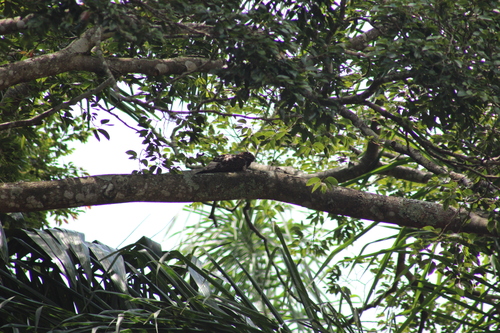 Kortstaartnachtzwaluw
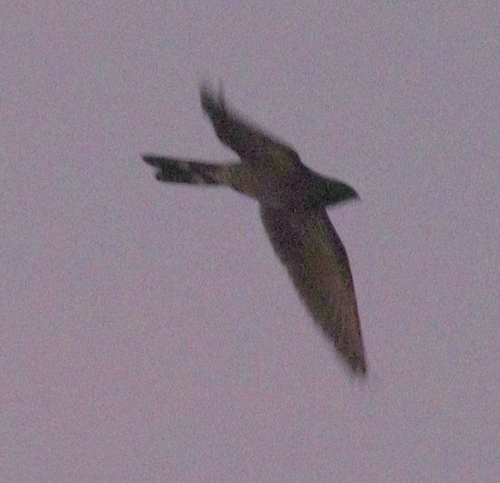 Staartbandnachtzwaluw
Kort gezegd
Het meest betrouwbare veldkenmerk om de Kortstaartnachtzwaluw van de Staartbandnachtzwaluw te scheiden, is de aanwezigheid van een gedurfde witte band over de middenstaart bij de Staartband, zichtbaar in de vlucht en wanneer hij zit, wat de Kortstaartnachtzwaluw volledig mist. Beide soorten zijn kortstaartig, donkergevederd en hebben geen wit in de vleugels, maar de Kortstaart is groter en robuuster, met een kortere staart en meer opvallende onderdelen. De Staartbandnachtzwaluw is kleiner, slanker en vertoont een iets gevorkte staart met een opvallende witte band; zijn verenkleed is eenvoudiger en lichter bij jonge vogels. Structurele verschillen en voorkeuren voor habitat helpen ook: de Staartband wordt vaak gezien die laag over water jaagt bij schemering, terwijl de Kortstaart de voorkeur geeft aan beboste habitats en minder aan water gebonden is. Vocalisaties verschillen, maar beide zijn subtiel en zelden diagnostisch in het veld.
Herkenningstips
- Witte staartband (alle leeftijden): De Staartbandnachtzwaluw toont altijd een gedurfde witte band over de middenstaart, zichtbaar in de vlucht en vaak wanneer hij zit. De Kortstaartnachtzwaluw toont nooit een witte band op de middenstaart - kijk hier eerst naar in elke weergave.
- Staartvorm en -lengte: Beide hebben korte staarten, maar de staart van de Kortstaartnachtzwaluw is bijzonder kort en vierkant, terwijl die van de Staartband kort maar iets gevorkt is. In de vlucht kan de staart van de Staartband puntiger of gevorkter lijken, vooral wanneer deze is uitgespreid.
- Staartpatroon: De staart van de Kortstaartnachtzwaluw is bruin met tawny/grijze strepen en een smalle buffy of witte band aan de punt (niet op de middenstaart). De staart van de Staartband is donker met een duidelijke witte band over het midden - nooit aan de punt.
- Vleugelmarkeringen: Beide soorten missen gedurfde witte vlekken in de vleugels, in tegenstelling tot veel andere nachtzwaluwen. Vertrouw niet alleen op het vleugelpatroon om deze twee te scheiden.
- Markeringen op de boven- en onderzijde: De Kortstaartnachtzwaluw is boven en onder meer opvallend gemarkeerd, met roestkleurige en buff vlekken en strepen. De Staartband is eenvoudiger en lichter in het algemeen, vooral bij jonge vogels, maar beide zijn cryptisch bruin.
- Keelvlekken: De Staartbandnachtzwaluw heeft witte vlekken aan de zijkanten van de keel, die goed zichtbaar zijn in goede weergaven. De Kortstaart heeft een witte keel, maar niet zo duidelijk vlekkerig aan de zijkanten.
- Grootte en bulk: De Kortstaartnachtzwaluw is merkbaar groter en zwaarder. Als ze naast elkaar worden gezien of met een goed gevoel voor schaal, kan dit helpen, maar wees voorzichtig met overlap met andere nachtzwaluwen.
- Snavel en borstelharen: De Staartband heeft een zeer brede maar korte snavel, zonder de verlengde rictale borstelharen die typisch zijn voor veel nachtzwaluwen. Dit is subtiel en zelden zichtbaar in het veld.
- Vluchtstijl: De Staartbandnachtzwaluw vliegt snel en laag over water met ondiepe vleugelslagen en glijdt. De Kortstaart is waarschijnlijker te zien die boven of langs bosranden en open plekken jaagt, niet over open water.
- Rustgedrag: De Staartband rust vaak op dunne takken nabij water, soms in kleine groepen. De Kortstaart is meer solitair en geassocieerd met bossen.
- Habitatvoorkeur: Als de vogel regelmatig over rivieren of meren bij schemering wordt gezien, is de Staartband veel waarschijnlijker. In diep bos of ver van water, heeft de Kortstaart de voorkeur.
- Vocalisaties: Als gehoord, geeft de Kortstaart een scherpe, gespreide "ewIT" of "gweek"; de Staartband geeft een lage, kikkerachtige, continue roep. Gebruik met voorzichtigheid, aangezien beide subtiel zijn.
- Geslacht en leeftijd: Beide soorten vertonen zwakke seksuele dimorfie, en jonge Staartband zijn slechts iets lichter en eenvoudiger dan volwassenen. De witte staartband is aanwezig in alle leeftijden van de Staartband.
- Valstrikken: Verwar de smalle buffy of witte terminal band van de staart van de Kortstaart niet met de gedurfde middenstaartband van de Staartband. In slecht licht is de witte staartband van de Staartband vaak het enige betrouwbare kenmerk.
- Bij twijfel: Focus op het staartpatroon en de context van het habitat - dit zijn de meest consistent diagnostische kenmerken voor veldscheiding.
Grootte
De Kortstaartnachtzwaluw is duidelijk groter, met een lengte van 19–21 cm en een gewicht van 79–89 g [wikipedia]. De Staartbandnachtzwaluw is kleiner met 16,5–19 cm en weegt 23–28 g [wikipedia]. Het grootteverschil is merkbaar in directe vergelijking, waarbij de Kortstaart robuuster en zwaarder lijkt, terwijl de Staartband slanker en lichter is. Beide hebben korte staarten, maar de staart van de Kortstaart is proportioneel nog korter en vierkanter. Gegevens over de spanwijdte zijn alleen beschikbaar voor de Staartband (12,9–14,1 cm), maar beide soorten hebben lange, puntige vleugels in verhouding tot hun grootte.
Verenkleed
- Jong/immatuur verenkleed: De jonge Staartbandnachtzwaluw is iets eenvoudiger en lichter dan volwassenen, maar toont nog steeds de diagnostische witte staartband, die vanaf jonge leeftijd aanwezig is [wikipedia]. De jonge Kortstaartnachtzwaluw wordt niet in detail beschreven, maar er wordt geen melding gemaakt van een witte staartband of een vergelijkbaar kenmerk.
- Volwassen verenkleed: De Kortstaartnachtzwaluw is donkerbruin tot zwartachtig boven, met roestkleurige en buff vlekken en spikkels, en een bruine staart met tawny/grijze strepen en een smalle buffy of witte terminal band (geen middenstaartband). De onderzijde is zwaar gemarkeerd met bruin, buff en tawny. De vleugels zijn donker met gedempte vlekken, zonder gedurfde witte markeringen [wikipedia]. De Staartbandnachtzwaluw is cryptisch bruin met lange, puntige vleugels en een korte, iets gevorkte staart. Het belangrijkste kenmerk is de witte band over de middenstaart (op de drie buitenste staartveren), en witte vlekken aan de zijkanten van de keel. De vleugels hebben geen witte markeringen. Beide seksen zijn vergelijkbaar in beide soorten, en seksuele dimorfie is zwak.
Gedrag
De Staartbandnachtzwaluw wordt vaak gezien die laag en snel over rivieren, meren en andere waterlichamen vliegt bij schemering, voeden in continue vlucht met snelle, ondiepe vleugelslagen en glijvluchten [wikipedia]. Hij rust vaak op dunne horizontale takken nabij water, soms in kleine groepen. De Kortstaartnachtzwaluw jaagt ook voornamelijk bij schemering, maar wordt vaker geassocieerd met laagland altijdgroene bossen, bosranden en open plekken in plaats van open water. Zijn vlucht is minder gebonden aan waterlopen en meer aan beboste habitats. Beide soorten zijn luchtinsecteneters, maar hun voorkeur voor jachtcontexten verschilt.
Habitat
De Kortstaartnachtzwaluw komt voor in een breed scala in Midden- en Zuid-Amerika, voornamelijk in laagland altijdgroene bossen, bosranden, open plekken en af en toe secundaire bossen of plantages [wikipedia]. Hij wordt minder vaak gevonden nabij open water. De Staartbandnachtzwaluw daarentegen is sterk geassocieerd met habitats nabij water - rivieren, beken, moerassen, meren en aangrenzende laaglandbossen of savannes, altijd op lage hoogtes onder de 200–300 m [wikipedia]. Als je een nachtzwaluw regelmatig laag over water bij schemering ziet vliegen, is de Staartband veel waarschijnlijker.
Geluid
De Kortstaartnachtzwaluw geeft een "constant herhaalde maar goed gespreide ewIT ... ewIT ... ewIT ..." of een scherpe, iets vloeibare "g'wik" of "gweek" roep, zowel in de vlucht als wanneer hij zit [wikipedia]. De roep van de Staartbandnachtzwaluw is een laag-volume, kikkerachtige "gole-kwoik-kwak" die constant herhaald wordt [wikipedia]. Beide zijn subtiel en kunnen moeilijk te onderscheiden zijn in het veld, maar de roep van de Kortstaart is scherper en meer gespreid, terwijl die van de Staartband lager en continue is. Vocalisaties zijn meestal niet het meest betrouwbare veldkenmerk, tenzij goed gehoord.
Kortstaartnachtzwaluw · Staartbandnachtzwaluw · Mijn lastige vogels