

Samoawaaierstaart vs Maoriwaaierstaart
Rhipidura nebulosa versus Rhipidura fuliginosa
Speel een quiz met Samoawaaierstaart en Maoriwaaierstaart
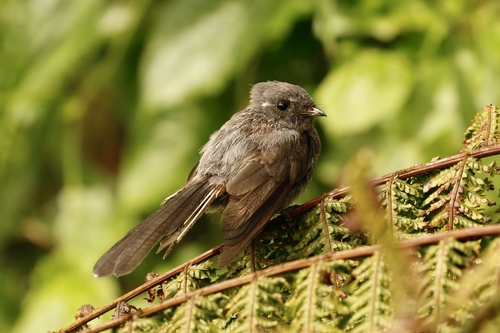 Samoawaaierstaart
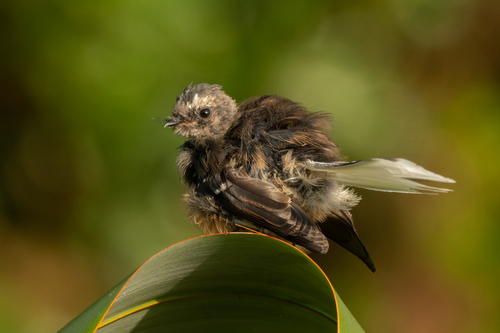 Maoriwaaierstaart
Kort gezegd
De meest betrouwbare manier om de Samoawaaierstaart van de Maoriwaaierstaart te scheiden, is door te focussen op de onderdelen en het staartpatroon: de Samoawaaierstaart heeft een overwegend donker grijsbruin verenkleed met een witte onderstaart en een zwarte staart, terwijl de Maoriwaaierstaart gele of oranje onderdelen vertoont, een donkere borstband en witomrande of volledig witte buitenste staartveren (behalve in de zeldzame zwarte morf). Beide soorten waaieren hun staarten, maar het staartpatroon van de Maoriwaaierstaart is contrasterender, vooral in de vlucht. Juvenielen van beide zijn bruiner, maar de juvenile Maoriwaaierstaart vertoont nog steeds enkele bleke staartranden. Beide soorten hebben een witte vlek achter het oog, maar alleen de Maoriwaaierstaart heeft een duidelijke donkere borstband en een blekere buik. Habitat en verspreiding zijn ook sterke aanwijzingen: de Samoawaaierstaart is strikt Samoaanse, terwijl de Maoriwaaierstaart alleen in Nieuw-Zeeland voorkomt. De grootte is vergelijkbaar, maar niet een nuttige veldkenmerk.
Herkenningstips
- Staartpatroon in vlucht of wanneer gewaaierd (alle leeftijden): Maoriwaaierstaart toont altijd witte randen of witte buitenste staartveren die contrasteren met donkere centrale veren; de staart van de Samoawaaierstaart is zwart met een witte onderstaart, zonder de gedurfde witte buitenste staartveren.
- Kleur van de onderdelen (volwassenen): Maoriwaaierstaart heeft gele of oranje onderdelen met een sterke donkere borstband; de Samoawaaierstaart is donker grijsbruin onder, zonder enige oranje of gele waas en zonder borstband.
- Keel en borst: Maoriwaaierstaart heeft een witte keel die scherp afsteekt tegen een donkere borstband; de Samoawaaierstaart heeft een bleke (witte of rokerige) keel maar geen borstband.
- Witte vlek achter het oog: Beide soorten hebben dit, dus het is op zichzelf niet diagnostisch.
- Juveniele verenkleed: Juveniele Maoriwaaierstaart is bruiner maar toont nog steeds bleke of witte in de buitenste staart; juvenile Samoawaaierstaart is over het algemeen bruiner maar mist witte staartranden.
- Zwarte morf (Maoriwaaierstaart): Zeldzaam en alleen in delen van Nieuw-Zeeland; volledig donker behalve de witte vlek achter het oog, kan verward worden met de Samoawaaierstaart maar is extreem zeldzaam en lokaal.
- Staartvorm en gedrag: Beide soorten waaieren hun staarten, maar het staartpatroon van de Maoriwaaierstaart is opvallender wanneer het is uitgespreid.
- Habitat en verspreiding: Samoawaaierstaart is alleen in Samoa (Upolu en Savaiʻi); Maoriwaaierstaart is alleen in Nieuw-Zeeland. Als je buiten deze eilanden bent, zie je de andere soort niet.
- Grootte: Geen nuttige scheiding; beide zijn kleine waaierstaarten met vergelijkbare verhoudingen.
- Snavel en structuur: Geen diagnostische verschillen opgemerkt in de beschikbare bronnen.
- Stem: Maoriwaaierstaart geeft een metalen 'cheek' of kletsend geluid; Samoawaaierstaart geeft een lage piep en kan andere vogels imiteren. Gebruik met voorzichtigheid tenzij je bekend bent met lokale geluiden.
- Gedrag: Beide zijn rusteloos en actief, maar de Maoriwaaierstaart is vooral vertrouwelijk rond mensen.
- Context: Als je ze in tuinen of stedelijke parken in Nieuw-Zeeland ziet, is het de Maoriwaaierstaart; in Samoa, vooral in regenwoud of plantages, is het de Samoawaaierstaart.
- Geslacht en seizoen: Geen significante seksuele dimorfisme of seizoensgebonden verenkleedverschillen opgemerkt voor beide soorten.
- Veelvoorkomende valkuilen: Vertrouw niet alleen op de witte vlek achter het oog; focus op het staartpatroon en de kleur van de onderdelen, vooral bij goed licht of wanneer de staart is gewaaierd.
Grootte
Beide soorten zijn kleine waaierstaarten met lange, gewaaierde staarten. De Maoriwaaierstaart heeft een gedocumenteerd gemiddeld gewicht van 7,2 g [wikidata], terwijl het gewicht van de Samoawaaierstaart niet is gespecificeerd, maar ze behoren tot hetzelfde geslacht en lijken qua grootte vergelijkbaar. In het veld is grootte alleen geen betrouwbare scheiding.
Verenkleed
Juveniele en onvolwassen vogels van beide soorten zijn bruiner dan volwassenen, maar de juvenile Maoriwaaierstaart toont nog steeds bleke randen of wit in de buitenste staartveren, wat afwezig is bij de Samoawaaierstaart. Volwassen Samoawaaierstaart is voornamelijk donker grijsbruin boven en onder, met een witte onderstaart, zwarte staart en een bleke (witte of rokerige) keel. Het heeft een witte vlek achter het oog. Volwassen Maoriwaaierstaart is midden tot donker grijs of grijsbruin boven, maar duidelijk geelachtig of oranje onder, met een witte keel, een sterke donkere band over de borst en witte markeringen boven het oog. De staart is opvallend gepattern: buitenste staartveren zijn witomrand of volledig wit, contrasterend met donkere centrale veren, vooral wanneer gewaaierd. De zeldzame zwarte morf van de Maoriwaaierstaart is volledig donker behalve de witte vlek achter het oog, wat verwarring met de Samoawaaierstaart kan veroorzaken, maar is extreem zeldzaam en geografisch beperkt. Beide soorten waaieren hun staarten, maar het staartpatroon van de Maoriwaaierstaart is contrasterender en duidelijker in de vlucht of wanneer ze zitten met de staart uitgespreid.
Gedrag
Beide soorten zijn zeer actief, fladderend van tak naar tak en vaak hun staarten waaiend. De Maoriwaaierstaart staat bekend om zijn vertrouwelijkheid, vaak benadert hij mensen in tuinen en bossen, en is bijna nooit stil. De Samoawaaierstaart is ook actief en aanpasbaar, maar er is geen specifieke vermelding dat hij mensen zo dichtbij benadert. Beide soorten vangen insecten in de vlucht en vertonen typische waaierstaart rusteloosheid.
Habitat
De Samoawaaierstaart is endemisch voor Samoa, alleen te vinden op de eilanden Upolu en Savaiʻi, en geeft de voorkeur aan primaire en secundaire regenwouden, maar komt ook voor in plantages en tuinen. De Maoriwaaierstaart is de enige waaierstaart in Nieuw-Zeeland, te vinden in een breed scala aan habitats, waaronder bossen, tuinen en stedelijke parken. Verspreiding is een sterke scheiding: als je niet op Samoa bent, zie je de Samoawaaierstaart niet; als je niet in Nieuw-Zeeland bent, zie je de Maoriwaaierstaart niet.
Geluid
De Samoawaaierstaart geeft een lage piep en wordt soms opgemerkt dat hij andere vogelsoorten imiteert. De Maoriwaaierstaart heeft een bijna metalen 'cheek' roep, vaak herhaald in een kletserige serie. Vocalisaties zijn niet de meest betrouwbare scheiding, tenzij je bekend bent met de lokale geluiden, maar de roep van de Maoriwaaierstaart is meer metalen en kletserig.