

Samoan Fantail vs New Zealand Fantail
Rhipidura nebulosa contro Rhipidura fuliginosa
Fai un quiz con Samoan Fantail e New Zealand Fantail
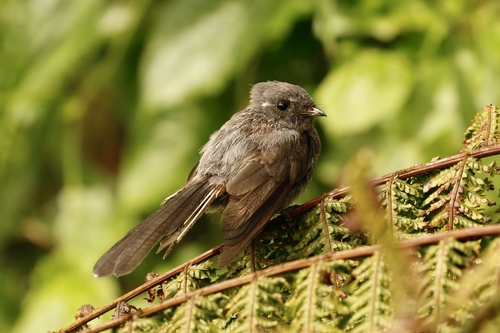 Samoan Fantail
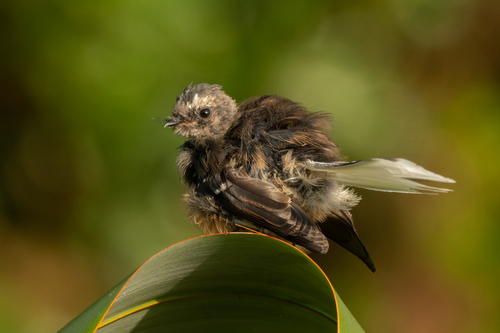 New Zealand Fantail
In breve
Il modo più affidabile per separare il Samoan Fantail dal New Zealand Fantail è concentrarsi sulle parti inferiori e sul modello della coda: il Samoan Fantail ha un piumaggio per lo più grigio-marrone scuro con una coda bianca e una coda nera, mentre il New Zealand Fantail mostra parti inferiori giallastre o arancioni, una banda toracica scura e piume della coda esterne bianche o bordate di bianco (eccetto nella rara forma nera). Entrambe le specie fan le loro code, ma il modello della coda del New Zealand Fantail è più contrastante, specialmente in volo. I giovani di entrambe le specie sono più marroni, ma il giovane New Zealand Fantail mostra ancora alcuni bordi della coda chiari. Entrambe le specie hanno una macchia bianca dietro l'occhio, ma solo il New Zealand Fantail ha una chiara banda toracica scura e un ventre più chiaro. L'habitat e l'areale sono anche indizi forti: il Samoan Fantail è strettamente samoano, mentre il New Zealand Fantail si trova solo in Nuova Zelanda. La dimensione è simile, ma non è un segno utile.
Consigli di identificazione
- Modello della coda in volo o quando è aperta (tutte le età): Il New Zealand Fantail mostra sempre bordi bianchi o piume esterne della coda bianche in contrasto con le piume centrali scure; la coda del Samoan Fantail è nera con una coda bianca, priva delle audaci piume esterne bianche.
- Colore delle parti inferiori (adulti): Il New Zealand Fantail ha parti inferiori giallastre o arancioni con una forte banda toracica scura; il Samoan Fantail è grigio-marrone scuro sotto, privo di qualsiasi lavaggio arancione o giallo e senza una banda toracica.
- Gola e petto: Il New Zealand Fantail ha una gola bianca nettamente separata da una banda toracica scura; il Samoan Fantail ha una gola chiara (bianca o fumosa) ma senza banda toracica.
- Macchia bianca dietro l'occhio: Entrambe le specie hanno questa, quindi non è diagnostica da sola.
- Piumaggio giovanile: Il giovane New Zealand Fantail è più marrone ma mostra ancora bordi chiari o bianchi nella coda esterna; il giovane Samoan Fantail è complessivamente più marrone ma privo di bordi bianchi nella coda.
- Forma nera (New Zealand Fantail): Rara e presente solo in alcune parti della Nuova Zelanda; completamente scura tranne per la macchia bianca dietro l'occhio, può essere confusa con il Samoan Fantail ma è estremamente rara e localizzata.
- Forma e comportamento della coda: Entrambe le specie fan le loro code, ma il modello della coda del New Zealand Fantail è più sorprendente quando è aperto.
- Habitat e areale: Il Samoan Fantail si trova solo in Samoa (Upolu e Savaiʻi); il New Zealand Fantail si trova solo in Nuova Zelanda. Se ti trovi al di fuori di queste isole, non stai vedendo l'altra specie.
- Dimensione: Non è un separatore utile; entrambe sono piccoli fantail con proporzioni simili.
- Becco e struttura: Non sono state notate differenze diagnostiche nelle fonti disponibili.
- Voce: Il New Zealand Fantail emette un richiamo metallico 'cheek' o chiacchierino; il Samoan Fantail emette un cinguettio basso e può imitare altri uccelli. Usare con cautela a meno che non si sia familiari con i richiami locali.
- Comportamento: Entrambi sono irrequieti e attivi, ma il New Zealand Fantail è particolarmente confidente intorno alle persone.
- Contesto: Se visti in giardini o parchi urbani in Nuova Zelanda, è il New Zealand Fantail; in Samoa, specialmente nella foresta pluviale o nelle piantagioni, è il Samoan Fantail.
- Sesso e stagione: Non sono state notate differenze significative di dimorfismo sessuale o di piumaggio stagionale per nessuna delle due specie.
- Trappole comuni: Non fare affidamento sulla macchia bianca dietro l'occhio da sola; concentrati sul modello della coda e sul colore delle parti inferiori, specialmente in buona luce o quando la coda è aperta.
Taglia
Entrambe le specie sono piccoli fantail con lunghe code aperte. Il New Zealand Fantail ha una massa media documentata di 7,2 g [wikidata], mentre la massa del Samoan Fantail non è specificata, ma sono nella stessa famiglia e appaiono simili in dimensione. Sul campo, la dimensione da sola non è un separatore affidabile.
Piumaggio
Gli uccelli giovani e immaturi di entrambe le specie sono più marroni degli adulti, ma il giovane New Zealand Fantail mostra ancora bordi chiari o bianchi nelle piume della coda esterna, che sono assenti nel Samoan Fantail. L'adulto Samoan Fantail è per lo più grigio-marrone scuro sopra e sotto, con una coda bianca, una coda nera e una gola chiara (bianca o fumosa). Ha una macchia bianca dietro l'occhio. Gli adulti del New Zealand Fantail sono grigio medio-scuro o grigio-marrone sopra, ma distintamente giallastri o arancioni sotto, con una gola bianca, una forte banda scura attraverso il petto e marcature bianche sopra l'occhio. La coda è sorprendentemente modellata: le piume esterne della coda sono bordate di bianco o completamente bianche, in contrasto con le piume centrali scure, specialmente quando sono aperte. La rara forma nera del New Zealand Fantail è completamente scura tranne per la macchia bianca dietro l'occhio, potenzialmente confondibile con il Samoan Fantail, ma è estremamente rara e geograficamente limitata. Entrambe le specie fan le loro code, ma il modello della coda del New Zealand Fantail è più contrastante e ovvio in volo o quando è posato con la coda aperta.
Comportamento
Entrambe le specie sono altamente attive, passando da un posatoio all'altro e fan frequentemente le loro code. Il New Zealand Fantail è noto per essere particolarmente confidente, spesso avvicinandosi alle persone in giardini e foreste, ed è quasi mai fermo. Anche il Samoan Fantail è attivo e adattabile, ma non c'è menzione specifica di avvicinarsi agli esseri umani così da vicino. Entrambe le specie catturano insetti in volo e mostrano l'irrequietezza tipica dei fantail.
Habitat
Il Samoan Fantail è endemico di Samoa, trovato solo sulle isole Upolu e Savaiʻi, e preferisce la foresta pluviale primaria e secondaria ma si trova anche in piantagioni e giardini. Il New Zealand Fantail è l'unico fantail in Nuova Zelanda, trovato in una vasta gamma di habitat tra cui foreste, giardini e parchi urbani. L'areale è un forte separatore: se non sei a Samoa, non stai vedendo il Samoan Fantail; se non sei in Nuova Zelanda, non stai vedendo il New Zealand Fantail.
Voce
Il Samoan Fantail emette un cinguettio basso ed è a volte notato imitare altre specie di uccelli. Il New Zealand Fantail ha un richiamo 'cheek' quasi metallico, spesso ripetuto in una serie di chiacchierini. Le vocalizzazioni non sono il separatore più affidabile a meno che tu non sia familiare con i richiami locali, ma il richiamo del New Zealand Fantail è più metallico e chiacchierino.
Samoan Fantail · New Zealand Fantail · I miei uccelli difficili