

Boskoekoek vs Grijze nachtzwaluw
Cuculus optatus versus Caprimulgus jotaka
Speel een quiz met Boskoekoek en Grijze nachtzwaluw
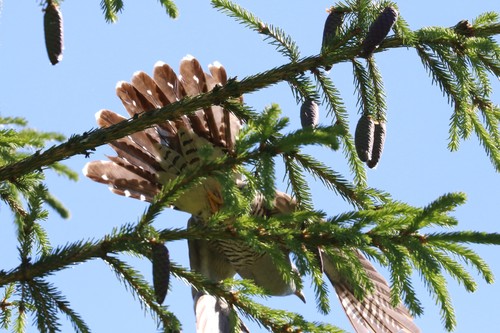 Boskoekoek
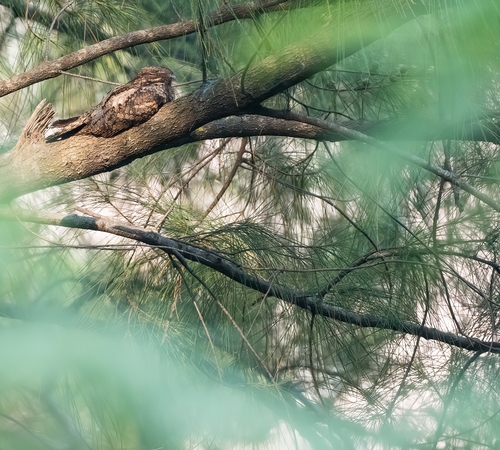 Grijze nachtzwaluw
Kort gezegd
Het meest betrouwbare veldkenmerk om de Boskoekoek van de Grijze nachtzwaluw te scheiden, is de algehele structuur en houding: de koekoek is een slanke, langvleugelige, havachtige vogel met een duidelijk streeppatroon op de onderzijde, terwijl de nachtzwaluw een breedhoofdige, kortbenige, cryptisch gepatterneerde vogel is met een kenmerkende witte keelvlek en ingewikkeld gevlekt verenkleed. In de vlucht toont de Boskoekoek een constante, directe vlucht met spitse vleugels, terwijl de Grijze nachtzwaluw een slappe, drijvende vlucht heeft met ronde vleugels en witte vlekken op de primaire vleugels en staart (bij mannetjes). Juveniele en vrouwelijke nachtzwaluwen missen de prominente witte vlekken, maar tonen nog steeds een meer gevlekte, gecamoufleerde uitstraling dan welke koekoek dan ook. Wanneer ze zitten, zijn de parallelle uitlijning van de nachtzwaluw met de tak en de cryptische kleurstelling kenmerkend. Vocalisaties en de context van het habitat kunnen ook helpen, maar structuur en verenkleed zijn meestal doorslaggevend.
Herkenningstips
- Hoofd- en snavelvorm: Boskoekoek heeft een klein hoofd, slanke snavel en een havachtige profiel; Grijze nachtzwaluw heeft een groot, breed hoofd, kleine snavel en grote ogen—vooral duidelijk in profiel of van dichtbij.
- Zittende houding: Koekoek zit rechtop of iets gekanteld, vaak blootgesteld op takken; nachtzwaluw zit lengtegericht langs een tak, omarmt deze nauw voor camouflage, meestal bijna onzichtbaar tenzij opgejaagd.
- Vluchtstijl: Koekoek vliegt met directe, constante vleugelslagen en spitse vleugels; nachtzwaluw heeft een langzame, slappe, drijvende vlucht met ronde vleugels, vaak glijdend of met onregelmatige bochten.
- Vleugelpatroon in de vlucht: Mannetjes nachtzwaluwen hebben prominente witte vlekken op de primaire vleugels en staart; vrouwtjes en juvenielen missen deze maar tonen nog steeds gevlekte, gevlekte bovenvleugels. Koekoek toont nooit witte vlekken op de vleugels of staart, en de bovenvleugel is effen grijs.
- Onderzijde: Koekoek toont crèmekleurige onderzijde met sterke, regelmatige donkere strepen; nachtzwaluw heeft bleek bruinachtig-geel onderzijde met dichte, onregelmatige donkere horizontale strepen, nooit gestreept zoals de koekoek.
- Keelvlek: Nachtzwaluw heeft een opvallende witte keelvlek (kleiner en bruiner bij vrouwtjes); koekoek mist enige witte keelvlek, en toont in plaats daarvan een effen grijze of bruinachtige borst.
- Bovenzijde: Koekoek is effen grijs (man/grijze morf) of roestkleurig met donkere banden (roestkleurige morf); nachtzwaluw is ingewikkeld gepatterneerd met gevlekte, strepen en banden voor camouflage.
- Romp en staart: Roestkleurige morf koekoek heeft sterke donkere banden op de romp; de staart van de nachtzwaluw is gestreept met zwart en bruin, met witte subterminal vlekken bij mannetjes.
- Oogkleur en blote delen: Koekoek heeft een gele oogring en oranje-gele poten en voeten; de blote delen van de nachtzwaluw zijn minder opvallend, met grote donkere ogen.
- Activiteitsperiode: Koekoek is dagactief, actief overdag; nachtzwaluw is nachtactief, het meest actief bij schemering en 's nachts.
- Habitatcontext: Koekoek is strikter bosbewonend; nachtzwaluw is vaak in open bossen, bosranden of grashellingen, vooral bij schemering of 's nachts.
- Vocalisatie: Koekoek geeft lage, paargewijze 'poo-poo' noten overdag; nachtzwaluw (hier niet beschreven) geeft typisch churrende of repetitieve roepen 's nachts.
- Geslacht- en leeftijdsverschillen: Vrouwelijke en juveniele nachtzwaluwen missen de witte vleugel- en staartvlekken maar behouden het cryptische, gevlekte patroon; roestkleurige morf koekoeken kunnen in slecht licht met nachtzwaluwen worden verward, maar missen altijd de ingewikkelde gevlekte patronen en hebben een uniformere, gestreepte uitstraling.
- Verwarringsrisico: In slecht licht of bij schemering kan een opgejaagde nachtzwaluw voor een koekoek worden aangezien, maar let op de onregelmatige, drijvende vlucht en cryptische verenkleed. Een zittende koekoek is nooit zo goed gecamoufleerd of uitgelijnd met de tak als een nachtzwaluw.
- Bij twijfel: Focus op de hoofdvorm, keelvlek en onderzijdepatroon—deze zijn betrouwbaar, zelfs in korte of verre uitzichten.
Grootte
Boskoekoek is iets groter en zwaarder (lichaamsgewicht ~94,5g [wikidata]), met een lengte van 30–32 cm en een spanwijdte van 51–57 cm [wikipedia]. Grijze nachtzwaluw is een middelgrote nachtzwaluw, maar hier wordt geen precieze massa gegeven; structureel is hij kortbeniger en brederhoofdiger, met een proportioneel langere staart en kortere vleugels in vergelijking met de koekoek. De koekoek lijkt slanker en valkachtig, terwijl de nachtzwaluw robuuster en compacter is.
Verenkleed
-
Juveniele/immature vlucht: Er is geen specifiek leeftijdsgerelateerd bovenvleugelpatroon beschreven voor Boskoekoek, maar alle leeftijden tonen grijze bovenkanten en duidelijke, donkere strepen op de crèmekleurige onderzijde. Juveniele Grijze nachtzwaluw lijkt op volwassenen maar mist de witte vlekken op de vleugels en staart (vrouwtjes en immaturen), en is over het algemeen meer gevlekt en gevlekt boven, met een kleinere of bruiner keelvlek.
-
Volwassen verenkleed: Mannetjes Boskoekoek zijn grijs boven met een crèmekleurige, sterk gestreepte buik en een buff, licht gemarkeerde vent. Vrouwtjes en juvenielen kunnen grijze of roestkleurige morfen zijn; roestkleurige morfen zijn roodachtig boven met sterke donkere banden, inclusief op de romp (in tegenstelling tot Koekoek). Volwassen Grijze nachtzwaluw zijn ingewikkeld gepatterneerd met grijs-witte, bruine en zwarte gevlekte bovenkanten, een prominente witte keelvlek (kleiner en bruiner bij vrouwtjes), en prominente witte vlekken op de vleugels en staart bij mannetjes. Onderzijde is bleek bruinachtig-geel met dichte donkere bruine horizontale strepen, nooit gestreept zoals de koekoek. Het cryptische patroon van de nachtzwaluw is ontworpen voor camouflage, terwijl het patroon van de koekoek scherper gedefinieerd en minder gevlekt is.
Gedrag
Boskoekoek is geheimzinnig en zoekt vaak voedsel in bomen, struiken of op de grond, meestal alleen en moeilijk te zien. Zijn vlucht is direct en doelgericht, met sterke, constante vleugelslagen. Grijze nachtzwaluw is nachtactief, zoekt 's nachts naar insecten in de vlucht bij schemering en rust overdag op takken of de grond, waarbij hij zijn lichaam parallel aan de tak uitlijnt voor camouflage. Zijn vlucht is drijvend, met langzame, slappe vleugelslagen, glijdend en onregelmatige bochten bij het achtervolgen van insecten. De nachtzwaluw is veel waarschijnlijker 's nachts te zien, terwijl de koekoek overdag actief is.
Habitat
Boskoekoek geeft de voorkeur aan bossen—naald-, loof- of gemengd—over heel Noord-Eurazië en Oost-Azië, vaak later aankomend dan de Koekoek in broedgebieden. Grijze nachtzwaluw broedt in vergelijkbare gebieden, maar wordt vaker aangetroffen in open bossen, bosranden en soms grashellingen, vooral voor dagroest. Nachtzwaluw is waarschijnlijker in open of semi-open habitats, vooral bij schemering of 's nachts, terwijl de koekoek strikter bosbewonend en dagactief is.
Geluid
Mannetjes Boskoekoek geven een reeks lage, paargewijze 'poo-poo' noten, beide noten even sterk, soms voorafgegaan door een langere zin of schurende noten; vrouwtjes geven een diepe borrelende triller. De roep van de Grijze nachtzwaluw wordt hier niet beschreven, maar nachtzwaluwen hebben typisch churrende of repetitieve roepen bij schemering of 's nachts, heel anders dan het oehoen van de koekoek. Als je overdag een lage, zelfs twee-noten zin hoort, is het waarschijnlijk een koekoek; als je 's nachts churrende of repetitieve roepen hoort, is het waarschijnlijk een nachtzwaluw.