

Oriental Cuckoo vs Gray Nightjar
Cuculus optatus contro Caprimulgus jotaka
Fai un quiz con Oriental Cuckoo e Gray Nightjar
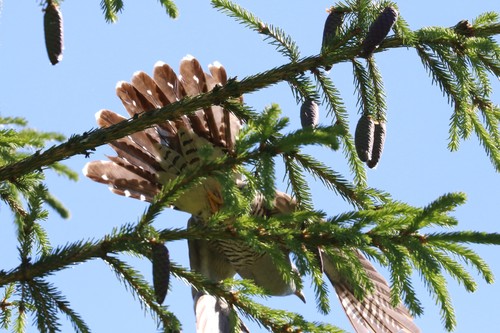 Oriental Cuckoo
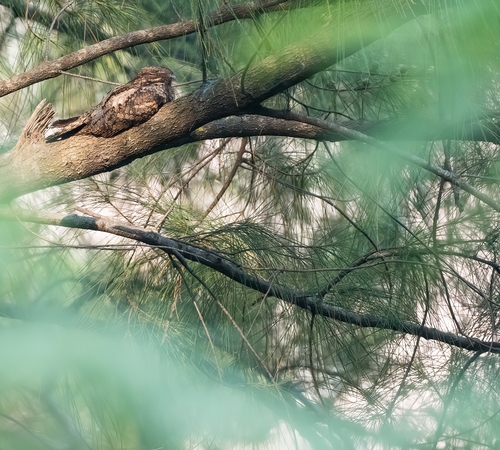 Gray Nightjar
In breve
Il segno di campo più affidabile per separare l'Oriental Cuckoo dal Gray Nightjar è la struttura e la postura complessive: il cuculo è un uccello snello, con ali lunghe e simile a un falco, con un chiaro schema di barre sulle parti inferiori, mentre il nightjar ha una testa larga, gambe corte e un piumaggio criptico con una distintiva macchia bianca sulla gola e un piumaggio vermicolato intricato. In volo, l'Oriental Cuckoo mostra un volo diretto e costante con ali appuntite, mentre il Gray Nightjar ha un volo floscio e galleggiante con ali arrotondate e macchie bianche sulle primarie e sulla coda (nei maschi). I nightjar giovanili e femminili mancano delle prominenti macchie bianche ma mostrano comunque un aspetto più maculato e mimetico rispetto a qualsiasi cuculo. Se visto posato, l'allineamento parallelo del nightjar al ramo e la colorazione criptica sono distintivi. Le vocalizzazioni e il contesto dell'habitat possono anche aiutare, ma la struttura e il piumaggio sono di solito decisivi.
Consigli di identificazione
- Forma della testa e del becco: L'Oriental Cuckoo ha una testa piccola, un becco sottile e un profilo simile a un falco; il Gray Nightjar ha una testa grande e larga, un becco piccolo e occhi grandi—soprattutto evidenti di profilo o in viste ravvicinate.
- Postura posata: Il cuculo si posiziona eretto o leggermente inclinato, spesso esposto sui rami; il nightjar si posiziona lungo un ramo, abbracciandolo strettamente per mimetizzarsi, di solito quasi invisibile a meno che non venga disturbato.
- Stile di volo: Il cuculo vola con battiti d'ali diretti e costanti e ali appuntite; il nightjar ha un volo lento, floscio e galleggiante con ali arrotondate, spesso planando o facendo curve erratiche.
- Schema delle ali in volo: I nightjar maschi hanno prominenti macchie bianche sulle primarie e sulla coda; le femmine e i giovanili mancano di queste ma mostrano comunque ali superiori maculate e vermicolate. Il cuculo non mostra mai macchie bianche sulle ali o sulla coda, e l'ala superiore è di un grigio uniforme.
- Parti inferiori: Il cuculo mostra parti inferiori di un bianco cremoso con barre scure forti e regolari; il nightjar ha parti inferiori di un giallo-bruno pallido con strisce orizzontali scure dense e irregolari, mai barrate come il cuculo.
- Macchia sulla gola: Il nightjar ha una macchia bianca sulla gola ben visibile (più piccola e marrone nelle femmine); il cuculo non ha alcuna macchia bianca sulla gola, mostrando invece un petto grigio o marrone uniforme.
- Parti superiori: Il cuculo è di un grigio uniforme (morfologia maschile/grigia) o ruggine con bande scure (morfologia ruggine); il nightjar ha un piumaggio intricato con vermicolazioni, striature e barre per mimetizzarsi.
- Coda e coda: Il cuculo di morfologia ruggine ha forti bande scure sulla coda; la coda del nightjar è barrata di nero e marrone, con macchie bianche subterminali nei maschi.
- Colore degli occhi e parti nude: Il cuculo ha un anello oculare giallo e gambe e piedi giallo-arancio; le parti nude del nightjar sono meno evidenti, con grandi occhi scuri.
- Periodo di attività: Il cuculo è diurno, attivo durante il giorno; il nightjar è notturno, più attivo al crepuscolo e di notte.
- Contesto dell'habitat: Il cuculo è più strettamente legato agli habitat forestali; il nightjar si trova spesso in boschi aperti, ai margini delle foreste o su pendii erbosi, soprattutto al crepuscolo o di notte.
- Vocalizzazione: Il cuculo emette note basse e accoppiate 'poo-poo' durante il giorno; il nightjar (non descritto qui) emette tipicamente richiami a churring o ripetitivi di notte.
- Differenze di sesso e età: I nightjar femminili e giovanili mancano delle macchie bianche sulle ali e sulla coda ma mantengono il motivo criptico e maculato; i cuculi di morfologia ruggine possono essere confusi con i nightjar in condizioni di scarsa illuminazione, ma mancano sempre delle intricate vermicolazioni e hanno un aspetto più uniforme e a bande.
- Rischio di confusione: In condizioni di scarsa illuminazione o al crepuscolo, un nightjar disturbato può essere scambiato per un cuculo, ma nota il volo erratico e galleggiante e il piumaggio criptico. Un cuculo posato non è mai così ben mimetizzato o allineato al ramo come un nightjar.
- Quando hai dubbi: Concentrati sulla forma della testa, sulla macchia della gola e sul motivo delle parti inferiori—questi sono affidabili anche in viste brevi o distanti.
Taglia
L'Oriental Cuckoo è leggermente più grande e pesante (massa corporea ~94.5g [wikidata]), con una lunghezza di 30–32 cm e un'apertura alare di 51–57 cm [wikipedia]. Il Gray Nightjar è un nightjar di dimensioni medie, ma qui non è fornita alcuna massa precisa; strutturalmente, ha gambe più corte e una testa più larga, con una coda proporzionalmente più lunga e ali più corte rispetto al cuculo. Il cuculo appare più snello e simile a un falco, mentre il nightjar è più robusto e compatto.
Piumaggio
-
Volo giovanile/immaturo: Non è descritto alcun schema specifico delle ali superiori legato all'età per l'Oriental Cuckoo, ma tutte le età mostrano parti superiori grigie e barre scure chiare sulle parti inferiori cremose. Il Gray Nightjar giovanile assomiglia agli adulti ma manca delle macchie bianche sulle ali e sulla coda (femmine e immaturi), ed è complessivamente più maculato e vermicolato sopra, con una macchia sulla gola più piccola o marrone.
-
Piumaggio adulto: I maschi dell'Oriental Cuckoo sono grigi sopra con una pancia cremosa e fortemente barrata e un ventriglio color buff, leggermente marcato. Le femmine e i giovanili possono essere morfologie grigie o ruggine; le morfologie ruggine sono rossastre sopra con forti bande scure, comprese sulla coda (a differenza del Cuculo Comune). Gli adulti del Gray Nightjar sono intricatemente patternizzati con vermicolazioni grigio-bianco, marrone e nero sopra, una prominente macchia bianca sulla gola (più piccola e marrone nelle femmine), e prominenti macchie bianche sulle ali e sulla coda nei maschi. Le parti inferiori sono di un giallo-bruno pallido con dense strisce orizzontali scure, mai barrate come il cuculo. Il motivo criptico del nightjar è progettato per la mimetizzazione, mentre il motivo del cuculo è più nettamente definito e meno maculato.
Comportamento
L'Oriental Cuckoo è riservato e spesso cerca cibo tra gli alberi, i cespugli o a terra, di solito da solo e difficile da vedere. Il suo volo è diretto e deciso, con forti battiti d'ali costanti. Il Gray Nightjar è notturno, cerca insetti in volo al crepuscolo e di notte, e riposa durante il giorno su rami o a terra, allineando il suo corpo parallelamente al ramo per mimetizzarsi. Il suo volo è galleggiante, con battiti d'ali lenti e flosci, planando e facendo curve erratiche quando insegue insetti. Il nightjar è molto più probabile da vedere di notte, mentre il cuculo è attivo durante il giorno.
Habitat
L'Oriental Cuckoo preferisce le foreste—conifere, decidue o miste—attraverso l'Eurasia settentrionale e l'Asia orientale, spesso arrivando più tardi rispetto al Cuculo Comune nelle aree di nidificazione. Il Gray Nightjar nidifica in regioni simili ma si trova più spesso in boschi aperti, ai margini delle foreste e talvolta su pendii erbosi, soprattutto per il riposo diurno. Il nightjar è più probabile in habitat aperti o semi-aperti, soprattutto al crepuscolo o di notte, mentre il cuculo è più strettamente legato agli habitat forestali e diurno.
Voce
I maschi dell'Oriental Cuckoo emettono una serie di note basse e accoppiate 'poo-poo', entrambe le note ugualmente accentuate, a volte introdotte da una frase più lunga o note graffianti; le femmine emettono un profondo trill gorgogliante. Il richiamo del Gray Nightjar non è descritto qui, ma i nightjar tipicamente hanno richiami a churring o ripetitivi al crepuscolo o di notte, molto diversi dal hooting del cuculo. Se senti una frase bassa, anche di due note durante il giorno, è probabile che sia un cuculo; se senti churring o richiami ripetitivi di notte, è probabile che sia un nightjar.