

Cuco Oriental vs Chotacabras Jotaka
Cuculus optatus frente a Caprimulgus jotaka
Juega un quiz con Cuco Oriental y Chotacabras Jotaka
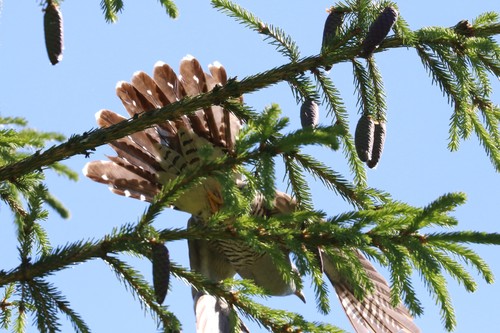 Cuco Oriental
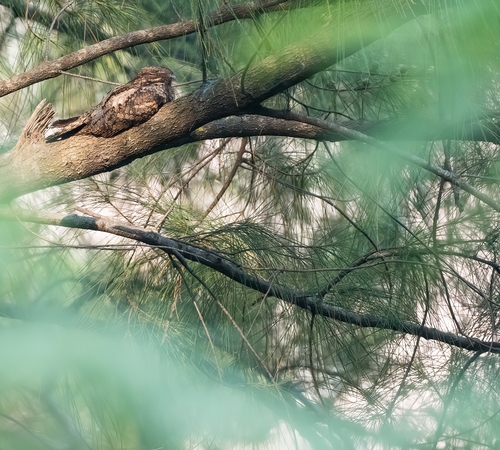 Chotacabras Jotaka
En breve
La marca de campo más confiable para separar el Cuco Oriental del Chotacabras Jotaka es la estructura y postura general: el cuco es un ave esbelta, de alas largas, similar a un halcón, con un patrón de rayas claro en las partes inferiores, mientras que el chotacabras es un ave de cabeza ancha, patas cortas y patrón críptico, con una distintiva mancha blanca en la garganta y un plumaje intrincado y vermiculado. En vuelo, el Cuco Oriental muestra un vuelo directo y constante con alas puntiagudas, mientras que el Chotacabras Jotaka tiene un vuelo flexible y boyante con alas redondeadas y manchas blancas en las primarias y la cola (en machos). Los chotacabras juveniles y hembras carecen de las prominentes manchas blancas, pero aún muestran una apariencia más moteada y camuflada que cualquier cuco. Si se ve posado, la alineación paralela del chotacabras con la rama y su coloración críptica son distintivos. Las vocalizaciones y el contexto del hábitat también pueden ayudar, pero la estructura y el plumaje suelen ser decisivos.
Consejos de identificación
- Forma de la cabeza y el pico: El Cuco Oriental tiene una cabeza pequeña, un pico delgado y un perfil similar a un halcón; el Chotacabras Jotaka tiene una cabeza grande y ancha, un pico pequeño y ojos grandes, especialmente obvios en perfil o vistas cercanas.
- Postura posada: El cuco se posa erguido o ligeramente inclinado, a menudo expuesto en las ramas; el chotacabras se posa a lo largo de una rama, abrazándola estrechamente para camuflaje, generalmente casi invisible a menos que se asuste.
- Estilo de vuelo: El cuco vuela con aleteos directos y constantes y alas puntiagudas; el chotacabras tiene un vuelo lento, flexible y boyante con alas redondeadas, a menudo planeando o haciendo giros erráticos.
- Patrón de alas en vuelo: Los machos de chotacabras tienen manchas blancas prominentes en las primarias y la cola; las hembras y los juveniles carecen de estas pero aún muestran alas superiores moteadas y vermiculadas. El cuco nunca muestra manchas blancas en las alas o la cola, y las alas superiores son de un gris uniforme.
- Partes inferiores: El cuco muestra partes inferiores de color blanco cremoso con rayas oscuras fuertes y regulares; el chotacabras tiene partes inferiores de color amarillo pálido con rayas horizontales oscuras densas e irregulares, nunca rayadas como el cuco.
- Mancha en la garganta: El chotacabras tiene una conspicua mancha blanca en la garganta (más pequeña y marrón en las hembras); el cuco carece de cualquier mancha blanca en la garganta, mostrando en su lugar un pecho gris o marrón uniforme.
- Partes superiores: El cuco es de un gris uniforme (macho/morfología gris) o rufo con bandas oscuras (morfología rufo); el chotacabras tiene un patrón intrincado con vermiculaciones, rayas y barras para camuflaje.
- Rabadilla y cola: El cuco de morfología rufo tiene bandas oscuras fuertes en la rabadilla; la cola del chotacabras está rayada de negro y marrón, con manchas subterminales blancas en los machos.
- Color de los ojos y partes desnudas: El cuco tiene un anillo ocular amarillo y patas y pies de color naranja-amarillo; las partes desnudas del chotacabras son menos conspicuas, con ojos grandes y oscuros.
- Período de actividad: El cuco es diurno, activo durante el día; el chotacabras es nocturno, más activo al atardecer y durante la noche.
- Contexto del hábitat: El cuco es más estrictamente forestal; el chotacabras se encuentra a menudo en bosques abiertos, bordes de bosques o laderas cubiertas de hierba, especialmente al atardecer o durante la noche.
- Vocalización: El cuco emite notas bajas y emparejadas de 'puu-puu' durante el día; el chotacabras (no descrito aquí) típicamente emite llamados de chirridos o repetitivos durante la noche.
- Diferencias de sexo y edad: Las hembras y los chotacabras juveniles carecen de las manchas blancas en las alas y la cola, pero mantienen el patrón críptico y moteado; los cucos de morfología rufo pueden confundirse con chotacabras en luz pobre, pero siempre carecen de las intrincadas vermiculaciones y tienen una apariencia más uniforme y estriada.
- Riesgo de confusión: En luz pobre o al atardecer, un chotacabras asustado puede ser confundido con un cuco, pero note el vuelo errático y boyante y el plumaje críptico. Un cuco posado nunca está tan bien camuflado o alineado con la rama como un chotacabras.
- Cuando haya dudas: Concéntrese en la forma de la cabeza, la mancha en la garganta y el patrón de las partes inferiores; estos son confiables incluso en vistas breves o distantes.
Tamaño
El Cuco Oriental es ligeramente más grande y pesado (masa corporal ~94.5g [wikidata]), con una longitud de 30–32 cm y una envergadura de 51–57 cm [wikipedia]. El Chotacabras Jotaka es un chotacabras de tamaño mediano, pero no se da aquí una masa precisa; estructuralmente, tiene patas más cortas y cabeza más ancha, con una cola proporcionalmente más larga y alas más cortas en comparación con el cuco. El cuco parece más esbelto y similar a un halcón, mientras que el chotacabras es más robusto y compacto.
Plumaje
-
Vuelo juvenil/inmaduro: No se describe un patrón específico de alas superiores relacionado con la edad para el Cuco Oriental, pero todas las edades muestran partes superiores grises y un claro patrón de rayas oscuras en las partes inferiores cremosas. El Chotacabras Jotaka juvenil se asemeja a los adultos pero carece de las manchas blancas en las alas y la cola (hembras e inmaduros), y es en general más moteado y vermiculado por encima, con una mancha en la garganta más pequeña o marrón.
-
Plumaje adulto: Los machos del Cuco Oriental son grises por encima con un vientre cremoso y fuertemente rayado y un ventrículo de color buff, ligeramente marcado. Las hembras y los juveniles pueden ser de morfología gris o rufo; los morfos rufos son rojizos por encima con bandas oscuras fuertes, incluyendo en la rabadilla (a diferencia del Cuco Común). Los adultos del Chotacabras Jotaka tienen un patrón intrincado con vermiculaciones grisáceas, marrones y negras por encima, una prominente mancha blanca en la garganta (más pequeña y marrón en las hembras) y manchas blancas prominentes en las alas y la cola en los machos. Las partes inferiores son de color amarillo pálido con rayas horizontales oscuras densas, nunca rayadas como el cuco. El patrón críptico del chotacabras está diseñado para el camuflaje, mientras que el patrón del cuco es más nítido y menos moteado.
Comportamiento
El Cuco Oriental es secreto y a menudo busca alimento en árboles, arbustos o en el suelo, generalmente solo y difícil de ver. Su vuelo es directo y con propósito, con aleteos fuertes y constantes. El Chotacabras Jotaka es nocturno, busca insectos en vuelo al atardecer y durante la noche, y descansa durante el día en ramas o en el suelo, alineando su cuerpo paralelamente a la rama para camuflaje. Su vuelo es boyante, con aleteos lentos y flexibles, planeando y haciendo giros erráticos al perseguir insectos. Es mucho más probable ver al chotacabras por la noche, mientras que el cuco es activo durante el día.
Hábitat
El Cuco Oriental prefiere bosques—coníferos, caducifolios o mixtos—en toda Eurasia del norte y Asia oriental, llegando a menudo más tarde que el Cuco Común a las áreas de cría. El Chotacabras Jotaka cría en regiones similares, pero se encuentra más a menudo en bosques abiertos, bordes de bosques y a veces en laderas cubiertas de hierba, especialmente para descansar durante el día. El chotacabras es más probable que se encuentre en hábitats abiertos o semiabiertos, especialmente al atardecer o durante la noche, mientras que el cuco es más estrictamente forestal y diurno.
Voz
Los machos del Cuco Oriental emiten una serie de notas bajas y emparejadas de 'puu-puu', ambas notas igualmente acentuadas, a veces introducidas por una frase más larga o notas chirriantes; las hembras emiten un trino profundo y burbujeante. El llamado del Chotacabras Jotaka no se describe aquí, pero los chotacabras típicamente tienen llamados de chirridos o repetitivos al atardecer o durante la noche, muy diferentes del ulular del cuco. Si escucha una frase baja y de dos notas durante el día, es probable que sea un cuco; si escucha chirridos o llamados repetitivos durante la noche, es probable que sea un chotacabras.