

Vlekwanglooftiran vs Bruinringlooftiran
Phylloscartes ventralis versus Phylloscartes sylviolus
Speel een quiz met Vlekwanglooftiran en Bruinringlooftiran
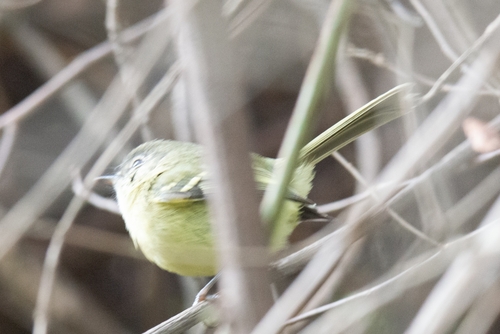 Vlekwanglooftiran
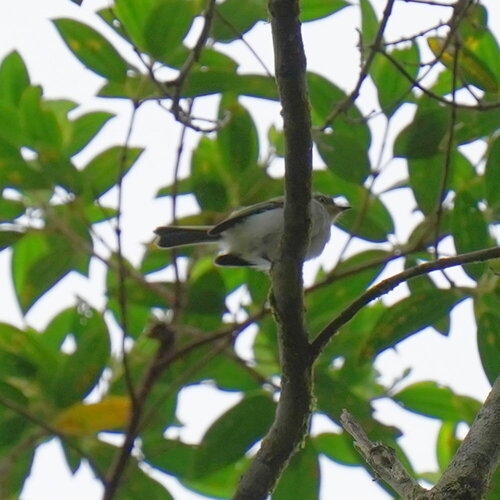 Bruinringlooftiran
Kort gezegd
Het meest betrouwbare veldkenmerk om Vlekwanglooftiran van Bruinringlooftiran te scheiden is het gezichts patroon: Vlekwanglooftiran toont een kenmerkende gevlekte wang met een gebroken witachtige oogring en een donkere 'snor', terwijl Bruinringlooftiran een gedurfde roestkastanje kleurige lore en oogring heeft die opvallen tegen zijn anders olijfgroene gezicht. Beide soorten zijn kleine, actieve Phylloscartes looftirannen met een vergelijkbare grootte en structuur, maar hun hoofd- en onderkleur zijn cruciaal. In het veld moet je goed letten op de kleur en het patroon rond het oog, de lores en de wangen, evenals de iris kleur. Vleugel- en staartpatronen zijn subtiel maar kunnen helpen wanneer ze worden gecombineerd met gezichtskenmerken. Beide soorten sluiten zich vaak aan bij gemengde groepen en foerageren in het bladerdak, dus context is niet altijd nuttig voor scheiding.
Herkenningstips
- Gezichtspatroon is cruciaal: Vlekwanglooftiran heeft een gevlekte wang met een gebroken witachtige oogring, een donkere 'snor', en een halve maan onder het oog; Bruinringlooftiran heeft een gedurfde roestkastanje kleurige lore en een brede bijpassende oogring, zonder vlekken.
- Iris kleur: Vlekwanglooftiran heeft een donkerbruine iris, terwijl Bruinringlooftiran een heldere witte iris heeft. Dit is vaak zichtbaar in goed licht en is een sterk veldkenmerk.
- Supercilium en oogring: Vlekwanglooftiran toont een kort, dun witachtig supercilium en een onduidelijke, gebroken oogring; Bruinringlooftiran mist een supercilium maar heeft een brede, continue roestkastanje oogring.
- Lore kleur: De roestkastanje lores van Bruinringlooftiran zijn uniek en contrasteren met het olijfgroene bovenste gezicht, terwijl Vlekwanglooftiran donkere lores heeft die in de gezichts vlekken vervagen.
- Wang en snor: Alleen Vlekwanglooftiran toont de kenmerkende gevlekte wang en donkere 'snor' markering; het gezicht van Bruinringlooftiran is schoon, behalve voor de roestkleurige oogring.
- Kroon en bovenste delen: Beide zijn olijfkleurig, maar Vlekwanglooftiran is donkerder en minder fel dan de heldere olijfgroene kroon en rug van Bruinringlooftiran.
- Vleugelpatroon: Beide hebben donkere vleugels met geelachtige of bleke gele vleugelstreepjes, maar Vlekwanglooftiran kan twee vleugelstreepjes tonen (van geelgetipte dekkveren), terwijl Bruinringlooftiran typisch een enkele streep toont.
- Staartranden: Vlekwanglooftiran heeft heldere olijfgele buitenste webben aan de basis van de staartveren; Bruinringlooftiran heeft olijfkleurige randen maar niet zo helder of uitgebreid.
- Onderdelen: Vlekwanglooftiran is meer olijfgrijs tot geelachtig met vage olijfgroene markeringen; Bruinringlooftiran is meestal witachtig met een groenachtige donkere tint aan de zijkanten en gele onderstaartdekkers.
- Kin en keel: Vlekwanglooftiran heeft een witachtige kin en bovenste keel; Bruinringlooftiran heeft een gele kin en een blekere gele keel.
- Snavel en poten: Beide hebben een puntige zwarte snavel en blauwgrijze tot leisteenkleurige poten—deze zijn niet nuttig voor scheiding.
- Foerageergedrag: Beide soorten foerageren op een vergelijkbare manier, dus gedrag is niet betrouwbaar voor scheiding.
- Habitat en verspreiding: Waar beide voorkomen, is het habitat niet diagnostisch, maar Vlekwanglooftiran is wijdverspreider buiten de kernregio van het Atlantisch Woud.
- Leeftijd/geslachtsvariatie: Beide geslachten en alle leeftijden lijken vergelijkbaar binnen elke soort; er zijn geen specifieke vleugel- of staartmarkeringen voor juvenielen of onvolwassenen beschreven voor beide.
- Verlichting en hoek: In slecht licht kunnen iris kleur en subtiele gezichtsmarkeringen moeilijk te zien zijn, dus geef prioriteit aan de gedurfde en kleur van de lore/oogring en het algemene gezichts patroon.
Grootte
Beide soorten zijn in wezen identiek in grootte, met een gemiddelde lichaamsmassa van ongeveer 8 gram en een lengte van ongeveer 12 cm. Er zijn geen betekenisvolle verschillen in structuur of verhoudingen die betrouwbaar in het veld kunnen worden gebruikt om ze te scheiden. De snavelvorm en staartlengte zijn ook vergelijkbaar, dus vertrouw niet alleen op grootte of jizz voor identificatie.
Verenkleed
Er zijn geen leeftijdspecifieke bovenvleugel- of vluchtmarkeringen beschreven voor beide soorten, dus concentreer je op volwassen pluimage. Vlekwanglooftiran heeft een kort, dun witachtig supercilium, een gebroken witachtige oogring, een donkere lijn door het oog, en een kenmerkende gevlekte wang met een donkere 'snor' en een halve maan onder het oog. Zijn kroon en bovenste delen zijn donker olijfkleurig, met donkere vleugels die heldere olijfgele buitenste webben aan de basis van de vluchtveren en twee geelachtige vleugelstreepjes hebben. Onderdelen zijn variabel maar over het algemeen olijfgrijs tot geelachtig, soms met vage olijfgroene markeringen. De iris is donkerbruin.
Bruinringlooftiran, daarentegen, toont een sterke roestkastanje kleur aan de lores die zich uitstrekt in een brede, bijpassende oogring, wat een gedurfder gezichts patroon creëert. Het bovenste gezicht is olijfkleurig, het onderste gezicht bleekgeel, en de kroon/bovenste delen zijn helder olijfkleurig. De vleugels zijn donker met olijfkleurige randen en een enkele bleke gele vleugelstreep. De staart is donker met olijfkleurige randen. Onderdelen zijn meestal witachtig met een groenachtige donkere tint aan de zijkanten van de borst/flanken en gele onderstaartdekkers. De iris is helder wit, een opvallend contrast met Vlekwanglooftiran. Beide hebben een puntige zwarte snavel en blauwgrijze tot leisteenkleurige poten.
Gedrag
Beide soorten foerageren actief in het middenverhaal tot het bladerdak, sluiten zich vaak aan bij gemengde soorten groepen, en gebruiken vergelijkbare voedingsstrategieën—korte sprongetjes en hover-gleaning van bladeren en takken. Beide zitten horizontaal, soms met de staart omhoog gekanteld. Er is geen significante gedragsverschil om ze in het veld te scheiden.
Habitat
Hun verspreidingsgebieden overlappen in Argentinië, Brazilië en Paraguay, en beide worden aangetroffen in bosrijke habitats. Vlekwanglooftiran is wijdverspreider, ook voorkomend in Bolivia, Peru en Uruguay, terwijl Bruinringlooftiran meer beperkt is. Beide soorten foerageren voornamelijk in het bladerdak of middenverhaal, dus habitat en foerageerhoogte zijn niet betrouwbaar voor scheiding waar hun verspreidingsgebieden overlappen.
Vlekwanglooftiran · Bruinringlooftiran · Mijn lastige vogels