

Orejerito Oliváceo vs Orejerito Ojirrojo
Phylloscartes ventralis frente a Phylloscartes sylviolus
Juega un quiz con Orejerito Oliváceo y Orejerito Ojirrojo
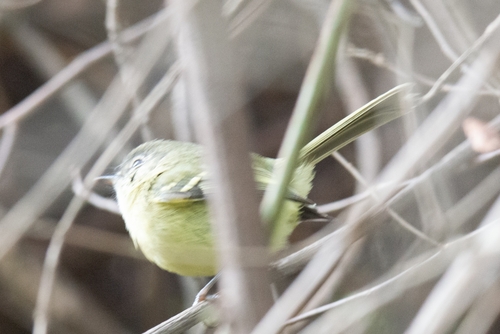 Orejerito Oliváceo
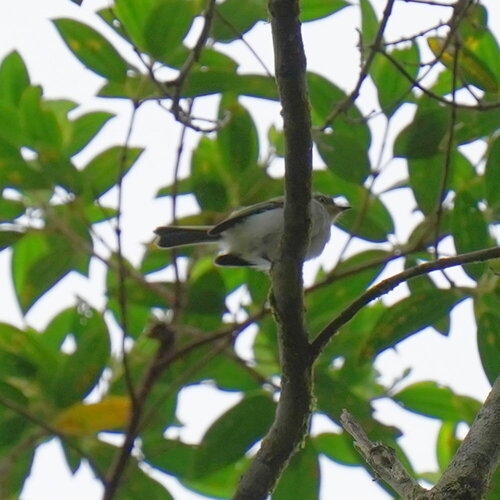 Orejerito Ojirrojo
En breve
La marca de campo más confiable para separar el Orejerito Oliváceo del Orejerito Ojirrojo es el patrón facial: el Orejerito Oliváceo muestra una mejilla moteada distintiva con un anillo ocular blanquecino roto y un 'bigote' oscuro, mientras que el Orejerito Ojirrojo tiene un lore castaño-rufoso audaz y un anillo ocular que destacan contra su cara de color oliva. Ambas especies son pequeños y activos orejeritos Phylloscartes con tamaño y estructura similares, pero la coloración de su cabeza y partes inferiores son clave. En el campo, preste mucha atención al color y patrón alrededor del ojo, los lóbulos y las mejillas, así como al color del iris. Los patrones de alas y cola son sutiles, pero pueden ayudar cuando se combinan con marcas faciales. Ambas especies a menudo se unen a bandadas mixtas y forrajean en el dosel, por lo que el contexto no siempre es útil para la separación.
Consejos de identificación
- El patrón facial es clave: El Orejerito Oliváceo tiene una mejilla moteada con un anillo ocular blanquecino roto, un 'bigote' oscuro y una media luna debajo del ojo; el Orejerito Ojirrojo tiene un lore castaño-rufoso audaz y un anillo ocular ancho y coincidente, sin moteado.
- Color del iris: El Orejerito Oliváceo tiene un iris marrón oscuro, mientras que el Orejerito Ojirrojo tiene un iris blanco brillante. Esto a menudo es visible en buena luz y es una marca de campo fuerte.
- Supercilio y anillo ocular: El Orejerito Oliváceo muestra un supercilio blanquecino corto y delgado y un anillo ocular roto e indistinto; el Orejerito Ojirrojo carece de supercilio pero tiene un anillo ocular castaño-rufoso ancho y continuo.
- Color del lore: Los lóbulos castaño-rufosos del Orejerito Ojirrojo son únicos y contrastan con la cara superior oliva, mientras que el Orejerito Oliváceo tiene lóbulos oscuros que se mezclan con el moteado facial.
- Mejilla y bigote: Solo el Orejerito Oliváceo muestra la distintiva mejilla moteada y la marca de 'bigote' oscuro; la cara del Orejerito Ojirrojo está limpia excepto por el anillo ocular castaño.
- Cima y partes superiores: Ambos son oliva, pero el Orejerito Oliváceo es más oscuro y menos brillante que la brillante cima y espalda oliva del Orejerito Ojirrojo.
- Patrón de alas: Ambos tienen alas oscuras con barras alares amarillentas o de amarillo pálido, pero el Orejerito Oliváceo puede mostrar dos barras alares (de cobertoras con puntas amarillas), mientras que el Orejerito Ojirrojo típicamente muestra una sola barra.
- Bordes de la cola: El Orejerito Oliváceo tiene bordes exteriores amarillos oliva brillantes en la base de las plumas de la cola; el Orejerito Ojirrojo tiene bordes oliva pero no tan brillantes o extensos.
- Partes inferiores: El Orejerito Oliváceo es más oliva-grisáceo a amarillento con marcas oliva tenues; el Orejerito Ojirrojo es mayormente blanquecino con un tinte oscuro verdoso en los lados y cobertoras de la cola amarillas.
- Barbilla y garganta: El Orejerito Oliváceo tiene una barbilla blanquecina y una garganta superior; el Orejerito Ojirrojo tiene una barbilla amarilla y una garganta amarilla más pálida.
- Pico y patas: Ambos tienen un pico negro puntiagudo y patas de gris azulado a pizarra—esto no es útil para la separación.
- Comportamiento de forrajeo: Ambas especies forrajean de manera similar, por lo que el comportamiento no es confiable para la separación.
- Hábitat y rango: Donde ambas ocurren, el hábitat no es diagnóstico, pero el Orejerito Oliváceo es más extendido fuera de la región central del Bosque Atlántico.
- Variación de edad/sexo: Ambos sexos y todas las edades se ven similares dentro de cada especie; no se describen marcas específicas de alas o cola para juveniles o inmaduros para ninguno de los dos.
- Iluminación y ángulo: En mala luz, el color del iris y las marcas faciales sutiles pueden ser difíciles de ver, así que priorice la audacia y el color del lore/anillo ocular y el patrón facial general.
Tamaño
Ambas especies son esencialmente idénticas en tamaño, con una masa corporal promedio de aproximadamente 8 gramos y una longitud de aproximadamente 12 cm. No hay diferencias significativas en estructura o proporciones que se puedan usar de manera confiable en el campo para separarlas. La forma del pico y la longitud de la cola también son similares, así que no confíe solo en el tamaño o la apariencia para la identificación.
Plumaje
No se describen marcas específicas de alas o vuelo para ninguna de las especies, así que concéntrese en el plumaje de los adultos. El Orejerito Oliváceo tiene un supercilio blanquecino corto y delgado, un anillo ocular blanquecino roto, una línea oscura a través del ojo y una mejilla moteada distintiva con un 'bigote' oscuro y una media luna debajo del ojo. Su cima y partes superiores son de un oliva oscuro, con alas oscuras que presentan bordes exteriores amarillos oliva brillantes en la base de las plumas de vuelo y dos barras alares amarillentas. Las partes inferiores son variables pero generalmente oliva-grisáceas a amarillentas, a veces con marcas oliva tenues. El iris es marrón oscuro.
El Orejerito Ojirrojo, en contraste, muestra una fuerte coloración castaño-rufosa en los lóbulos que se extiende a un anillo ocular ancho y coincidente, destacando un patrón facial más audaz. La cara superior es oliva, la cara inferior amarilla pálida, y la cima/partes superiores son de un oliva brillante. Las alas son oscuras con bordes oliva y una sola barra alar amarilla pálida. La cola es oscura con bordes oliva. Las partes inferiores son mayormente blanquecinas con un tinte oscuro verdoso en los lados del pecho/flancos y cobertoras de la cola amarillas. El iris es blanco brillante, un contraste notable con el Orejerito Oliváceo. Ambos tienen un pico negro puntiagudo y patas de gris azulado a pizarra.
Comportamiento
Ambas especies forrajean activamente en el medio dosel a la copa, a menudo uniéndose a bandadas de especies mixtas, y utilizan estrategias de alimentación similares: sallidos cortos y recolección en vuelo de hojas y ramitas. Ambas se posan horizontalmente, a veces con la cola levantada. No hay diferencias de comportamiento significativas para separarlas en el campo.
Hábitat
Sus rangos se superponen en Argentina, Brasil y Paraguay, y ambas se encuentran en hábitats forestales. El Orejerito Oliváceo es más extendido, ocurriendo también en Bolivia, Perú y Uruguay, mientras que el Orejerito Ojirrojo es más restringido. Ambas especies forrajean principalmente en el dosel o medio dosel, por lo que el hábitat y la altura de forrajeo no son confiables para la separación donde sus rangos se superponen.
Orejerito Oliváceo · Orejerito Ojirrojo · Mis aves difíciles