

Haarrugbuulbuul vs Grijskopbaardbuulbuul
Tricholestes criniger versus Alophoixus phaeocephalus
Speel een quiz met Haarrugbuulbuul en Grijskopbaardbuulbuul
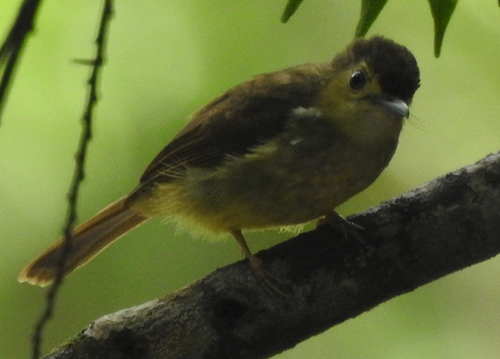 Haarrugbuulbuul
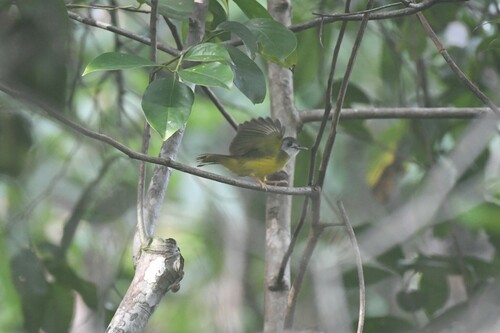 Grijskopbaardbuulbuul
Kort gezegd
Het meest betrouwbare veldkenmerk om Haarrugbuulbuul van Grijskopbaardbuulbuul te scheiden, is de aanwezigheid van opvallende haarachtige filoplumes op de rug van de Haarrugbuulbuul, die vaak verborgen zijn maar uniek zijn wanneer ze worden gezien. Haarrugbuulbuul toont ook een bleek geelachtige lore en een brede oogring, een roestbruin staart met crèmekleurige punten, en een crèmekleurige keel die overgaat in een gele borst. In tegenstelling tot de Grijskopbaardbuulbuul mist de Haarrugbuulbuul het haarachtige uiterlijk en heeft hij een meer uniforme gele buik met een grijzige of bruinachtige pet en hoofd. Beide soorten overlappen in verspreiding en habitat, dus zorgvuldige aandacht voor structurele en verenkleeddetails is essentieel, vooral omdat beide soorten op het eerste gezicht vergelijkbaar kunnen lijken.
Herkenningstips
- Zoek naar haarachtige filoplumes op de rug: Alleen de Haarrugbuulbuul toont deze kenmerkende borstelachtige veren, hoewel ze verborgen kunnen zijn. Als ze worden gezien, is dit diagnostisch voor Haarrugbuulbuul.
- Controleer de lores en oogring: Haarrugbuulbuul heeft bleek geelachtige lores en een brede oogring, terwijl Grijskopbaardbuulbuul deze kenmerken mist.
- Onderzoek de pet en nek: Haarrugbuulbuul heeft een donkere roestachtige olijfbruine pet en nek, in contrast met de meer uniforme grijzige of bruinachtige pet van Grijskopbaardbuulbuul.
- Staartkleur en -patroon: De staart van de Haarrugbuulbuul is helder roestbruin met crèmekleurige punten, een combinatie die niet voorkomt bij de Grijskopbaardbuulbuul.
- Overgang van keel en borst: De crèmekleurige kin en keel van de Haarrugbuulbuul gaan over in een gele borst, terwijl de Grijskopbaardbuulbuul doorgaans een meer uniforme gele onderkant heeft zonder de scherpe crèmekleurige keel.
- Bovenste vleugel en bovenstaartdekkveren: De Haarrugbuulbuul toont olijf-roestkleurige bovenstaartdekkveren en bovenste vleugels, wat een subtiel maar nuttig kenmerk kan zijn als het goed wordt gezien.
- Snavel- en pootkleur: De Haarrugbuulbuul heeft een licht blauwgrijze snavel en bleek groenachtig-brown poten (volwassenen), met juvenielen die bleek vlezig roze poten hebben. Deze zijn subtiel en het beste te gebruiken bij goed licht van dichtbij.
- Iris kleur: Volwassen Haarrugbuulbuul heeft een donkerbruine iris, terwijl juvenielen een grijsbruine iris hebben. De iris kleur voor Grijskopbaardbuulbuul is niet gespecificeerd, dus gebruik met voorzichtigheid.
- Algemene onderkant kleur: Beide soorten zijn geel onder, maar de gele kleur van de Haarrugbuulbuul is het felst op de borst en meer gedempt op de buik, terwijl de Grijskopbaardbuulbuul meer gelijkmatig geel is.
- Afwezigheid van een kuif: Beide soorten missen een kuif, dus dit is geen scheiding, maar wees voorzichtig met verwarring met andere gekuifde bulbuuls in de regio.
- Geslachtsverschillen: Beide soorten zijn seksueel monomorf, dus geslacht is niet nuttig voor veldscheiding.
- Juveniele kenmerken: Alleen de juveniele iris en pootkleur van de Haarrugbuulbuul worden beschreven; dit zijn kleine kenmerken maar kunnen helpen als ze worden gezien.
- Habitat overlap: Aangezien beide soorten in dezelfde bossen voorkomen, moet je niet vertrouwen op habitat of verspreiding voor scheiding.
- Stem: Er zijn geen onderscheidende vocale verschillen beschreven in de bronnen, dus vertrouw niet op roepen of zang voor scheiding.
- Subspecies variatie: De subspecies sericeus van de Haarrugbuulbuul is groter en heeft doffere gele onderstaartdekkveren, en viridis is helderder boven, maar deze zijn subtiel en zullen waarschijnlijk geen verwarring veroorzaken met de Grijskopbaardbuulbuul.
Grootte
De Haarrugbuulbuul is een kleine bulbuul, met een lengte van 16–17 cm en een gewicht van ongeveer 17 g ([wikidata]). Er is geen directe meting gegeven voor de Grijskopbaardbuulbuul, maar beide worden beschouwd als kleine bulbuls en zijn waarschijnlijk vergelijkbaar in grootte. In het veld is grootte alleen geen betrouwbare scheiding tussen deze twee soorten.
Verenkleed
- Juveniel/Onvolwassen: Voor de Haarrugbuulbuul hebben juvenielen een grijsbruine iris en bleek vlezig roze poten, maar lijken verder op volwassenen. Er zijn geen specifieke details over het juveniele of onvolwassen verenkleed beschikbaar voor de Grijskopbaardbuulbuul, dus leeftijdsgebonden scheiding is beperkt.
- Volwassenen: De Haarrugbuulbuul is olijfkleurig boven en geelachtig onder, met een donkere roestachtige olijfbruine pet en nek, olijf-roestkleurige bovenstaartdekkveren en bovenste vleugels, en een heldere roestbruine staart met crèmekleurige punten. De crèmekleurige kin en keel gaan over in een gele borst, en de bleek geelachtige lores en brede oogring vallen op. Het belangrijkste kenmerk is de aanwezigheid van haarachtige filoplumes op de rug (vaak verborgen). De Grijskopbaardbuulbuul mist daarentegen het haarachtige kenmerk en toont in plaats daarvan een meer uniforme gele buik, een grijzige of bruinachtige pet en hoofd, en heeft niet de roestkleurige staart of crèmekleurige keel en staartpunten die te zien zijn bij de Haarrugbuulbuul. Beide soorten hebben gele onderdelen, maar de patronen van hoofd en staart zijn verschillend.
Gedrag
Beide soorten zijn relatief stil en kunnen onopvallend zijn in het bos. De Haarrugbuulbuul staat bekend als relatief stil en heeft kleine, zwakke poten en voeten, wat zijn foerageergedrag kan beïnvloeden, maar dit is geen sterk veldkenmerk. Er is geen gedragskenmerk beschreven dat de twee betrouwbaar in het veld scheidt.
Habitat
Beide soorten delen vergelijkbare verspreidingen en habitats, en worden aangetroffen op het Maleisisch Schiereiland, Sumatra en Borneo, en bezetten subtropische of tropische vochtige laaglandbossen. Habitat alleen scheidt ze niet, dus veldidentificatie moet vertrouwen op verenkleed en structuur.
Haarrugbuulbuul · Grijskopbaardbuulbuul · Mijn lastige vogels