

Zeekoet vs Zwarte troepiaal
Uria aalge versus Euphagus carolinus
Speel een quiz met Zeekoet en Zwarte troepiaal
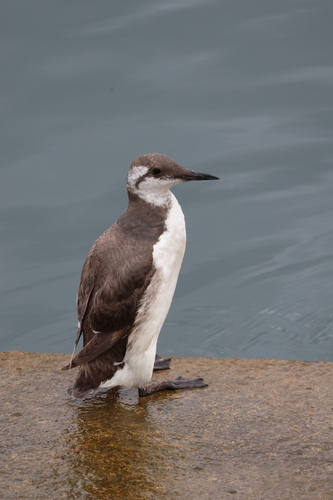 Zeekoet
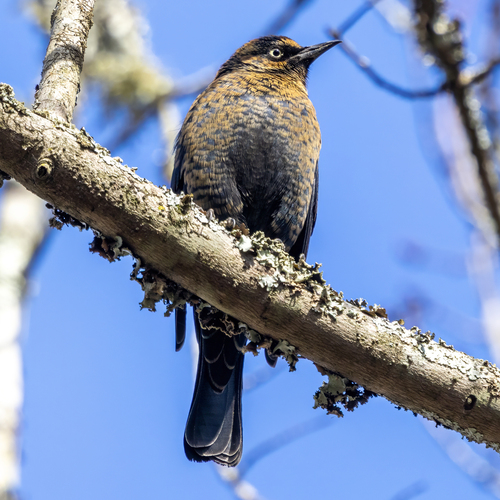 Zwarte troepiaal
Kort gezegd
De meest betrouwbare manier om Zeekoet van Zwarte troepiaal te onderscheiden, is door de algehele structuur en het habitat: Zeekoet is een zwaar gebouwde zeevogel met een scherpe, dolkachtige snavel en een korte staart, meestal gezien op kliffen of op zee, terwijl Zwarte troepiaal een slanke, landgebonden zangvogel is met een puntige maar dunnere snavel en een bleekgele oog, vaak gevonden in vochtige bossen of nabij water in het binnenland. In de vlucht toont Zeekoet smalle, puntige vleugels en een witte buik, terwijl Zwarte troepiaal bredere vleugels heeft en een uniform donkere uitstraling met een lichter oog. Seizoensgebonden verenkleedveranderingen kunnen verwarrend zijn voor beide soorten, maar de Zeekoet toont nooit de roestige tinten of het bleke oog van de troepiaal. Als je een vogel ziet met een witte onderzijde en donkere bovenkant op het water of op kliffen, is het een Zeekoet; als het zich voedt in een vochtige bos of zich verzamelt met andere troepialen, is het een Zwarte troepiaal.
Herkenningstips
- Habitat is vaak beslissend: Zeekoet is marien/kust, Zwarte troepiaal is inland in vochtige bossen of velden. Als je een vogel weg van de zee ziet, is het bijna zeker geen Zeekoet.
- Lichaamsgrootte en -vorm: Zeekoet is veel groter en zwaarder, met een robuust lichaam en een korte staart; Zwarte troepiaal is slank en veel kleiner.
- Snavelstructuur: Zeekoet heeft een lange, dunne, dolkachtige snavel; de snavel van Zwarte troepiaal is puntig maar korter, dunner en meer typisch voor een zangvogel.
- Pootkleur: De poten van Zeekoet zijn donkergrijs tot zwart; de pootkleur van Zwarte troepiaal is niet diagnostisch, maar nooit zo zwaar of ver naar achteren geplaatst als die van Zeekoet.
- Oogkleur: Zwarte troepiaal heeft altijd een bleekgele oog (volwassen), dat op afstand opvalt; het oog van Zeekoet is donker, nooit bleek.
- Verencontrast: Zeekoet toont scherpe zwarte (of bruine) bovenkant en witte onderkant, vooral in het broedseizoen; Zwarte troepiaal is geheel donker of roestig omzoomd, nooit scherp bicolored.
- Winterverenkleed: Het gezicht van Zeekoet wordt wit met een donkere stekel, maar het lichaam blijft zwart boven en wit onder; Zwarte troepiaal ontwikkelt uitgebreide roestige veerranden en behoudt altijd het bleke oog.
- Verwarring met Bridled Zeekoet: Sommige Zeekoeten tonen een witte oogring en lijn, maar de iris is nog steeds donker, en de vogel is altijd veel robuuster dan enige troepiaal.
- Vluchtstijl: Zeekoet vliegt met snelle, zoemende vleugelslagen en ziet er zwaar uit, vaak laag over het water; Zwarte troepiaal heeft een meer typische troepiaalvlucht, met uitbarstingen van flapperen en glijden, en is lichter in de vlucht.
- Zittende houding: Zeekoet staat rechtop, pinguïnachtig, vooral op kliffen; Zwarte troepiaal zit horizontaal op takken of draden.
- Groepering: Zeekoet is koloniaal alleen op broedplaatsen, anders solitair of in kleine groepen op zee; Zwarte troepiaal verzamelt vaak met andere troepialen en spreeuwen, vooral in de winter.
- Vocalisaties: De roep van Zeekoet is een diepe grom, Zwarte troepiaal geeft hoge piepjes en geklater; als je een muzikale of piepende zang hoort, is het geen Zeekoet.
- Verwarring met juvenielen: Jonge Zeekoeten lijken op volwassen vogels in de winter, met witte gezichten en donkere stekels, maar tonen nooit de roestige tinten of het bleke oog van jonge of volwassen Zwarte troepiaal.
- Voedingsgedrag: Zeekoet duikt onder water naar vis, vaak gezien op de oppervlakte van de zee; Zwarte troepiaal doorzoekt modder of ondiep water naar ongewervelden, duikt nooit.
- Contextuele aanwijzingen: Als je een zeecliff of oceaan scant, verwacht dan Zeekoet; als je in een moeras, vochtige bossen of velden met troepialen bent, verwacht dan Zwarte troepiaal.
Grootte
Zeekoet is veel groter en zwaarder dan Zwarte troepiaal. Zeekoet meet 38–46 cm in lengte en weegt 775–1.250 g ([wikipedia]), waardoor het een robuuste zeevogel is. Zwarte troepiaal is een middelgrote zangvogel, die slechts ongeveer 60 g weegt ([wikidata]), en is veel slanker en lichter. Zelfs op afstand zijn de grootte en het robuuste lichaam van Zeekoet duidelijk in vergelijking met de veel kleinere, meer delicate Zwarte troepiaal.
Verenkleed
-
Jong/Eerste-winter/Onvolwassen: Er is geen onderscheidend bovenvleugelpatroon beschreven voor beide soorten op deze leeftijden; beide hebben een vergelijkbare bovenvleugelkleur als volwassenen, maar Zeekoet juvenielen en eerste-winter vogels lijken op volwassen winterverenkleed, met witte gezichten en donkere stekels achter het oog. Zwarte troepiaal juvenielen worden niet in detail beschreven, maar volwassenen in de winter tonen sterke roestige randen aan de veren, vooral op de rug en flanken, en hebben altijd een bleekgele oog.
-
Volwassen Broed: Zeekoet is zwart (of donkerbruin in zuidelijke populaties) boven en wit onder, met een scherp contrast tussen de twee; het gezicht is volledig donker. Mannetjes Zwarte troepiaal zijn glanzend zwart met groene en paarse glans, vrouwtjes zijn grijzer, en beiden hebben een bleekgele oog. De troepiaal toont nooit het scherpe zwart-witcontrast of de witte onderkant van de Zeekoet.
-
Volwassen Niet-broed/Winter: Het gezicht van Zeekoet wordt wit met een donkere stekel achter het oog, maar de rest van de bovenkant blijft donker en de onderkant wit. Sommige Zeekoeten tonen een witte oogring en lijn ('bridled' morf), maar nooit een bleke iris. Zwarte troepiaal in de winter is donker met uitgebreide roestige veerranden en altijd een bleekgele oog. De roestige tinten en het bleke oog worden nooit gezien bij Zeekoet.
Gedrag
Zeekoet brengt bijna zijn hele leven op zee door, komt alleen aan land om te broeden op rotsachtige kliffen of eilanden, waar het in dichte kolonies nestelt. Het duikt naar vis en wordt zelden inland of ver van water gezien. Zwarte troepiaal is een terrestrische foerageerder, vaak gezien terwijl hij over natte grond of in ondiep water loopt, zich voedend met insecten en zaden, en meestal gevonden in kleine groepen, soms met andere troepialen. Het gedrag van Zeekoet is meer pinguïnachtig, met een rechtopstaande houding en onhandig lopen op land, terwijl Zwarte troepiaal meer beweegt als een typische troepiaal, zittend in bomen en foeragerend op de grond.
Habitat
Zeekoet is strikt marien, broedend op zeekliffen en de rest van het jaar ver weg op zee. Het wordt nooit inland gevonden, weg van grote waterlichamen. Zwarte troepiaal broedt in boreale bossen en veengebieden, overwintert in vochtige bossen, moerassen en overstroomde velden, en wordt ver van de oceaan gevonden. Als je een vogel in een bos, moeras of veld ziet, is het een Zwarte troepiaal; als het op een zeekliff of dobberend op de oceaan is, is het een Zeekoet.
Geluid
De belangrijkste roep van Zeekoet is een diepe, grommende "murrrr," vooral luid bij kolonies, en kuikens geven een hoge fluittoon. Zwarte troepiaal is stiller in de winter maar zingt een mix van geklater en hoge piepjes in de lente. De twee klinken totaal anders: Zeekoet is laag en ruw, Zwarte troepiaal is hoger en muzikaler.