

Cordobatinamoe vs Gevlekte nothura
Nothoprocta cinerascens versus Nothura maculosa
Speel een quiz met Cordobatinamoe en Gevlekte nothura
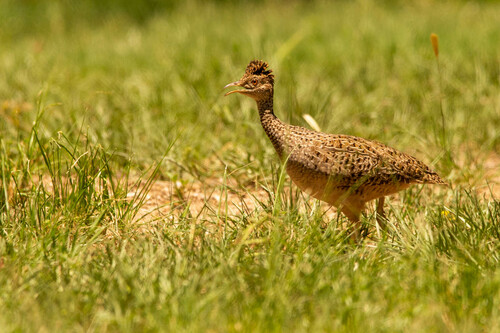 Cordobatinamoe
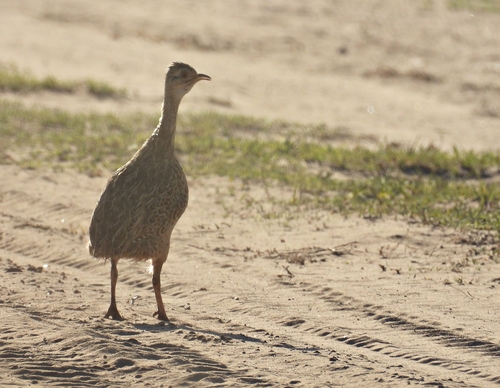 Gevlekte nothura
Kort gezegd
De meest betrouwbare manier om Cordobatinamoe van Gevlekte nothura in het veld te scheiden, is door te focussen op details van het verenkleed, vooral de aanwezigheid van streping op de primair en flanken in Gevlekte nothura, die afwezig is in Cordobatinamoe. Gevlekte nothura toont ook een kenmerkende witte keel en meer uitgebreide strepen en streping over zijn lichaam, terwijl Cordobatinamoe over het algemeen eenvoudiger is. Habitat kan helpen: Cordobatinamoe geeft de voorkeur aan droge struikgebieden op grote hoogte, terwijl Gevlekte nothura in graslanden wordt aangetroffen. Grootte is ook een aanwijzing, waarbij Cordobatinamoe merkbaar zwaarder is, maar dit is moeilijker te beoordelen tenzij beide soorten samen worden gezien.
Herkenningstips
- Streping op de primair in vlucht: Gevlekte nothura is uniek onder nothura's (behalve Chaco Nothura) in het tonen van streping op beide webben van de primair—let hierop bij vogels die opvliegen of met uitgespreide vleugels; Cordobatinamoe mist deze eigenschap. Dit kenmerk is betrouwbaar voor alle leeftijden.
- Flankstreping: Gevlekte nothura heeft duidelijke streping op de flanken, zichtbaar wanneer de vogel staat of loopt; de flanken van Cordobatinamoe zijn veel eenvoudiger.
- Patroon van borst en onderzijde: Gevlekte nothura toont buff onderzijde met zwarte en bruine strepen op de borst, terwijl Cordobatinamoe minder duidelijk gemarkeerd is aan de onderzijde.
- Kroon en keel: Gevlekte nothura heeft een zwarte kroon gestreept met buff en een opvallende witte keel. Cordobatinamoe mist het sterke krooncontrast en de witte keel.
- Algemeen contrast: Gevlekte nothura is meer gepatterned en contrasterend, terwijl Cordobatinamoe over het algemeen eenvoudiger en uniformer is.
- Kleur van de poten: Gevlekte nothura heeft dof geelachtig-grijze of bruine poten. Hoewel dit op zichzelf niet diagnostisch is, kan dit een identificatie ondersteunen als het goed wordt gezien.
- Grootte en bouw: Cordobatinamoe is veel zwaarder en robuuster dan Gevlekte nothura, die kleiner en delicater is. Gebruik dit alleen als je een goed gevoel voor schaal hebt.
- Habitatcontext: In droge, struikachtige hooglanden, verwacht Cordobatinamoe; in open graslanden is Gevlekte nothura veel waarschijnlijker.
- Geografisch bereik: Hoewel de gebieden overlappen in delen van Zuid-Amerika, is Gevlekte nothura wijdverspreider in graslanden, en is Cordobatinamoe meer beperkt tot struikachtige hooglanden.
- Jizz in vlucht: Als je een vogel ziet opvliegen, let dan op de gepatternede vleugels (streping) en de kleinere grootte van Gevlekte nothura versus de eenvoudigere, grotere Cordobatinamoe.
- Variabiliteit van het verenkleed: Gevlekte nothura toont enige kleurvariatie over zijn bereik vanwege bodemverschillen, maar de streping en strepen blijven consistent.
- Geslacht en leeftijd: Er zijn geen sterke seksuele dimorfisme of leeftijdsgerelateerde verwarring opgemerkt voor deze kenmerken; de primaire streping en flankpatroon zijn betrouwbaar over leeftijden en geslachten.
- Stem: Er zijn geen vocale verschillen vermeld in de bronnen; vertrouw op visuele kenmerken.
- Valkuilen: Pas op voor verwarring van Gevlekte nothura met Chaco Nothura, die ook primaire streping heeft, maar Cordobatinamoe is altijd eenvoudiger en zwaarder.
- Wanneer kenmerken falen: Als je de vleugels of flanken niet kunt zien, gebruik dan habitat, grootte en algemeen contrast als ondersteunende aanwijzingen, maar wees voorzichtig met verre of verborgen vogels.
Grootte
Cordobatinamoe is aanzienlijk zwaarder (gemiddeld 526 g) dan Gevlekte nothura, die een veel kleinere tinamoe is (lengte 24–25,5 cm, maar geen massa gegeven; typisch veel lichter dan Nothoprocta-soorten). In het veld zal Cordobatinamoe robuuster en sterker lijken, terwijl Gevlekte nothura kleiner en delicater is. Echter, grootte kan moeilijk te beoordelen zijn zonder directe vergelijking.
Verenkleed
Gevlekte nothura wordt onmiddellijk onderscheiden door zijn ingewikkelde patroon: de bovenzijde is bruin met buff strepen, en de onderzijde is buff met zwarte en bruine strepen op de borst en streping op de flanken. De kroon is zwart gestreept met buff, en de keel is wit. Kritisch is dat Gevlekte nothura (samen met Chaco Nothura) de enige nothura is met streping op beide webben van de primair—dit is een belangrijk veldkenmerk in vlucht of wanneer de vleugel is uitgespreid, en geldt voor alle leeftijden. Cordobatinamoe mist deze streping op de primair, en is over het algemeen eenvoudiger, met minder contrast en minder duidelijke strepen of streping. De poten van Gevlekte nothura zijn dof geelachtig-grijs of bruin, terwijl de kleur van de poten van Cordobatinamoe niet gespecificeerd is, maar niet als onderscheidend wordt opgemerkt.
Gedrag
Beide soorten zijn grondbewonende tinamoes en kunnen schuw zijn, vaak opvliegend op korte afstand. Er zijn geen specifieke gedragsverschillen opgemerkt in de bronnen, maar de voorkeur voor habitat kan invloed hebben op hoe en waar je ze tegenkomt: Cordobatinamoe is waarschijnlijker te vinden in droge, struikachtige gebieden, terwijl Gevlekte nothura de voorkeur geeft aan open graslanden.
Habitat
Cordobatinamoe is geassocieerd met droge struikgebieden op grote hoogte in subtropische en tropische regio's van Zuid-Amerika. In tegenstelling hiermee wordt Gevlekte nothura aangetroffen in grasachtige habitats—zoals open graslanden en savannes—over het oosten en zuiden van Brazilië, Paraguay, Bolivia, Uruguay, en het oosten en noorden van Argentinië. Als je in dichte struiken of droge struikgebieden bent, is Cordobatinamoe waarschijnlijker; in open grasland is Gevlekte nothura de standaard.