

Motmot

アレチシギダチョウ 対 マダラシギダチョウ

Nothoprocta cinerascens 対 Nothura maculosa

アレチシギダチョウとマダラシギダチョウのクイズ
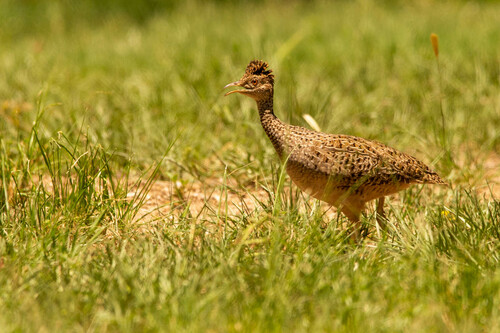
アレチシギダチョウ (Nothoprocta cinerascens) アレチシギダチョウ
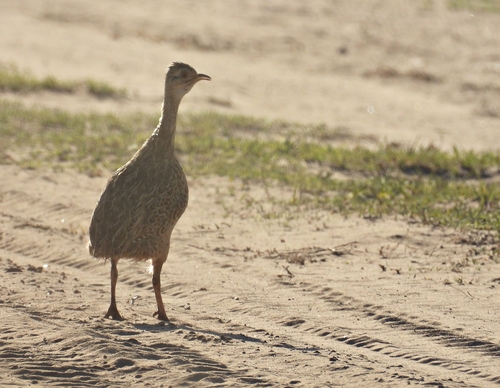
マダラシギダチョウ (Nothura maculosa) マダラシギダチョウ

メディア

読み込み中…

要点

アレチシギダチョウとマダラシギダチョウをフィールドで分ける最も信頼できる方法は、羽毛の詳細に焦点を当てることです。特に、マダラシギダチョウの初列風切羽と脇腹に見られる縞模様の存在は、アレチシギダチョウにはありません。マダラシギダチョウはまた、特徴的な白い喉と体全体に広がるストライプと縞模様を示しますが、アレチシギダチョウは一般的に地味です。生息地も手助けになります:アレチシギダチョウは高地の乾燥した低木地を好み、マダラシギダチョウは草地の低地に見られます。サイズも手がかりで、アレチシギダチョウは著しく重く、両種が一緒に見られない限り、これを判断するのは難しいです。

識別のコツ

  1. Primary barring in flight: マダラシギダチョウは、初列風切羽の両側に縞模様を示す唯一のシギダチョウであり(チャコシギダチョウを除く)、羽を広げたときや飛び立ったときにこれを探してください。アレチシギダチョウにはこの特徴がありません。このマークはすべての年齢に対して信頼できます。
  2. Flank barring: マダラシギダチョウは脇腹に明確な縞模様があり、鳥が立っているときや歩いているときに見えます。アレチシギダチョウの脇腹ははるかに地味です。
  3. Breast and underpart pattern: マダラシギダチョウは胸に黒と茶色のストライプがあるバフの下部を示しますが、アレチシギダチョウは下部のマークがあまり明確ではありません。
  4. Crown and throat: マダラシギダチョウはバフで縞模様のある黒い冠と目立つ白い喉を持っています。アレチシギダチョウは強い冠のコントラストと白い喉がありません。
  5. Overall contrast: マダラシギダチョウはよりパターンがありコントラストが強いのに対し、アレチシギダチョウは一般的に地味で均一です。
  6. Leg color: マダラシギダチョウは鈍い黄灰色または茶色の脚を持っています。単独では診断的ではありませんが、よく見えた場合はIDをサポートすることができます。
  7. Size and build: アレチシギダチョウはマダラシギダチョウよりもはるかに重く、がっしりしています。これは、スケール感が良い場合のみ使用してください。
  8. Habitat context: 乾燥した低木の高地ではアレチシギダチョウを期待してください。開けた草地の低地では、マダラシギダチョウがはるかに可能性が高いです。
  9. Geographic range: 南アメリカの南部の一部で分布が重なりますが、マダラシギダチョウは草地でより広範囲に分布し、アレチシギダチョウは低木の高地により制限されています。
  10. Jizz in flight: 鳥が飛び立つのを見たら、マダラシギダチョウのパターンのある翼(縞模様)と、より地味で大きなアレチシギダチョウの小ささを探してください。
  11. Plumage variability: マダラシギダチョウは土壌の違いにより、分布域でいくつかの色の変化を示しますが、縞模様とストライプは一貫しています。
  12. Sex and age: これらのマークに対して強い性的二形や年齢に関連する混乱は見られません。初列風切羽の縞模様と脇腹のパターンは、年齢や性別を問わず信頼できます。
  13. Voice: ソースには音声の違いは提供されていません。視覚的なマークに依存してください。
  14. Pitfalls: マダラシギダチョウとチャコシギダチョウを混同しないように注意してください。チャコシギダチョウも初列風切羽に縞模様がありますが、アレチシギダチョウは常に地味で重いです。
  15. When marks fail: 翼や脇腹が見えない場合は、生息地、サイズ、全体的なコントラストをサポートする手がかりとして使用してください。ただし、遠くの鳥や隠れた鳥には注意してください。

大きさ

アレチシギダチョウはマダラシギダチョウよりも著しく重く(平均526g)、マダラシギダチョウははるかに小さなシギダチョウです(長さ24〜25.5cm、質量は指定されていませんが、通常はNothoprocta種よりもはるかに軽いです)。フィールドでは、アレチシギダチョウはよりがっしりとしていて頑丈に見え、マダラシギダチョウは小さくて繊細です。ただし、サイズは直接比較しないと判断が難しいことがあります。

羽色

マダラシギダチョウは、その複雑なパターンによってすぐに区別されます:上面は茶色でバフのストライプがあり、下面はバフで胸に黒と茶色のストライプがあり、脇腹には縞模様があります。冠はバフで縞模様のある黒で、喉は白です。重要なのは、マダラシギダチョウ(チャコシギダチョウとともに)は、初列風切羽の両側に縞模様がある唯一のシギダチョウであり、これは飛行中または翼が広げられたときの重要なフィールドマークであり、すべての年齢に適用されます。アレチシギダチョウにはこの初列風切羽の縞模様がなく、全体的に地味で、コントラストが少なく、ストライプや縞模様もあまり目立ちません。マダラシギダチョウの脚は鈍い黄灰色または茶色ですが、アレチシギダチョウの脚の色は指定されていませんが、特に目立つものではありません。

行動

両種は地面に生息するシギダチョウであり、シャイであることが多く、近距離で飛び立つことがあります。ソースには特定の行動の違いは記載されていませんが、生息地の好みがどのように遭遇するかに影響を与える可能性があります:アレチシギダチョウは乾燥した低木のある地域で見つかる可能性が高く、マダラシギダチョウは開けた草地を好みます。

生息環境

アレチシギダチョウは南アメリカの亜熱帯および熱帯地域の高地の乾燥した低木地に関連しています。それに対して、マダラシギダチョウはブラジルの東部および南部、パラグアイ、ボリビア、ウルグアイ、アルゼンチンの東部および北部の開けた草地やサバンナなどの草地に見られます。密な低木や乾燥した低木地にいる場合はアレチシギダチョウがより可能性が高く、開けた草地ではマダラシギダチョウがデフォルトです。

より良い説明を送る

比較と同じ項目を使ってください。文章はすぐに公開されます。

The most reliable way to separate Brushland Tinamou from Spotted Nothura in the field is by focusing on plumage details, especially the presence of barring on the primaries and flanks in Spotted Nothura, which is absent in Brushland Tinamou. Spotted Nothura also shows a distinctive white throat and more extensive streaking and barring across its body, while Brushland Tinamou is generally plainer. Habitat can help: Brushland Tinamou prefers high-altitude dry shrublands, while Spotted Nothura is found in grassy lowlands. Size is also a clue, with Brushland Tinamou being notably heavier, but this is harder to judge unless both species are seen together.

  1. Primary barring in flight: Spotted Nothura is unique among nothuras (except Chaco Nothura) in showing barring on both webs of the primaries—look for this in birds flushed or with wings spread; Brushland Tinamou lacks this feature. This mark is reliable for all ages.
  2. Flank barring: Spotted Nothura has clear barring on the flanks, visible when the bird is standing or walking; Brushland Tinamou's flanks are much plainer.
  3. Breast and underpart pattern: Spotted Nothura shows buff underparts with black and brown streaks on the breast, while Brushland Tinamou is less distinctly marked below.
  4. Crown and throat: Spotted Nothura has a black crown streaked with buff and a conspicuous white throat. Brushland Tinamou lacks the strong crown contrast and white throat.
  5. Overall contrast: Spotted Nothura is more patterned and contrasting, while Brushland Tinamou is generally plainer and more uniform.
  6. Leg color: Spotted Nothura has dull yellowish-grey or brown legs. While not diagnostic alone, this can support an ID if seen well.
  7. Size and build: Brushland Tinamou is much heavier and bulkier than Spotted Nothura, which is smaller and more delicate. Use this only if you have a good sense of scale.
  8. Habitat context: In dry, shrubby highlands, expect Brushland Tinamou; in open grassy lowlands, Spotted Nothura is far more likely.
  9. Geographic range: While ranges overlap in parts of southern South America, Spotted Nothura is more widespread in grasslands, and Brushland Tinamou is more restricted to shrubby highlands.
  10. Jizz in flight: If you see a bird flush, look for the patterned wings (barring) and smaller size of Spotted Nothura versus the plainer, larger Brushland Tinamou.
  11. Plumage variability: Spotted Nothura shows some color variation across its range due to soil differences, but the barring and streaking remain consistent.
  12. Sex and age: No strong sexual dimorphism or age-related confusion is noted for these marks; the primary barring and flank pattern are reliable across ages and sexes.
  13. Voice: No vocal differences are provided in the sources; rely on visual marks.
  14. Pitfalls: Beware of confusing Spotted Nothura with Chaco Nothura, which also has primary barring, but Brushland Tinamou is always plainer and heavier.
  15. When marks fail: If you cannot see the wings or flanks, use habitat, size, and overall contrast as supporting clues, but be cautious with distant or obscured birds.

Brushland Tinamou is significantly heavier (average 526 g) than Spotted Nothura, which is a much smaller tinamou (length 24–25.5 cm, but no mass given; typically much lighter than Nothoprocta species). In the field, Brushland Tinamou will appear bulkier and more robust, while Spotted Nothura is smaller and more delicate. However, size can be hard to judge without direct comparison.

Spotted Nothura is immediately distinguished by its intricate patterning: the upperparts are brown with buff streaks, and the underparts are buff with black and brown streaks on the breast and barring on the flanks. The crown is black streaked with buff, and the throat is white. Critically, Spotted Nothura (along with Chaco Nothura) is the only nothura with barring on both webs of the primaries—this is a key field mark in flight or when the wing is spread, and applies to all ages. Brushland Tinamou lacks this barring on the primaries, and is generally plainer overall, with less contrast and less obvious streaking or barring. The legs of Spotted Nothura are dull yellowish-grey or brown, while Brushland Tinamou's leg color is not specified, but is not noted as distinctive.

Both species are ground-dwelling tinamous and can be shy, often flushing at close range. There are no specific behavioral differences noted in the sources, but habitat preference may influence how and where you encounter them: Brushland Tinamou is more likely to be found in dry, shrubby areas, while Spotted Nothura prefers open grasslands.

Brushland Tinamou is associated with high-altitude dry shrubland in subtropical and tropical regions of southern South America. In contrast, Spotted Nothura is found in grassy habitats—such as open grasslands and savannas—across eastern and southern Brazil, Paraguay, Bolivia, Uruguay, and eastern and northern Argentina. If you are in dense brush or dry shrubland, Brushland Tinamou is more likely; in open grassland, Spotted Nothura is the default.

変更を破棄しますか?

保存していない編集があります。今離れると失われます。

アレチシギダチョウ · マダラシギダチョウ · 苦手な鳥