

Tinamú Montaraz vs Tinamú Manchado
Nothoprocta cinerascens frente a Nothura maculosa
Juega un quiz con Tinamú Montaraz y Tinamú Manchado
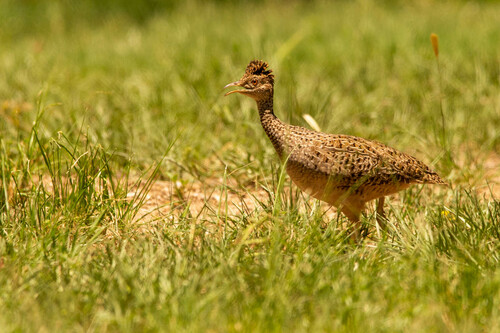 Tinamú Montaraz
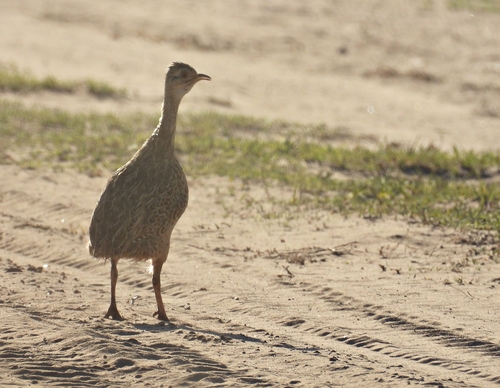 Tinamú Manchado
En breve
La forma más confiable de separar el Tinamú Montaraz del Tinamú Manchado en el campo es enfocándose en los detalles del plumaje, especialmente la presencia de bandas en las primarias y flancos en el Tinamú Manchado, que está ausente en el Tinamú Montaraz. El Tinamú Manchado también muestra una garganta blanca distintiva y un patrón de estrías y bandas más extensas en su cuerpo, mientras que el Tinamú Montaraz es generalmente más sencillo. El hábitat puede ayudar: el Tinamú Montaraz prefiere matorrales secos de alta altitud, mientras que el Tinamú Manchado se encuentra en llanuras herbáceas. El tamaño también es una pista, siendo el Tinamú Montaraz notablemente más pesado, pero esto es más difícil de juzgar a menos que ambas especies se vean juntas.
Consejos de identificación
- Bandas primarias en vuelo: El Tinamú Manchado es único entre los nothurás (excepto el Tinamú Chaco) al mostrar bandas en ambas membranas de las primarias; busca esto en aves que se asustan o con alas extendidas; el Tinamú Montaraz carece de esta característica. Esta marca es confiable para todas las edades.
- Bandas en los flancos: El Tinamú Manchado tiene bandas claras en los flancos, visibles cuando el ave está de pie o caminando; los flancos del Tinamú Montaraz son mucho más sencillos.
- Patrón del pecho y partes inferiores: El Tinamú Manchado muestra partes inferiores color crema con estrías negras y marrones en el pecho, mientras que el Tinamú Montaraz está menos marcado por debajo.
- Cresta y garganta: El Tinamú Manchado tiene una cresta negra estriada de color crema y una garganta blanca conspicua. El Tinamú Montaraz carece del fuerte contraste en la cresta y de la garganta blanca.
- Contraste general: El Tinamú Manchado es más patrón y contrastante, mientras que el Tinamú Montaraz es generalmente más sencillo y uniforme.
- Color de las patas: El Tinamú Manchado tiene patas de un gris amarillento o marrón apagado. Aunque no es diagnóstico por sí solo, esto puede apoyar una identificación si se ve bien.
- Tamaño y estructura: El Tinamú Montaraz es mucho más pesado y robusto que el Tinamú Manchado, que es más pequeño y más delicado. Usa esto solo si tienes una buena percepción de la escala.
- Contexto del hábitat: En tierras altas secas y arbustivas, espera encontrar el Tinamú Montaraz; en llanuras herbáceas abiertas, el Tinamú Manchado es mucho más probable.
- Rango geográfico: Aunque los rangos se superponen en partes del sur de América del Sur, el Tinamú Manchado es más común en praderas, y el Tinamú Montaraz está más restringido a tierras altas arbustivas.
- Jizz en vuelo: Si ves un ave asustarse, busca las alas con patrón (bandas) y el tamaño más pequeño del Tinamú Manchado frente al más sencillo y grande Tinamú Montaraz.
- Variabilidad del plumaje: El Tinamú Manchado muestra alguna variación de color a lo largo de su rango debido a diferencias en el suelo, pero las bandas y estrías permanecen consistentes.
- Sexo y edad: No se nota un fuerte dimorfismo sexual o confusión relacionada con la edad para estas marcas; las bandas primarias y el patrón de los flancos son confiables en todas las edades y sexos.
- Voz: No se proporcionan diferencias vocales en las fuentes; confía en las marcas visuales.
- Trampas: Ten cuidado de confundir el Tinamú Manchado con el Tinamú Chaco, que también tiene bandas primarias, pero el Tinamú Montaraz siempre es más sencillo y pesado.
- Cuando las marcas fallan: Si no puedes ver las alas o los flancos, usa el hábitat, el tamaño y el contraste general como pistas de apoyo, pero ten cuidado con aves distantes u ocultas.
Tamaño
El Tinamú Montaraz es significativamente más pesado (promedio 526 g) que el Tinamú Manchado, que es un tinamú mucho más pequeño (longitud 24–25.5 cm, pero no se da masa; típicamente mucho más ligero que las especies de Nothoprocta). En el campo, el Tinamú Montaraz parecerá más robusto y sólido, mientras que el Tinamú Manchado es más pequeño y más delicado. Sin embargo, el tamaño puede ser difícil de juzgar sin una comparación directa.
Plumaje
El Tinamú Manchado se distingue inmediatamente por su intrincado patrón: las partes superiores son marrones con estrías color crema, y las partes inferiores son color crema con estrías negras y marrones en el pecho y bandas en los flancos. La cresta es negra estriada de color crema, y la garganta es blanca. Críticamente, el Tinamú Manchado (junto con el Tinamú Chaco) es el único nothura con bandas en ambas membranas de las primarias; esta es una marca clave en el campo en vuelo o cuando el ala está extendida, y se aplica a todas las edades. El Tinamú Montaraz carece de estas bandas en las primarias y es generalmente más sencillo en general, con menos contraste y menos estrías o bandas obvias. Las patas del Tinamú Manchado son de un gris amarillento o marrón apagado, mientras que el color de las patas del Tinamú Montaraz no se especifica, pero no se menciona como distintivo.
Comportamiento
Ambas especies son tinamúes terrestres y pueden ser tímidas, a menudo asustándose a corta distancia. No se notan diferencias de comportamiento específicas en las fuentes, pero la preferencia de hábitat puede influir en cómo y dónde los encuentras: el Tinamú Montaraz es más probable que se encuentre en áreas secas y arbustivas, mientras que el Tinamú Manchado prefiere praderas abiertas.
Hábitat
El Tinamú Montaraz está asociado con matorrales secos de alta altitud en regiones subtropicales y tropicales del sur de América del Sur. En contraste, el Tinamú Manchado se encuentra en hábitats herbáceos, como praderas abiertas y sabanas, en el este y sur de Brasil, Paraguay, Bolivia, Uruguay y el este y norte de Argentina. Si estás en un denso matorral o matorral seco, es más probable que encuentres el Tinamú Montaraz; en praderas abiertas, el Tinamú Manchado es el predeterminado.