

Brushland Tinamou vs Spotted Nothura
Nothoprocta cinerascens contro Nothura maculosa
Fai un quiz con Brushland Tinamou e Spotted Nothura
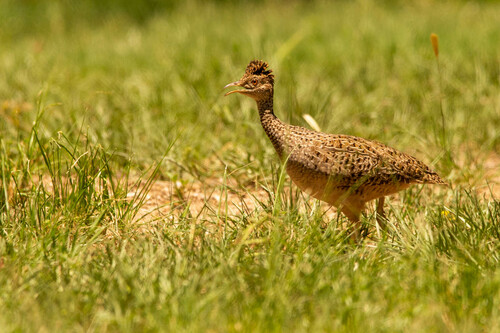 Brushland Tinamou
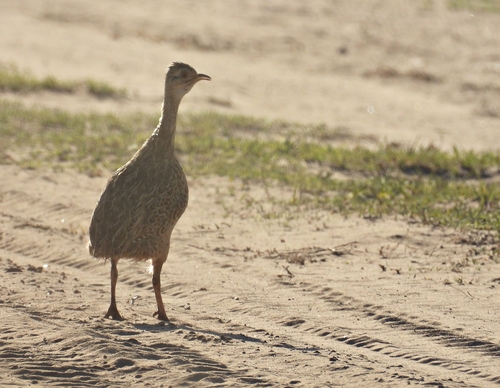 Spotted Nothura
In breve
Il modo più affidabile per separare il Brushland Tinamou dallo Spotted Nothura sul campo è concentrarsi sui dettagli del piumaggio, in particolare sulla presenza di striature sulle primarie e sui fianchi nello Spotted Nothura, che è assente nel Brushland Tinamou. Lo Spotted Nothura mostra anche una gola bianca distintiva e una striatura e striature più estese su tutto il corpo, mentre il Brushland Tinamou è generalmente più semplice. L'habitat può aiutare: il Brushland Tinamou preferisce i cespugli secchi ad alta quota, mentre lo Spotted Nothura si trova nelle pianure erbose. Anche le dimensioni sono un indizio, con il Brushland Tinamou che è notevolmente più pesante, ma questo è più difficile da giudicare a meno che entrambe le specie non siano viste insieme.
Consigli di identificazione
- Primary barring in flight: Lo Spotted Nothura è unico tra i nothuras (eccetto il Chaco Nothura) nel mostrare striature su entrambe le membrane delle primarie—cerca questo negli uccelli che si alzano in volo o con le ali spiegate; il Brushland Tinamou manca di questa caratteristica. Questo segno è affidabile per tutte le età.
- Flank barring: Lo Spotted Nothura ha chiare striature sui fianchi, visibili quando l'uccello è in piedi o cammina; i fianchi del Brushland Tinamou sono molto più semplici.
- Breast and underpart pattern: Lo Spotted Nothura mostra parti inferiori color crema con striature nere e marroni sul petto, mentre il Brushland Tinamou è meno distintamente marcato sotto.
- Crown and throat: Lo Spotted Nothura ha una corona nera striata di crema e una gola bianca evidente. Il Brushland Tinamou manca del forte contrasto della corona e della gola bianca.
- Overall contrast: Lo Spotted Nothura è più decorato e contrastante, mentre il Brushland Tinamou è generalmente più semplice e uniforme.
- Leg color: Lo Spotted Nothura ha zampe di un grigio giallastro opaco o marrone. Anche se non è diagnostico da solo, questo può supportare un'identificazione se visto bene.
- Size and build: Il Brushland Tinamou è molto più pesante e robusto dello Spotted Nothura, che è più piccolo e più delicato. Usa questo solo se hai una buona percezione delle dimensioni.
- Habitat context: In altipiani secchi e cespugliosi, aspettati il Brushland Tinamou; nelle pianure erbose aperte, lo Spotted Nothura è molto più probabile.
- Geographic range: Anche se gli areali si sovrappongono in alcune parti del sud America, lo Spotted Nothura è più diffuso nelle praterie, e il Brushland Tinamou è più ristretto agli altipiani cespugliosi.
- Jizz in flight: Se vedi un uccello alzarsi in volo, cerca le ali decorate (strisce) e la dimensione più piccola dello Spotted Nothura rispetto al Brushland Tinamou, che è più semplice e più grande.
- Plumage variability: Lo Spotted Nothura mostra alcune variazioni di colore nel suo areale a causa delle differenze nel suolo, ma le striature e le striature rimangono costanti.
- Sex and age: Non si notano forti dimorfismi sessuali o confusione legata all'età per questi segni; le striature primarie e il modello dei fianchi sono affidabili in tutte le età e sessi.
- Voice: Non sono fornite differenze vocali nelle fonti; fai affidamento sui segni visivi.
- Pitfalls: Fai attenzione a confondere lo Spotted Nothura con il Chaco Nothura, che ha anche striature primarie, ma il Brushland Tinamou è sempre più semplice e pesante.
- When marks fail: Se non riesci a vedere le ali o i fianchi, usa habitat, dimensioni e contrasto generale come indizi di supporto, ma fai attenzione con uccelli lontani o oscurati.
Taglia
Il Brushland Tinamou è significativamente più pesante (media 526 g) dello Spotted Nothura, che è un tinamou molto più piccolo (lunghezza 24–25,5 cm, ma non è indicato il peso; tipicamente molto più leggero delle specie di Nothoprocta). Sul campo, il Brushland Tinamou apparirà più robusto e massiccio, mentre lo Spotted Nothura è più piccolo e più delicato. Tuttavia, le dimensioni possono essere difficili da giudicare senza un confronto diretto.
Piumaggio
Lo Spotted Nothura è immediatamente distinto dal suo intricato motivo: le parti superiori sono marroni con striature color crema, e le parti inferiori sono color crema con striature nere e marroni sul petto e striature sui fianchi. La corona è nera striata di crema, e la gola è bianca. Criticamente, lo Spotted Nothura (insieme al Chaco Nothura) è l'unico nothura con striature su entrambe le membrane delle primarie—questo è un segno chiave sul campo in volo o quando l'ala è spiegata, e si applica a tutte le età. Il Brushland Tinamou manca di queste striature sulle primarie, ed è generalmente più semplice nel complesso, con meno contrasto e meno evidenti striature o striature. Le zampe dello Spotted Nothura sono di un grigio giallastro opaco o marrone, mentre il colore delle zampe del Brushland Tinamou non è specificato, ma non è notato come distintivo.
Comportamento
Entrambe le specie sono tinamou terrestri e possono essere timide, spesso alzandosi in volo a distanza ravvicinata. Non ci sono differenze comportamentali specifiche notate nelle fonti, ma la preferenza per l'habitat può influenzare come e dove le incontri: il Brushland Tinamou è più probabile trovarlo in aree secche e cespugliose, mentre lo Spotted Nothura preferisce le praterie aperte.
Habitat
Il Brushland Tinamou è associato a cespugli secchi ad alta quota nelle regioni subtropicali e tropicali del sud America. Al contrario, lo Spotted Nothura si trova in habitat erbosi—come praterie aperte e savane—attraverso il Brasile orientale e meridionale, Paraguay, Bolivia, Uruguay e Argentina orientale e settentrionale. Se ti trovi in un folto cespuglio o in un cespuglio secco, è più probabile che tu incontri il Brushland Tinamou; nelle praterie aperte, lo Spotted Nothura è la norma.
Brushland Tinamou · Spotted Nothura · I miei uccelli difficili