

Indische smaragdduif vs Kleine papegaaiduif
Chalcophaps indica versus Treron olax
Speel een quiz met Indische smaragdduif en Kleine papegaaiduif
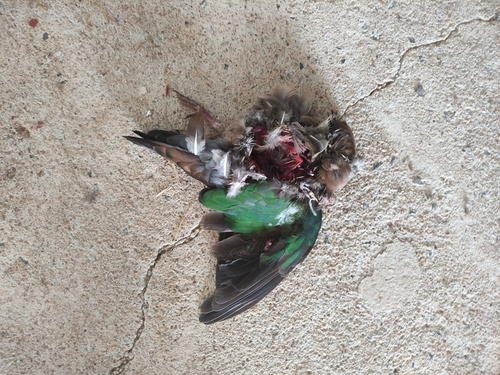 Indische smaragdduif
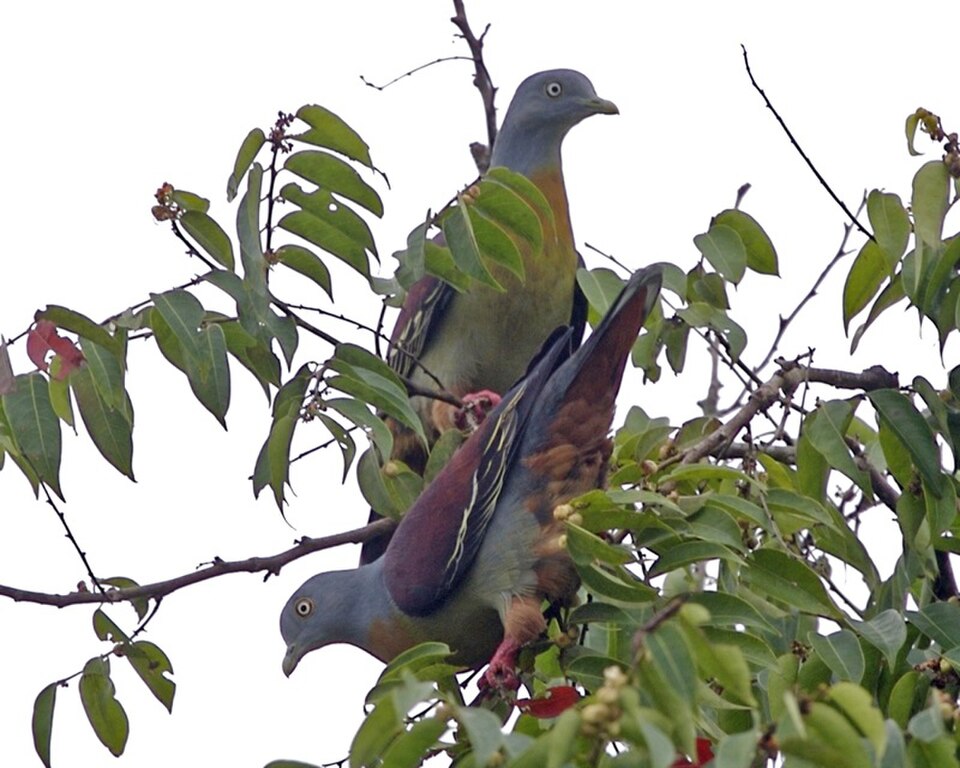 Kleine papegaaiduif
Kort gezegd
Het meest betrouwbare veldkenmerk tussen Indische smaragdduif en Kleine papegaaiduif is de aanwezigheid van heldergroene bovenvleugels en rug bij de Indische smaragdduif, in contrast met de meer uniform olijfgroene bovenkant van de Kleine papegaaiduif. In de vlucht toont de Indische smaragdduif gedurfde zwarte en witte strepen op de onderrug en zwartachtige vluchtveren, terwijl de Kleine papegaaiduif deze contrasterende patronen mist. De structuur verschilt ook: de Indische smaragdduif is steviger met een helderrode snavel en kastanjebruine poten, terwijl de Kleine papegaaiduif slanker is en de rode snavel mist. Seksueel dimorf verenkleed bij de Kleine papegaaiduif (mannetjes met oranje nekvlek en kastanjebruine mantel) wordt nooit geëvenaard door de Indische smaragdduif. Onvolwassen Indische smaragdduiven hebben bruine schubben, wat niet te zien is bij de Kleine papegaaiduif. Beide soorten zijn te vinden in dichte bossen, maar hun verspreidingsgebieden overlappen alleen in delen van Zuidoost-Azië.
Herkenningstips
- Bovenvleugel en Rug in de Vlucht (Alle Leeftijdsgroepen): Zoek naar de heldergroene rug en vleugels van de Indische smaragdduif, met zwartachtige vluchtveren en gedurfde zwarte en witte strepen op de onderrug—deze zijn zichtbaar in de vlucht en worden nooit getoond door de Kleine papegaaiduif.
- Jongeren Schubben (Indische smaragdduif): Onvolwassen Indische smaragdduiven hebben bruine schubben op het lichaam en de vleugels, een kenmerk dat niet aanwezig is bij de Kleine papegaaiduif van welke leeftijd dan ook.
- Grootte en Structuur: De Indische smaragdduif is steviger en iets groter (23–27 cm) dan de slanker, kleinere Kleine papegaaiduif (21–22 cm). Dit is subtiel maar nuttig met ervaring.
- Snavelkleur: De Indische smaragdduif heeft een helderrode snavel, zichtbaar van dichtbij of in goed licht; de Kleine papegaaiduif niet.
- Poten Kleur: De poten en voeten van de Indische smaragdduif zijn kastanjebruin; dit is geen kenmerk voor de Kleine papegaaiduif.
- Mannelijk Verenleed (Kleine papegaaiduif): Mannelijke Kleine papegaaiduif heeft een kenmerkende oranje nekvlek die overgaat in gele onderdelen en een kastanjebruine mantel—nooit geëvenaard door de Indische smaragdduif.
- Vrouwelijk Verenleed: Vrouwelijke Indische smaragdduif is bruiner met een grijze markering op de schouder en mist de witte schoudervlek van het mannetje. Vrouwelijke Kleine papegaaiduif is olijfgroen boven en geel onder, zonder kastanjebruin of oranje.
- Kroon Kleur (Indische smaragdduif Mannelijk): Mannelijke Indische smaragdduif heeft een grijze kroon, wat niet te zien is bij de Kleine papegaaiduif.
- Schoudervlek: Mannelijke Indische smaragdduif toont een witte vlek op de rand van de schouders; afwezig bij de Kleine papegaaiduif.
- Grond vs Boom Voeden: De Indische smaragdduif wordt vaak gezien terwijl hij op de grond loopt, terwijl de Kleine papegaaiduif bijna altijd in bomen is.
- Vluchtstijl: De Indische smaragdduif vliegt laag en direct door het bos, soms wevend; de Kleine papegaaiduif is meer geneigd om van boom naar boom te bewegen.
- Vocalisatie: Als je een zachte, stijgende coo of 'hoo-hoo-hoon' hoort, is het de Indische smaragdduif; de Kleine papegaaiduif wordt in deze aantekeningen niet als vocaal beschreven.
- Habitat Context: Als gezien in mangroven of op landbouwgrond, is de Indische smaragdduif waarschijnlijker; de Kleine papegaaiduif is meer strikt een boskruin vogel.
- Seksueel Dimorfisme: Alleen de Kleine papegaaiduif toont sterke mannelijke-vrouwelijke verschillen in kleur (kastanjebruin en oranje bij mannetjes); de seksen van de Indische smaragdduif zijn subtieler verschillend.
- Benaderbaarheid: De Indische smaragdduif is vaak tam en benaderbaar, soms wegwandelen van verstoring in plaats van op te vliegen; de Kleine papegaaiduif is waarschijnlijker om van de kruin te vliegen.
Grootte
Indische smaragdduif is iets groter en steviger, met een lengte van 23–27 cm, terwijl de Kleine papegaaiduif kleiner is met 21–22 cm. Dit verschil is subtiel maar kan opvallen bij directe vergelijking of ervaring. De Indische smaragdduif lijkt ook robuuster en compacter, terwijl de Kleine papegaaiduif slanker en delicater van bouw is. Snavelkleur is een nuttige structurele aanwijzing: de Indische smaragdduif heeft een helderrode snavel, terwijl de Kleine papegaaiduif dat niet heeft.
Verenkleed
- Jongeren/Onvolwassen: Onvolwassen Indische smaragdduiven lijken op vrouwtjes maar hebben kenmerkende bruine schubben op hun lichaam en vleugels. Onvolwassen Kleine papegaaiduiven worden niet beschreven als zijnde met dergelijke schubben; hun bovenkant blijft meer uniform olijf.
- Volwassen Mannelijk: Mannelijke Indische smaragdduiven hebben een grijze kroon en een witte vlek op de schouder, met een heldergroene rug en vleugels. Mannelijke Kleine papegaaiduiven hebben een oranje nekvlek die overgaat in een gele onderzijde en een kastanjebruine mantel, die afwezig zijn bij de Indische smaragdduif.
- Volwassen Vrouwelijk: Vrouwelijke Indische smaragdduiven missen de witte schoudervlek en hebben een bruiner, iets grijzer hoofd. Vrouwelijke Kleine papegaaiduiven zijn olijfgroen boven en geel onder, zonder de kastanjebruin en oranje van het mannetje.
- In de Vlucht: De Indische smaragdduif toont zwartachtige vluchtveren en staart, met brede zwarte en witte strepen op de onderrug—deze zijn zichtbaar in de vlucht en diagnostisch. De Kleine papegaaiduif toont geen dergelijke contrasterende vleugel- of rugpatronen in de vlucht, en lijkt meer uniform.
- Snavel en Poten: De Indische smaragdduif heeft een helderrode snavel en kastanjebruine poten; de Kleine papegaaiduif mist deze kleuren.
Gedrag
De Indische smaragdduif wordt vaak gezien terwijl hij op de grond loopt op zoek naar gevallen fruit en is over het algemeen tam en benaderbaar, vaak wegwandelen wanneer hij verstoord wordt in plaats van onmiddellijk op te vliegen. Zijn vlucht is snel, direct en laag, wevend door dichte bosgebieden. De Kleine papegaaiduif, net als andere Treron-soorten, is meer arboreaal, meestal voeden in bomen voor fruit en minder waarschijnlijk op de grond gezien te worden. Beide soorten zijn fruiteters, maar hun foerageergedrag verschilt, waarbij de Indische smaragdduif meer terrestrisch is.
Habitat
Beide soorten bewonen dichte, vochtige laaglandbossen, maar de Indische smaragdduif is wijdverspreider, met een verspreiding van het Indiase subcontinent tot Zuidoost-Azië, inclusief mangroven en zelfs boerderijen. De Kleine papegaaiduif is meer beperkt tot Brunei, Indonesië, Maleisië, Singapore en Thailand. Waar de verspreidingsgebieden overlappen, kunnen beide in vergelijkbare boshabitats voorkomen, maar de Indische smaragdduif is waarschijnlijker op of nabij de grond te worden aangetroffen, terwijl de Kleine papegaaiduif meer strikt arboreaal is.
Geluid
De Indische smaragdduif geeft een lage, zachte, jammerende coo van ongeveer zes tot zeven noten, die stil begint en stijgt, evenals een nasale 'hoo-hoo-hoon.' Geen onderscheidende vocalisatie wordt beschreven voor de Kleine papegaaiduif in deze aantekeningen, dus de stem is geen betrouwbare scheiding tenzij het roepje van de Indische smaragdduif wordt gehoord.
Indische smaragdduif · Kleine papegaaiduif · Mijn lastige vogels