

Motmot

キバラメジロハエトリ 対 ハモンドメジロハエトリ

Empidonax flaviventris 対 Empidonax hammondii

キバラメジロハエトリとハモンドメジロハエトリのクイズ
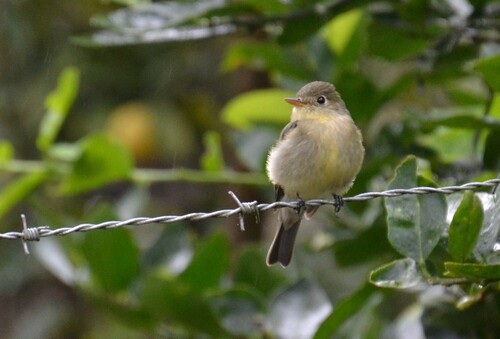
キバラメジロハエトリ (Empidonax flaviventris) キバラメジロハエトリ
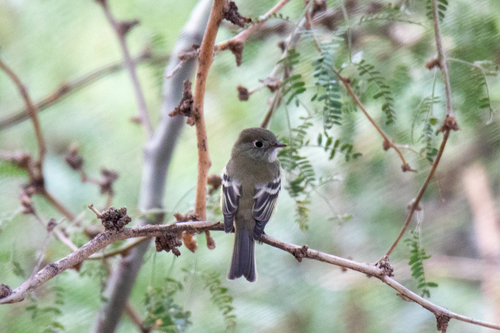
ハモンドメジロハエトリ (Empidonax hammondii) ハモンドメジロハエトリ

メディア

読み込み中…

要点

イエローベリーとハモンドメジロハエトリの間で最も信頼できるフィールドマークは、腹部の全体的な色です:イエローベリーは明確に黄色がかった腹部を示し(特に喉と腹部で)、ハモンドメジロハエトリは下側がずっと白く、腹部の側面にはわずかな黄色の洗いがあるだけです。両種は強いアイリングと翼のバーを持っていますが、イエローベリーのものはしばしばより黄色がかっており、黒い翼とのコントラストが強いです。くちばしの色と構造も役立ちます:イエローベリーは暗い上顎とオレンジピンクの下顎を持つ広く平らなくちばしを持ち、ハモンドは小さく狭いくちばしを持っています。両種の幼鳥/未成熟な鳥は、より広い、バフィーな翼のバーを示すことがありますが、全体的な腹部の色とくちばしの形は依然として有用です。構造的および行動的な手がかり、ならびに声の微妙な違いも分離を助けることができます。

識別のコツ

  1. Underpart Color (All Ages): イエローベリーは明確に黄色がかった腹部を持ち、特に喉と腹部で、ハモンドは下側が白っぽく、腹部の側面にはわずかな黄色の洗いと胸には灰色の洗いがあります。これは最も一貫したフィールドマークです。
  2. Upperparts Tone: イエローベリーは上部が緑がかっており、黄色の腹部と対照的です。ハモンドは上部が灰色がかったオリーブで、全体的に鈍く、冷たい印象を与えます。
  3. Wing Bars (All Ages): 両種は2つの淡い翼のバーを示しますが、イエローベリーのものはしばしばより黄色がかっており、黒い翼とのコントラストが強いのに対し、ハモンドのものは白く、コントラストが少ないです。両種の未成熟な個体はより広い、バフィーな翼のバーを持つことがありますが、腹部の色はより良い手がかりです。
  4. Eye Ring: 両方とも強いアイリングを持っていますが、イエローベリーのものはより黄色がかっている可能性があり、ハモンドのものは通常明るい白です。アイリングの形はこれら二つの間の強い分離要因ではありません。
  5. Bill Structure and Color: イエローベリーは暗い上顎とオレンジピンクの下顎を持つ広く平らなくちばしを持っています。ハモンドは小さく狭いくちばしを持ち、全体的に一般的に暗いです。くちばしの色は良い光の中で特に有用です。
  6. Tail Length and Shape: 両方とも比較的短い尾を持っていますが、イエローベリーの尾は特にエンピドナックスとしては短いです。これは微妙な違いであり、フィールドで常に信頼できるわけではありません。
  7. Perch Height and Behavior: イエローベリーは通常、木の低いまたは中間の高さに止まる傾向がありますが、ハモンドは上部の開けた止まり木を好みます。他のマークと組み合わせて使用してください。
  8. Vocalizations: 歌っている場合、イエローベリーは粗く下降する「tse-berk」を出し、ハモンドはより複雑で多様な歌を出します。呼び声はあまり特徴的ではありませんが、経験によって助けることができます。
  9. Habitat Context: 東部または北方の森林ではイエローベリーがより可能性が高く、成熟した西部の針葉樹林、特にモミ/アスペンではハモンドが期待されます。範囲と生息地は補助的な手がかりであり、主要なフィールドマークではありません。
  10. Sex Differences: メスのハモンドはオスよりも短く広いくちばしを持つことがありますが、これは微妙であり、イエローベリーとの分離のための信頼できるフィールドマークではありません。
  11. Juvenile/Immature Birds: 両方とも未成熟なときにバフィーまたは黄色がかった翼のバーを示すことがありますが、イエローベリーの黄色い腹部は依然として特徴的です。ハモンドの未成熟は全体的にバフィーですが、下側は白っぽいままです。
  12. Flight Impression: 両種は昆虫を捕まえるために飛び出し、時には葉から採取するためにホバリングしますが、ハモンドはわずかに細身で長い翼を持っているように見えることがあります。
  13. Pitfalls: 翼のバーの色やアイリングの形だけに頼らないでください;常に腹部の色とくちばしの構造を確認してください。未成熟な鳥は特に混乱を招くことがありますが、イエローベリーの黄色の洗いは通常見えます。
  14. When Marks Fail: 光が悪い場合や羽毛が摩耗している場合、腹部の色が鈍くなることがあります。くちばしの色/形と行動をバックアップとして使用してください。声は見えにくい場合に重要です。
  15. Summary: 常に腹部の色、くちばしの構造、および生息地/行動を組み合わせて、特に混合した群れや移動中に最も信頼できる識別を行ってください。

大きさ

両種はサイズが非常に似ており、イエローベリーは平均体重が11.3 g [wikidata]で、ハモンドは8–12 g [wikipedia]の範囲です。長さでは、イエローベリーは13–15 cm (5.1–5.9 in)、ハモンドは12–14 cm (4.7–5.5 in)であり、したがって広範な重複があり、サイズだけでは信頼できるフィールドマークではありません。翼幅はハモンドの方がわずかに大きく(22 cm対18–20 cm)、しかしこれは微妙であり、フィールドで簡単に判断できません。

羽色

行動

両種は似たような採餌戦略を使用し、止まり木から飛び出して昆虫を捕まえ、時には葉から採取するためにホバリングします。イエローベリーは通常、木の低いまたは中間の高さに止まりますが、ハモンドはしばしば木の上部の開けた止まり木を選びます。この好ましい止まり木の高さの違いは、適切な生息地で微妙な行動的手がかりとなることがあります。

生息環境

イエローベリーは湿った混合または針葉樹林、特に北方地域で最もよく見られ、低いまたは中間の高さの止まり木を好みます。ハモンドは北アメリカ西部の成熟した針葉樹林および混合林に特徴的で、特に密なモミ、アスペン、そしてドッグウッドの森林に見られ、上部の樹冠に見つかる可能性が高いです。両方が一部の針葉樹の生息地で重複することがありますが、ハモンドは成熟した西部の森林により厳密に関連しています。

声

イエローベリーの歌は粗く下降する「tse-berk」で、チビメジロハエトリと混同されることがありますが、よりスナッピーではなく、より下降します。ハモンドは多様なバースのある「ssilit, greeep, silit, pweet」と鋭い「peek」の呼び声を出します。ハモンドは移動中や越冬地では歌いません。フィールドでは、声は微妙であり、よく聞かないと分離が難しいことがありますが、イエローベリーの歌は通常よりシンプルで下降し、ハモンドのものはより複雑で変動します。

より良い説明を送る

比較と同じ項目を使ってください。文章はすぐに公開されます。

The most reliable field mark between Yellow-bellied and Hammond's Flycatchers is the overall color of the underparts: Yellow-bellied shows distinctly yellowish underparts (especially on the throat and belly), while Hammond's is much whiter below with only a faint yellow wash on the belly sides. Both species have strong eye rings and wing bars, but Yellow-bellied's are often more yellowish and contrast more with the black wings. Bill color and structure also help: Yellow-bellied has a broader, flatter bill with a dark upper mandible and orange-pink lower, while Hammond's has a smaller, narrower bill. Juvenile/immature birds of both species can show broader, buffier wing bars, but the overall underpart color and bill shape remain useful. Structural and behavioral clues, as well as subtle differences in voice, can further aid separation.

  1. Underpart Color (All Ages): Yellow-bellied Flycatcher has distinctly yellowish underparts, especially on the throat and belly, while Hammond's Flycatcher is whitish below with only a faint yellow wash on the belly sides and a grayish wash on the breast. This is the most consistent field mark.
  2. Upperparts Tone: Yellow-bellied is greenish above, contrasting with its yellow underparts. Hammond's is grayish-olive above, giving a duller, colder overall impression.
  3. Wing Bars (All Ages): Both species show two pale wing bars, but Yellow-bellied's are often more yellowish and strongly contrast with black wings, while Hammond's are white and less contrasting. Immatures of both species can have broader, buffier wing bars, but the underpart color remains a better clue.
  4. Eye Ring: Both have a strong eye ring, but Yellow-bellied's may be more yellowish, while Hammond's is usually bright white. The eye ring shape is not a strong separator between these two.
  5. Bill Structure and Color: Yellow-bellied has a broad, flat bill with a dark upper mandible and orange-pink lower mandible. Hammond's has a smaller, narrower bill, generally darker overall. Bill color is especially useful in good light.
  6. Tail Length and Shape: Both have relatively short tails, but Yellow-bellied's is especially short for an Empidonax. This is a subtle distinction and not always reliable in the field.
  7. Perch Height and Behavior: Yellow-bellied tends to perch lower or mid-level in trees, while Hammond's prefers higher, more open perches in the upper canopy. Use this in combination with other marks.
  8. Vocalizations: If singing, Yellow-bellied gives a rough, descending "tse-berk"; Hammond's gives a more complex, multi-versed song. Calls are less distinctive but can help with experience.
  9. Habitat Context: In the east or boreal forests, Yellow-bellied is more likely; in mature western coniferous forests, especially fir/aspen, Hammond's is expected. Range and habitat are supporting clues, not primary field marks.
  10. Sex Differences: Female Hammond's may have a shorter, wider bill than males, but this is subtle and not a reliable field mark for separation from Yellow-bellied.
  11. Juvenile/Immature Birds: Both can show buffy or yellowish wing bars when immature, but Yellow-bellied's yellow underparts are still distinctive. Hammond's immatures are more buff overall but remain whitish below.
  12. Flight Impression: Both species sally for insects and hover-glean, but Hammond's may appear slightly more slender and longer-winged due to its marginally greater wingspan.
  13. Pitfalls: Do not rely solely on wing bar color or eye ring shape; always check underpart color and bill structure. Immature birds can be especially confusing, but the yellow wash of Yellow-bellied is usually visible.
  14. When Marks Fail: In poor light or worn plumage, underpart color may be muted. Use bill color/shape and behavior as backup. Voice is essential if seen poorly.
  15. Summary: Always combine underpart color, bill structure, and habitat/behavior for the most reliable identification, especially in mixed flocks or migration.

Both species are very similar in size, with Yellow-bellied Flycatcher averaging a body mass of 11.3 g [wikidata] and Hammond's Flycatcher ranging from 8–12 g [wikipedia]. In length, Yellow-bellied is 13–15 cm (5.1–5.9 in) and Hammond's is 12–14 cm (4.7–5.5 in), so there is extensive overlap and size alone is not a reliable field mark. Wingspan is slightly larger in Hammond's (22 cm vs. 18–20 cm), but this is subtle and not easily judged in the field.

  • Juvenile/Immature birds: Both species' immatures have broader, buffier wing bars than adults. Hammond's immatures are especially noted for buffy wing bars and a generally more buff appearance, but Yellow-bellied can also show yellowish or buffy wing bars. The key difference remains the underparts: Yellow-bellied immatures are yellowish throughout the underparts (especially throat and belly), while Hammond's immatures are whitish below with only a faint yellow wash on the belly sides and a grayish wash on the breast.

  • Adults: Yellow-bellied Flycatcher has greenish upperparts and yellowish underparts, with a yellowish or white eye ring and yellowish or white wing bars that contrast strongly with the black wings. Hammond's Flycatcher is grayish-olive above, with whitish underparts, a conspicuous white eye ring, and white wing bars; the breast is washed gray and only the sides of the belly show a yellow tinge. Bill color is also a clue: Yellow-bellied's lower mandible is orange-pink, while Hammond's is generally darker and smaller.

Both species use similar feeding strategies, sallying from perches to catch insects in flight and sometimes hovering to glean from foliage. Yellow-bellied Flycatcher typically perches low or mid-level in trees, while Hammond's often chooses higher, more open perches in the upper parts of trees. This difference in preferred perch height can be a subtle behavioral clue in the right habitat.

Yellow-bellied Flycatcher is most often found in moist, mixed or coniferous forests, especially in the boreal zone, and prefers lower or mid-level perches. Hammond's Flycatcher is characteristic of mature coniferous and mixed forests of western North America, especially dense fir, aspen, and dogwood forests, and is more likely to be found in the upper canopy. While both can overlap in some coniferous habitats, Hammond's is more strictly associated with mature western forests.

Yellow-bellied Flycatcher's song is a rough, descending "tse-berk," which can be confused with the Least Flycatcher but is less snappy and more descending. Hammond's Flycatcher gives a multi-versed, hoarse "ssilit, greeep, silit, pweet" and a sharp "peek" call. Hammond's does not sing on migration or wintering grounds. In the field, vocalizations are subtle and can be difficult to separate unless heard well, but Yellow-bellied's song is typically simpler and more descending, while Hammond's is more complex and variable.

変更を破棄しますか?

保存していない編集があります。今離れると失われます。

キバラメジロハエトリ · ハモンドメジロハエトリ · 苦手な鳥