

Motmot

ノドジロツバメ 対 ハリオツバメ

Hirundo albigularis 対 Hirundo smithii

ノドジロツバメとハリオツバメのクイズ
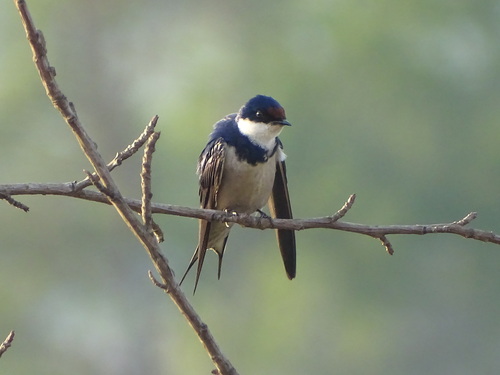
ノドジロツバメ (Hirundo albigularis) ノドジロツバメ
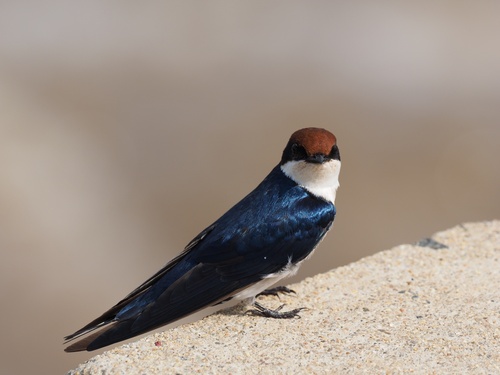
ハリオツバメ (Hirundo smithii) ハリオツバメ

メディア

読み込み中…

要点

最も信頼できるフィールドマークは尾です:成鳥のハリオツバメは非常に長く、糸状の外尾羽(「ワイヤー」)を示しますが、ノドジロツバメはワイヤーのない深く分かれたより広い尾を持っています。両種の幼鳥は完全な尾の特徴を欠いているため、頭部と腹部を見てください:ノドジロツバメは白い喉が暗い胸のバンドによって腹部と鋭く分かれていますが、ハリオツバメは胸のバンドのないきれいな白い腹部を持っています。両種は成鳥として栗色の冠を持っていますが、幼鳥は鈍く、茶色がかっています。飛行中は尾の下側を見てください:ノドジロツバメは羽の先近くに白い斑点を示し、ハリオツバメにはこれがありません。両種は南アフリカの水辺で一般的ですが、ノドジロツバメは特に橋やダムに関連しています。

識別のコツ

  1. 尾の形(成鳥): ハリオツバメの非常に長く、糸状の外尾羽(「ワイヤー」)を探してください。ノドジロツバメはワイヤーのない深く分かれたより広い尾を持っています。これは成鳥にとって最も信頼できるマークです。
  2. 幼鳥の尾: 幼鳥のハリオツバメは尾のワイヤーがなく、短く、あまり分かれていない尾を持ち、幼鳥のノドジロツバメに似ています。若い鳥では尾の形だけに頼らないでください。
  3. 胸のバンド: すべての年齢のノドジロツバメは、白い喉と腹部を鋭く分ける暗い青黒い胸のバンドを持っています。ハリオツバメは胸のバンドを示さず、その白い腹部はきれいで無地です。
  4. 喉と腹部: ノドジロツバメは白い喉、灰白色の腹部、胸のバンドでの鋭いコントラストを持っています。ハリオツバメは、分けるバンドなしで白い喉が他の白い腹部に溶け込んでいます。
  5. 冠の色: 両種は成鳥として栗色の冠を持っていますが、幼鳥は鈍く、茶色がかっています。光が悪い場合や遠くの鳥では、このマークは微妙です。
  6. 上面: 両種は上面が光沢のある青ですが、ノドジロツバメは「光沢のある暗い青」と表現され、ハリオツバメは「明るい青」とされています。この違いはわずかで、フィールドでは信頼できません。
  7. 尾の下側のパターン: ノドジロツバメは尾羽の先近くに白い斑点を示し、飛行中または尾が広げられたときに見えます。ハリオツバメにはこれらの白い尾の下側の斑点がありません。
  8. 止まり姿勢: 止まっているとき、ハリオツバメの尾のワイヤーはしばしば尾の他の部分を超えて引きずられ、特にオスで顕著です。ノドジロツバメの尾は分かれていますが、ワイヤーはありません。
  9. 幼鳥の混乱: 両種の幼鳥は鈍く、冠が茶色がかり、尾が短いです。この場合、胸のバンドの有無(ノドジロ)や、見える場合は尾の下側のパターンに頼ってください。
  10. 性差: オスのハリオツバメはメスよりも長いワイヤーを持っていますが、両性とも成鳥としてワイヤーを持っています。ノドジロツバメは性別間で尾の分かれの長さにわずかな違いを示します。
  11. 生息地の手がかり: 橋やダムの下に巣を作っているのが見られた場合、ノドジロツバメの可能性が高いですが、両種は水辺や人間の居住地の近くで見られます。
  12. 飛行スタイル: 両種は敏捷で速いですが、ハリオツバメは長いワイヤーのために飛行中により繊細で「引きずる」ように見えることがあります。
  13. 声: ノドジロツバメの鳴き声のみが記述されています(さえずりやツイッター);声に頼って分けることはしないでください。
  14. サイズ: ハリオツバメはわずかに重く、長い(ワイヤーを含む)、ですが、これは直接比較以外では信頼できるフィールドマークではありません。
  15. 落とし穴: 完全な成鳥の尾の特徴を欠き、一般的に鈍い幼鳥に注意してください。この場合、胸のバンド(ノドジロツバメにのみ存在)と尾の下側のパターンが最良の区別になります。

大きさ

ハリオツバメはノドジロツバメ(14–17 cm)よりもわずかに重く(12.7 g)長い(ワイヤーを含む最大18 cm)ですが、違いは主に尾のワイヤーによるものです。手に持ったり止まったりすると、両者は同じような比率の小さなツバメであるため、サイズだけでは診断的ではありません。

羽色

行動

両種は速く飛ぶ昆虫食で、水面近くでよく見られます。ハリオツバメはほとんどのツバメよりも水に密接に関連しており、非常に水面近くをすくい上げる姿がよく見られます。ノドジロツバメも水辺によく出没しますが、特に橋やダムの周りで一般的です。両者は目立って止まりますが、ハリオツバメの尾のワイヤーは止まっているときにしばしば明らかです。

生息環境

両種は南アフリカの水辺近くの開けた国に見られます。ノドジロツバメは特に橋やダムのような人工構造物の周りで一般的ですが、ハリオツバメは水域や開けた地域、しばしば人間の居住地の近くに一般的に関連しています。彼らの範囲は広く重なっているため、生息地だけでは診断的ではありません。

声

ノドジロツバメはさえずりやツイッターの混合音を出します。ハリオツバメについては、資料に特有の鳴き声は記述されていないため、声に頼って分けることは信頼できません。

より良い説明を送る

比較と同じ項目を使ってください。文章はすぐに公開されます。

The single most reliable field mark is the tail: adult Wire-tailed Swallow shows extremely long, filamentous outer tail feathers ('wires'), while White-throated Swallow has a deeply forked but broader tail without wires. Juveniles of both species lack the full tail features, so look to the head and underparts: White-throated Swallow has a white throat sharply divided from the underparts by a dark breast band, while Wire-tailed Swallow has a clean white underside without a breast band. Both species have a chestnut crown as adults, but juveniles are duller and browner. In flight, look for the undertail: White-throated Swallow shows white spots near the feather tips, absent in Wire-tailed Swallow. Both are common near water in southern Africa, but White-throated Swallow is especially associated with bridges and dams.

  1. Tail shape (adults): Look for the extremely long, filamentous outer tail feathers ('wires') in Wire-tailed Swallow. White-throated Swallow has a deeply forked but broader tail without wires. This is the most reliable mark for adults.
  2. Tail in juveniles: Juvenile Wire-tailed Swallow lacks tail wires and has a shorter, less forked tail, similar to juvenile White-throated Swallow. Do not rely on tail shape alone in young birds.
  3. Breast band: White-throated Swallow of all ages has a dark blue-black breast band sharply dividing the white throat from the underparts. Wire-tailed Swallow never shows a breast band; its white underparts are clean and unmarked.
  4. Throat and underparts: White-throated Swallow has a white throat, greyish white underparts, and a sharp contrast at the breast band. Wire-tailed Swallow has a white throat that blends into the rest of the white underparts without a dividing band.
  5. Crown color: Both species have a chestnut crown as adults, but juveniles are duller and browner. In poor light or with distant birds, this mark can be subtle.
  6. Upperparts: Both are glossy blue above, but White-throated Swallow is described as 'glossy dark blue,' while Wire-tailed Swallow is 'bright blue.' This difference is slight and unreliable in the field.
  7. Undertail pattern: White-throated Swallow shows white patches near the tips of the undertail feathers, visible in flight or when the tail is spread. Wire-tailed Swallow lacks these white undertail spots.
  8. Perched posture: When perched, the tail wires of Wire-tailed Swallow often trail well beyond the rest of the tail, especially in males. White-throated Swallow's tail is forked but lacks wires.
  9. Juvenile confusion: Both species' juveniles are duller, with browner crowns and shorter tails. In this case, rely on the presence (White-throated) or absence (Wire-tailed) of the breast band, and undertail pattern if visible.
  10. Sex differences: Male Wire-tailed Swallow has longer wires than the female, but both sexes have wires as adults. White-throated Swallow shows only a slight difference in tail fork length between sexes.
  11. Habitat clues: If seen nesting under a bridge or dam, White-throated Swallow is more likely, but both species can be found near water and human habitation.
  12. Flight style: Both species are agile and fast, but Wire-tailed Swallow may appear more delicate and 'draggy' in flight due to the long wires.
  13. Voice: Only White-throated Swallow's call is described (warbles and twitters); do not rely on voice for separation.
  14. Size: Wire-tailed Swallow is slightly heavier and longer (with wires), but this is not a reliable field mark except in direct comparison.
  15. Pitfalls: Beware of juvenile birds, which lack the full adult tail features and are generally duller. In these cases, the breast band (present only in White-throated Swallow) and undertail pattern are the best separators.

Wire-tailed Swallow is slightly heavier (12.7 g) and longer (up to 18 cm, including wires) than White-throated Swallow (14–17 cm), but the difference is mainly due to the tail wires. In the hand or perched, both are small swallows with similar proportions, so size alone is rarely diagnostic.

  • Juveniles: Both species are duller than adults, but juvenile White-throated Swallow has a browner crown and shorter tail forks, while juvenile Wire-tailed Swallow has a brown crown, back, and tail, and lacks the tail wires. The breast band is present in White-throated Swallow of all ages, absent in Wire-tailed Swallow.
  • Adults: White-throated Swallow has glossy dark blue upperparts, a bright chestnut crown, a white throat sharply separated from the greyish white underparts by a dark blue-black breast band, and white patches near the tips of the undertail feathers. Wire-tailed Swallow has bright blue upperparts, a bright white underside, a chestnut cap, and extremely long filamentous outer tail feathers (wires) in adults. The underparts are clean white without a breast band, and the undertail lacks white spots.
  • Sexes: Both species are similar in appearance; male Wire-tailed Swallow has longer wires than the female.

Both species are fast-flying insectivores, often seen low over water. Wire-tailed Swallow is more closely associated with water than most swallows and is often seen skimming very close to the surface. White-throated Swallow also frequents water but is especially common around bridges and dams. Both perch conspicuously, but Wire-tailed Swallow's tail wires are often obvious when perched.

Both species are found in open country near water in southern Africa. White-throated Swallow is especially common around man-made structures like bridges and dams, while Wire-tailed Swallow is more generally associated with water bodies and open areas, often near human habitation. Their ranges overlap widely, so habitat alone is not diagnostic.

White-throated Swallow gives a mix of warbles and twitters. No distinctive vocalization is described for Wire-tailed Swallow in the sources, so voice is not a reliable separator.

変更を破棄しますか?

保存していない編集があります。今離れると失われます。

ノドジロツバメ · ハリオツバメ · 苦手な鳥