

Golondrina Gorjiblanca vs Golondrina Colilarga
Hirundo albigularis frente a Hirundo smithii
Juega un quiz con Golondrina Gorjiblanca y Golondrina Colilarga
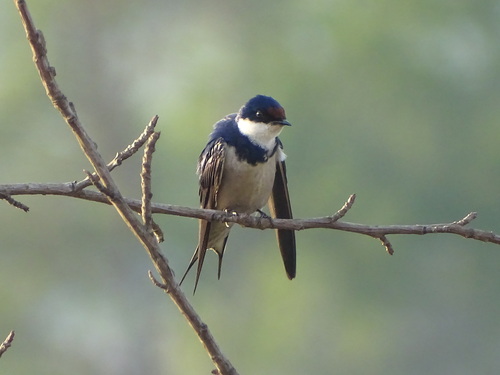 Golondrina Gorjiblanca
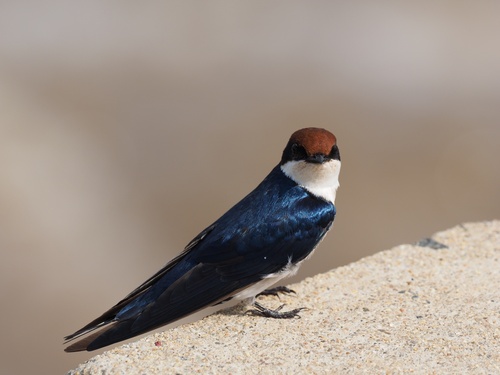 Golondrina Colilarga
En breve
La marca de campo más confiable es la cola: la Golondrina Colilarga adulta muestra plumas de cola externas extremadamente largas y filamentosas ('alambres'), mientras que la Golondrina Gorjiblanca tiene una cola profundamente bifurcada pero más ancha sin alambres. Los juveniles de ambas especies carecen de las características completas de la cola, así que observa la cabeza y las partes inferiores: la Golondrina Gorjiblanca tiene una garganta blanca claramente dividida de las partes inferiores por una banda oscura en el pecho, mientras que la Golondrina Colilarga tiene un vientre blanco limpio sin banda en el pecho. Ambas especies tienen una corona castaña como adultos, pero los juveniles son más apagados y marrones. En vuelo, busca la parte inferior de la cola: la Golondrina Gorjiblanca muestra manchas blancas cerca de las puntas de las plumas de la cola, ausentes en la Golondrina Colilarga. Ambas son comunes cerca del agua en el sur de África, pero la Golondrina Gorjiblanca está especialmente asociada con puentes y represas.
Consejos de identificación
- Forma de la cola (adultos): Busca las plumas de cola externas extremadamente largas y filamentosas ('alambres') en la Golondrina Colilarga. La Golondrina Gorjiblanca tiene una cola profundamente bifurcada pero más ancha sin alambres. Esta es la marca más confiable para los adultos.
- Cola en juveniles: La Golondrina Colilarga juvenil carece de alambres en la cola y tiene una cola más corta y menos bifurcada, similar a la Golondrina Gorjiblanca juvenil. No te fíes solo de la forma de la cola en aves jóvenes.
- Banda en el pecho: La Golondrina Gorjiblanca de todas las edades tiene una banda oscura azul-negra en el pecho que divide claramente la garganta blanca de las partes inferiores. La Golondrina Colilarga nunca muestra una banda en el pecho; sus partes inferiores blancas son limpias y sin marcas.
- Garganta y partes inferiores: La Golondrina Gorjiblanca tiene una garganta blanca, partes inferiores blanco grisáceo, y un contraste agudo en la banda del pecho. La Golondrina Colilarga tiene una garganta blanca que se mezcla con el resto de las partes inferiores blancas sin una banda divisoria.
- Color de la corona: Ambas especies tienen una corona castaña como adultos, pero los juveniles son más apagados y marrones. En poca luz o con aves distantes, esta marca puede ser sutil.
- Partes superiores: Ambas son de un azul brillante en la parte superior, pero la Golondrina Gorjiblanca se describe como 'azul oscuro brillante', mientras que la Golondrina Colilarga es 'azul brillante'. Esta diferencia es leve y poco confiable en el campo.
- Patrón de la parte inferior de la cola: La Golondrina Gorjiblanca muestra manchas blancas cerca de las puntas de las plumas de la parte inferior de la cola, visibles en vuelo o cuando la cola está extendida. La Golondrina Colilarga carece de estas manchas blancas en la parte inferior de la cola.
- Postura posada: Cuando está posada, los alambres de la cola de la Golondrina Colilarga a menudo se extienden más allá del resto de la cola, especialmente en los machos. La cola de la Golondrina Gorjiblanca es bifurcada pero carece de alambres.
- Confusión juvenil: Los juveniles de ambas especies son más apagados, con coronas más marrones y colas más cortas. En este caso, confía en la presencia (Golondrina Gorjiblanca) o ausencia (Golondrina Colilarga) de la banda en el pecho, y el patrón de la parte inferior de la cola si es visible.
- Diferencias de sexo: El macho de la Golondrina Colilarga tiene alambres más largos que la hembra, pero ambos sexos tienen alambres como adultos. La Golondrina Gorjiblanca muestra solo una ligera diferencia en la longitud de la bifurcación de la cola entre sexos.
- Pistas de hábitat: Si se ve anidando bajo un puente o represa, es más probable que sea la Golondrina Gorjiblanca, pero ambas especies pueden encontrarse cerca del agua y de la vivienda humana.
- Estilo de vuelo: Ambas especies son ágiles y rápidas, pero la Golondrina Colilarga puede parecer más delicada y 'arrastrada' en vuelo debido a los largos alambres.
- Voz: Solo se describe el canto de la Golondrina Gorjiblanca (trinos y gorjeos); no te fíes de la voz para la separación.
- Tamaño: La Golondrina Colilarga es ligeramente más pesada y más larga (con alambres), pero esta no es una marca de campo confiable excepto en comparación directa.
- Trampas: Ten cuidado con las aves juveniles, que carecen de las características completas de la cola adulta y son generalmente más apagadas. En estos casos, la banda en el pecho (presente solo en la Golondrina Gorjiblanca) y el patrón de la parte inferior de la cola son los mejores separadores.
Tamaño
La Golondrina Colilarga es ligeramente más pesada (12.7 g) y más larga (hasta 18 cm, incluyendo alambres) que la Golondrina Gorjiblanca (14–17 cm), pero la diferencia se debe principalmente a los alambres de la cola. En la mano o posadas, ambas son golondrinas pequeñas con proporciones similares, por lo que el tamaño solo rara vez es diagnóstico.
Plumaje
- Juveniles: Ambas especies son más apagadas que los adultos, pero la Golondrina Gorjiblanca juvenil tiene una corona más marrón y colas más cortas, mientras que la Golondrina Colilarga juvenil tiene una corona, espalda y cola marrones, y carece de los alambres de la cola. La banda en el pecho está presente en la Golondrina Gorjiblanca de todas las edades, ausente en la Golondrina Colilarga.
- Adultos: La Golondrina Gorjiblanca tiene partes superiores de un azul oscuro brillante, una corona castaña brillante, una garganta blanca separada claramente de las partes inferiores blanco grisáceo por una banda oscura azul-negra en el pecho, y manchas blancas cerca de las puntas de las plumas de la parte inferior de la cola. La Golondrina Colilarga tiene partes superiores de un azul brillante, un vientre blanco brillante, una gorra castaña, y plumas de cola externas extremadamente largas y filamentosas (alambres) en los adultos. Las partes inferiores son blancas limpias sin banda en el pecho, y la parte inferior de la cola carece de manchas blancas.
- Sexos: Ambas especies son similares en apariencia; el macho de la Golondrina Colilarga tiene alambres más largos que la hembra.
Comportamiento
Ambas especies son insectívoras de vuelo rápido, a menudo vistas bajo el agua. La Golondrina Colilarga está más asociada con el agua que la mayoría de las golondrinas y a menudo se ve rozando muy cerca de la superficie. La Golondrina Gorjiblanca también frecuenta el agua pero es especialmente común alrededor de puentes y represas. Ambas se posan de manera conspicua, pero los alambres de la cola de la Golondrina Colilarga son a menudo obvios cuando están posadas.
Hábitat
Ambas especies se encuentran en campo abierto cerca del agua en el sur de África. La Golondrina Gorjiblanca es especialmente común alrededor de estructuras hechas por el hombre como puentes y represas, mientras que la Golondrina Colilarga está más generalmente asociada con cuerpos de agua y áreas abiertas, a menudo cerca de la vivienda humana. Sus rangos se superponen ampliamente, por lo que el hábitat solo no es diagnóstico.
Voz
La Golondrina Gorjiblanca emite una mezcla de trinos y gorjeos. No se describe ninguna vocalización distintiva para la Golondrina Colilarga en las fuentes, por lo que la voz no es un separador confiable.
Golondrina Gorjiblanca · Golondrina Colilarga · Mis aves difíciles