

White-throated Swallow vs Wire-tailed Swallow
Hirundo albigularis contro Hirundo smithii
Fai un quiz con White-throated Swallow e Wire-tailed Swallow
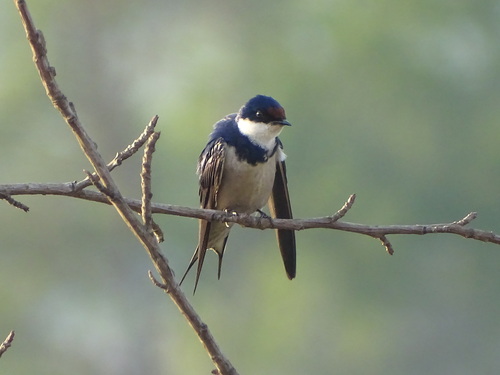 White-throated Swallow
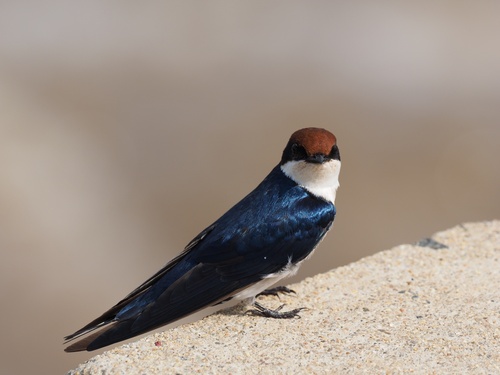 Wire-tailed Swallow
In breve
L'unico segno di campo più affidabile è la coda: l'adulto Wire-tailed Swallow mostra piume della coda esterne estremamente lunghe e filamentose ('fili'), mentre il White-throated Swallow ha una coda profondamente biforcuta ma più ampia senza fili. I giovani di entrambe le specie mancano delle caratteristiche complete della coda, quindi guarda alla testa e alle parti inferiori: il White-throated Swallow ha una gola bianca nettamente divisa dalle parti inferiori da una banda petto scura, mentre il Wire-tailed Swallow ha una parte inferiore bianca pulita senza banda petto. Entrambe le specie hanno una corona castagna da adulte, ma i giovani sono più opachi e marroni. In volo, cerca la parte inferiore della coda: il White-throated Swallow mostra macchie bianche vicino alle punte delle piume, assenti nel Wire-tailed Swallow. Entrambi sono comuni vicino all'acqua nell'Africa meridionale, ma il White-throated Swallow è particolarmente associato a ponti e dighe.
Consigli di identificazione
- Forma della coda (adulti): Cerca le estremamente lunghe piume della coda esterne filamentose ('fili') nel Wire-tailed Swallow. Il White-throated Swallow ha una coda profondamente biforcuta ma più ampia senza fili. Questo è il segno più affidabile per gli adulti.
- Coda nei giovani: Il giovane Wire-tailed Swallow manca di fili nella coda e ha una coda più corta e meno biforcuta, simile al giovane White-throated Swallow. Non fare affidamento solo sulla forma della coda nei giovani uccelli.
- Banda petto: Il White-throated Swallow di tutte le età ha una banda petto blu scuro che divide nettamente la gola bianca dalle parti inferiori. Il Wire-tailed Swallow non mostra mai una banda petto; le sue parti inferiori bianche sono pulite e senza segni.
- Gola e parti inferiori: Il White-throated Swallow ha una gola bianca, parti inferiori grigio-biancastre e un forte contrasto alla banda petto. Il Wire-tailed Swallow ha una gola bianca che si fonde nel resto delle parti inferiori bianche senza una banda divisoria.
- Colore della corona: Entrambe le specie hanno una corona castagna da adulte, ma i giovani sono più opachi e marroni. In scarsa luce o con uccelli distanti, questo segno può essere sottile.
- Parte superiore: Entrambi sono blu lucido sopra, ma il White-throated Swallow è descritto come 'blu scuro lucido', mentre il Wire-tailed Swallow è 'blu brillante'. Questa differenza è lieve e inaffidabile sul campo.
- Schema della parte inferiore della coda: Il White-throated Swallow mostra macchie bianche vicino alle punte delle piume della parte inferiore della coda, visibili in volo o quando la coda è aperta. Il Wire-tailed Swallow manca di queste macchie bianche nella parte inferiore della coda.
- Postura in perching: Quando è in perching, i fili del Wire-tailed Swallow spesso si estendono ben oltre il resto della coda, specialmente nei maschi. La coda del White-throated Swallow è biforcuta ma manca di fili.
- Confusione nei giovani: I giovani di entrambe le specie sono più opachi, con corone più marroni e code più corte. In questo caso, fai affidamento sulla presenza (White-throated) o assenza (Wire-tailed) della banda petto, e sullo schema della parte inferiore della coda se visibile.
- Differenze sessuali: Il maschio Wire-tailed Swallow ha fili più lunghi della femmina, ma entrambi i sessi hanno fili da adulti. Il White-throated Swallow mostra solo una leggera differenza nella lunghezza della biforcazione della coda tra i sessi.
- Indizi sull'habitat: Se visti nidificare sotto un ponte o una diga, è più probabile che sia il White-throated Swallow, ma entrambe le specie possono essere trovate vicino all'acqua e all'abitazione umana.
- Stile di volo: Entrambe le specie sono agili e veloci, ma il Wire-tailed Swallow può apparire più delicato e 'strascicato' in volo a causa dei lunghi fili.
- Voce: Solo il richiamo del White-throated Swallow è descritto (gorgheggi e cinguettii); non fare affidamento sulla voce per la separazione.
- Dimensioni: Il Wire-tailed Swallow è leggermente più pesante e lungo (con fili), ma questo non è un segno di campo affidabile tranne che in confronto diretto.
- Trappole: Fai attenzione agli uccelli giovani, che mancano delle caratteristiche complete della coda adulta e sono generalmente più opachi. In questi casi, la banda petto (presente solo nel White-throated Swallow) e lo schema della parte inferiore della coda sono i migliori separatori.
Taglia
Il Wire-tailed Swallow è leggermente più pesante (12.7 g) e più lungo (fino a 18 cm, inclusi i fili) rispetto al White-throated Swallow (14–17 cm), ma la differenza è principalmente dovuta ai fili della coda. In mano o in perching, entrambi sono piccoli rondini con proporzioni simili, quindi la dimensione da sola è raramente diagnostica.
Piumaggio
- Giovani: Entrambe le specie sono più opache degli adulti, ma il giovane White-throated Swallow ha una corona più marrone e code biforcute più corte, mentre il giovane Wire-tailed Swallow ha una corona, un dorso e una coda marroni, e manca dei fili della coda. La banda petto è presente nel White-throated Swallow di tutte le età, assente nel Wire-tailed Swallow.
- Adulti: Il White-throated Swallow ha parti superiori blu scuro lucido, una corona castagna brillante, una gola bianca nettamente separata dalle parti inferiori grigio-biancastre da una banda petto blu scuro, e macchie bianche vicino alle punte delle piume della parte inferiore della coda. Il Wire-tailed Swallow ha parti superiori blu brillante, una parte inferiore bianca brillante, un cappello castagna, e piume della coda esterne estremamente lunghe e filamentose (fili) negli adulti. Le parti inferiori sono bianche pulite senza una banda petto, e la parte inferiore della coda manca di macchie bianche.
- Sessi: Entrambe le specie sono simili nell'aspetto; il maschio Wire-tailed Swallow ha fili più lunghi della femmina.
Comportamento
Entrambe le specie sono insettivori veloci in volo, spesso visti bassi sopra l'acqua. Il Wire-tailed Swallow è più strettamente associato all'acqua rispetto alla maggior parte delle rondini ed è spesso visto strisciare molto vicino alla superficie. Anche il White-throated Swallow frequenta l'acqua ma è particolarmente comune intorno a ponti e dighe. Entrambi si posano in modo evidente, ma i fili del Wire-tailed Swallow sono spesso ovvi quando sono in perching.
Habitat
Entrambe le specie si trovano in campagna aperta vicino all'acqua nell'Africa meridionale. Il White-throated Swallow è particolarmente comune intorno a strutture artificiali come ponti e dighe, mentre il Wire-tailed Swallow è più generalmente associato a corpi idrici e aree aperte, spesso vicino all'abitazione umana. I loro areali si sovrappongono ampiamente, quindi l'habitat da solo non è diagnostico.
Voce
Il White-throated Swallow emette un mix di gorgheggi e cinguettii. Nessuna vocalizzazione distintiva è descritta per il Wire-tailed Swallow nelle fonti, quindi la voce non è un separatore affidabile.
White-throated Swallow · Wire-tailed Swallow · I miei uccelli difficili