

Motmot

ミナミクロボウシゲラ 対 サンコウチョウ

Mulleripicus fuliginosus 対 Terpsiphone atrocaudata

ミナミクロボウシゲラとサンコウチョウのクイズ
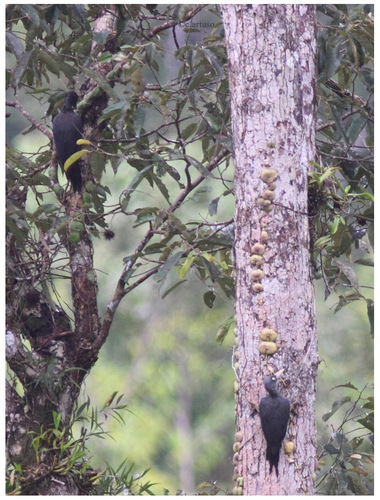
ミナミクロボウシゲラ (Mulleripicus fuliginosus) ミナミクロボウシゲラ
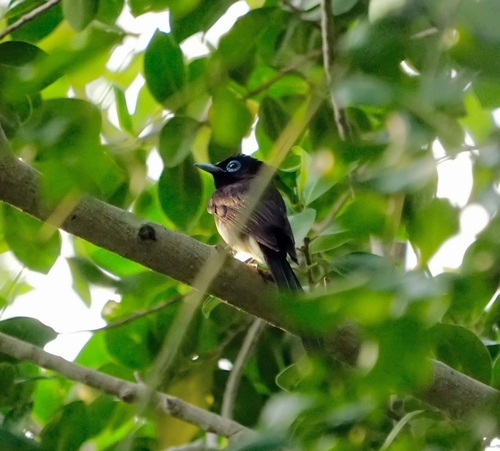
サンコウチョウ (Terpsiphone atrocaudata) サンコウチョウ

メディア

読み込み中…

要点

サンコウチョウとミナミクロボウシゲラを区別する最も信頼できるフィールドマークは全体の構造です:ミナミクロボウシゲラは大きく、重いくちばしを持つ、すすけた鳥で、淡い目と淡い象牙色のくちばしを持っています。一方、サンコウチョウはずっと小さく、細長い体を持ち、短い青いくちばしと、成鳥のオスでは非常に長い黒い尾羽を持っています。未熟な鳥は混乱を引き起こすことがありますが、ミナミクロボウシゲラは常により重く、頑丈な印象を示し、サンコウチョウの栗色の背中と長い尾を欠いています。両者は暗い羽毛を示すことがありますが、サンコウチョウだけが光沢のある黒いフードと栗色の背中を持っています。くちばしの色と形、尾の長さ、頭の模様はすべての年齢で重要です。

識別のコツ

  1. Size and structure: ミナミクロボウシゲラはサンコウチョウよりもはるかに大きく、がっしりとしています。もしその鳥が重そうで、太い首と大きな頭を持っているなら、ミナミクロボウシゲラを考えてください。
  2. Bill: ミナミクロボウシゲラは長くて太い淡い象牙色のくちばしを持ち、サンコウチョウは短くて細い青いくちばしを持っています。くちばしの色と形はすべての年齢で信頼できます。
  3. Tail: 成鳥のオスのサンコウチョウは非常に長い黒い中央尾羽を持ち、しばしば尾の残りの部分を超えて引きずります。メスと未熟な個体は短い尾を持っていますが、それでもミナミクロボウシゲラの尾よりも長く、細いです。ミナミクロボウシゲラの尾は硬く、まっすぐで、幹に対する支持に使われます。
  4. Plumage - overall color: ミナミクロボウシゲラは均一にすすけた灰色または灰色がかった色をしており、時には幼鳥ではより茶色がかっていますが、常にすすけた全体のトーンと淡いくちばしを保っています。サンコウチョウは常に光沢のある黒いフードと栗色の背中(成鳥と未熟個体)を持ち、白またはオフホワイトの腹部を持っています。
  5. Head pattern: オスのミナミクロボウシゲラはくちばしの基部から頬まで明るい赤い頬の斑点を持ち、サンコウチョウにはありません。サンコウチョウは青いアイリングと光沢のある黒いフード(オス)または鈍い暗いフード(メス)を持っています。
  6. Eye color: ミナミクロボウシゲラは淡い目を持ち、サンコウチョウは青いアイリングを持つ大きな暗い目を持っています。
  7. Bill color: ミナミクロボウシゲラのくちばしは淡い象牙色で、サンコウチョウのくちばしは青黒いです。
  8. Flight style: ミナミクロボウシゲラは強い、波打つような羽ばたきで飛び、サンコウチョウはひらひらとした敏捷な飛び方をし、しばしば昆虫を追いかけます。
  9. Perching behavior: ミナミクロボウシゲラは幹や枝を登り、しばしば垂直に移動します。サンコウチョウは細い枝に直立して止まり、幹にはめったに止まりません。
  10. Habitat: ミナミクロボウシゲラはミンダナオ、レイテ、サマールの低地の原生林に限定されており、渡りの際にはより広範囲の森林の生息地で見られます。
  11. Drumming: ミナミクロボウシゲラだけが木を叩いて音を出します。これを聞くことは診断的です。
  12. Juvenile confusion: 幼鳥のミナミクロボウシゲラはより茶色がかり、斑点が目立ちますが、決して栗色や白い腹部を示しません。未熟なサンコウチョウはすでに栗色の背中と白い腹部を示します。
  13. Sexual dimorphism: オスのミナミクロボウシゲラは赤い頬の斑点を持ち、オスのサンコウチョウは非常に長い尾と光沢のある黒いフードを持っています。両種のメスは鈍いですが、ミナミクロボウシゲラの構造とくちばしは依然として特徴的です。
  14. Spotting: ミナミクロボウシゲラは北部のミナミクロボウシゲラよりも首と顔に大きな白い斑点を示し、サンコウチョウはこれらの斑点を全く持っていません。
  15. Context: フィリピンのミンダナオ、レイテ、サマール以外で見られた場合、ミナミクロボウシゲラは可能性が低いです。渡り中やエッジの生息地で見られた場合、サンコウチョウの方が可能性が高いです。

大きさ

ミナミクロボウシゲラはサンコウチョウよりもはるかに大きく、がっしりとしています。サンコウチョウの体重は約18.7 g [wikidata]で、ミナミクロボウシゲラはその科の中では大きいとされています [wikipedia]。フィールドでは明らかに重く、頑丈です。ミナミクロボウシゲラはまた、はるかに厚く、長いくちばしとより強力な体格を持っています。それに対して、サンコウチョウは中型の雀類で、細長い体を持ち、オスでは劇的に長い尾を持ち、それがより長く見えることがありますが、決してミナミクロボウシゲラほど大きくはありません。

羽色

幼鳥と未熟なミナミクロボウシゲラは成鳥よりもわずかに茶色がかり、斑点がより目立ちますが、常にすすけた全体のトーンと淡いくちばしを保っています。彼らは栗色や白い腹部を欠いています。それに対して、サンコウチョウの未熟個体(特にオス)は成鳥よりも短い尾羽を持っていますが、すでに特徴的な栗色のマントル、背中、翼、尾を示し、黒っぽいフードとオフホワイトから白の腹部を持っています。成鳥のオスのサンコウチョウは光沢のある黒で、フードに紫がかった青い光沢があり、栗色の上面と非常に長い黒い中央尾羽を持っています。メスは鈍いですが、依然として栗色の背中と暗いフードを示します。ミナミクロボウシゲラは決して栗色や白い腹部、光沢のある黒いフードを示さず、代わりに均一にすすけた色で、頭に細かい斑点があり、淡い目と象牙色のくちばしを持っています。オスは明るい赤い頬の斑点を持ち、両性とも北部のミナミクロボウシゲラと比較して首と顔に大きな白い斑点を示します。サンコウチョウは青いアイリングと青いくちばしを持ち、ミナミクロボウシゲラのくちばしは淡い象牙色で、はるかに頑丈です。

行動

ミナミクロボウシゲラは通常、幹や枝を登り、典型的なキツツキのスタイルで木を叩く音を立てながら、木を叩く音を立てることが多いです。サンコウチョウははるかに活発でアクロバティックで、しばしば止まり木から飛び出して空中で昆虫を捕まえるのが見られ、オスは飛行中に長い尾を見せます。サンコウチョウは直立して止まり、樹冠や中層をひらひらと移動しているのが見られることが多く、幹にはめったに止まりません。飛行スタイルも異なります:ミナミクロボウシゲラは強い、直接的な飛行をし、波打つような羽ばたきを持ち、サンコウチョウは敏捷でひらひらとし、しばしば尾を扇形に広げます。

生息環境

ミナミクロボウシゲラはフィリピンのミンダナオ、レイテ、サマールの低地の森林に特有で、厳密に森林の鳥で、通常は成熟したまたは原生の森林にいます。サンコウチョウはフィリピン北部での渡り鳥または繁殖者であり、フィリピンを含む東南アジア全体で冬を越しますが、渡りの際には森林の縁、二次成長、時には庭やプランテーションで見られることが多いです。ミナミクロボウシゲラは生息地の専門家ですが、サンコウチョウはより柔軟で、特に渡りの際にはより広範囲の森林の生息地で見られます。

声

ミナミクロボウシゲラは高音のチップ音やきしみ音を出し、木をつつくときに強力で加速するドラムロールを生成します。サンコウチョウはここでは詳細に説明されていませんが、ドラムを叩かず、一般的により音楽的または口笛のような呼び声を持っています。ミナミクロボウシゲラのドラム音は独特で、聞こえた場合は診断的です。

より良い説明を送る

比較と同じ項目を使ってください。文章はすぐに公開されます。

The most reliable field mark to separate Southern Sooty-Woodpecker from Black Paradise-Flycatcher is overall structure: the woodpecker is a large, heavy-billed, sooty bird with pale eyes and a pale ivory bill, while the flycatcher is a much smaller, slender bird with a short blue bill and, in adult males, extremely long black tail streamers. Immature birds may cause confusion, but the woodpecker always shows a heavier, more robust jizz and lacks the flycatcher's chestnut back and long tail. Both can show dark plumage, but only the flycatcher ever has a glossy black hood and chestnut back. Bill color and shape, tail length, and head pattern are key in all ages.

  1. Size and structure: Southern Sooty-Woodpecker is much larger and bulkier than Black Paradise-Flycatcher. If the bird appears heavy, with a thick neck and large head, think woodpecker.
  2. Bill: The woodpecker has a long, thick, pale ivory bill, while the flycatcher has a short, slender blue bill. Bill color and shape are reliable at all ages.
  3. Tail: Adult male Black Paradise-Flycatchers have extremely long black central tail feathers, often trailing well past the rest of the tail. Females and immatures have shorter tails, but still longer and more slender than the woodpecker's. The woodpecker's tail is stiff, straight, and used for support against trunks.
  4. Plumage - overall color: The woodpecker is uniformly sooty or ashy gray, sometimes browner in juveniles, with fine head speckling. The flycatcher always shows a glossy black hood and chestnut back (adults and immatures), with white or off-white underparts.
  5. Head pattern: Male woodpeckers have a bright red cheek patch from the base of the bill to the cheek, absent in the flycatcher. The flycatcher has a blue eye-ring and a glossy black hood (male) or duller dark hood (female).
  6. Eye color: The woodpecker has pale eyes; the flycatcher has a large dark eye with a blue eye-ring.
  7. Bill color: The woodpecker's bill is pale ivory; the flycatcher's is blue-black.
  8. Flight style: Woodpecker flies with strong, undulating wingbeats; flycatcher is fluttery and agile, often sallying after insects.
  9. Perching behavior: Woodpecker climbs trunks and branches, often vertical; flycatcher perches upright on thin branches, rarely on trunks.
  10. Habitat: Woodpecker is restricted to lowland primary forest in Mindanao, Leyte, and Samar; flycatcher is more widespread and can be found in a variety of wooded habitats, especially during migration.
  11. Drumming: Only the woodpecker drums on wood; hearing this is diagnostic.
  12. Juvenile confusion: Juvenile woodpeckers are browner with more spotting but never show chestnut or white underparts. Immature flycatchers already show chestnut back and white belly.
  13. Sexual dimorphism: Male woodpeckers have a red cheek patch; male flycatchers have extremely long tails and a glossy black hood. Females of both species are duller, but the woodpecker's structure and bill remain distinctive.
  14. Spotting: Woodpecker shows larger white spots on neck and face than the northern sooty woodpecker; flycatcher lacks these spots entirely.
  15. Context: If seen in the Philippines outside Mindanao, Leyte, or Samar, woodpecker is unlikely. If seen in migration or in edge habitats, flycatcher is more probable.

Southern Sooty-Woodpecker is much larger and bulkier than Black Paradise-Flycatcher. The flycatcher weighs about 18.7 g [wikidata], while the woodpecker is described as large for its family [wikipedia], and is visibly heavier and more robust in the field. The woodpecker also has a much thicker, longer bill and a more powerful build. In contrast, the flycatcher is a medium-sized passerine with a slender body and, in males, a dramatically long tail that can make it appear longer but never as massive as the woodpecker.

Juvenile and immature Southern Sooty-Woodpeckers are slightly browner than adults, with more apparent spotting, but always retain a sooty overall tone and pale bill. They lack any chestnut or white underparts. In contrast, Black Paradise-Flycatcher immatures (especially males) have shorter tail streamers than adults but already show the distinctive chestnut mantle, back, wings, and rump, with a blackish hood and off-white to white underparts. Adult male flycatchers are glossy black with a purplish-blue sheen on the hood, chestnut upperparts, and extremely long black central tail feathers. Females are duller but still show the chestnut back and dark hood. The woodpecker never shows chestnut, white underparts, or a glossy black hood; instead, it is uniformly sooty with fine speckling on the head, pale eyes, and an ivory bill. Males have a bright red cheek patch, and both sexes show larger white spots on the neck and face compared to the northern sooty woodpecker. The flycatcher has a blue eye-ring and blue bill, while the woodpecker's bill is pale ivory and much more robust.

Southern Sooty-Woodpecker is typically seen climbing trunks and branches, hitching up trees in classic woodpecker fashion, and often drumming loudly on wood. It is rarely seen sallying or flycatching. Black Paradise-Flycatcher is much more active and acrobatic, often seen sallying from perches to catch insects in mid-air, and males display their long tails in flight. The flycatcher perches upright and is much more likely to be seen flitting through the midstory or canopy, rarely on trunks. Flight style is also different: the woodpecker has a strong, direct flight with undulating wingbeats, while the flycatcher is agile, fluttery, and often fans its tail.

Southern Sooty-Woodpecker is endemic to lowland forests of Mindanao, Leyte, and Samar in the Philippines, and is strictly a forest bird, usually in mature or primary forest. Black Paradise-Flycatcher is a migrant or breeder in the northern Philippines and winters throughout Southeast Asia, including the Philippines, but is more often found in forest edges, secondary growth, and sometimes gardens or plantations during migration. The woodpecker is a habitat specialist, while the flycatcher is more flexible and can be seen in a wider range of wooded habitats, especially during migration.

Southern Sooty-Woodpecker gives high-pitched chips and squeaks, and produces a powerful, accelerating drumroll when pecking wood. Black Paradise-Flycatcher is not described in detail here, but does not drum and is generally more musical or whistled in its calls. The woodpecker's drumming is unique and diagnostic if heard.

変更を破棄しますか?

保存していない編集があります。今離れると失われます。

ミナミクロボウシゲラ · サンコウチョウ · 苦手な鳥