

Southern Sooty-Woodpecker vs Black Paradise-Flycatcher
Mulleripicus fuliginosus contro Terpsiphone atrocaudata
Fai un quiz con Southern Sooty-Woodpecker e Black Paradise-Flycatcher
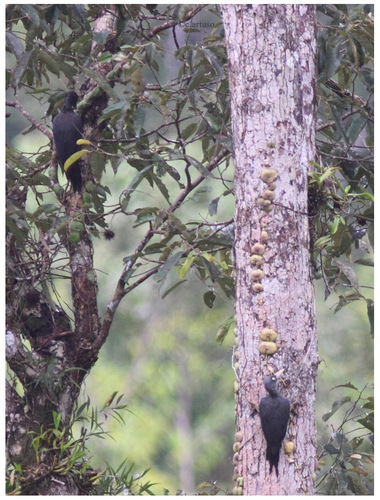 Southern Sooty-Woodpecker
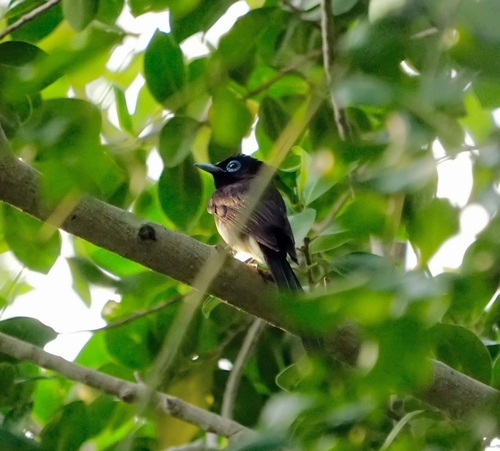 Black Paradise-Flycatcher
In breve
Il segno di campo più affidabile per separare il Southern Sooty-Woodpecker dal Black Paradise-Flycatcher è la struttura complessiva: il picchio è un uccello grande, con un becco pesante, scuro, con occhi chiari e un becco d'avorio pallido, mentre il moschino è un uccello molto più piccolo e snello con un becco blu corto e, nei maschi adulti, estremamente lunghe streamers di coda nere. Gli uccelli immaturi possono causare confusione, ma il picchio mostra sempre un aspetto più pesante e robusto e manca del dorso castano e della lunga coda del moschino. Entrambi possono mostrare piumaggio scuro, ma solo il moschino ha mai un cappuccio nero lucido e un dorso castano. Il colore e la forma del becco, la lunghezza della coda e il motivo della testa sono fondamentali in tutte le età.
Consigli di identificazione
- Dimensioni e struttura: Il Southern Sooty-Woodpecker è molto più grande e robusto del Black Paradise-Flycatcher. Se l'uccello appare pesante, con un collo spesso e una grande testa, pensa al picchio.
- Becco: Il picchio ha un becco lungo, spesso e d'avorio pallido, mentre il moschino ha un becco blu corto e snello. Il colore e la forma del becco sono affidabili in tutte le età.
- Coda: I maschi adulti del Black Paradise-Flycatcher hanno piume centrali della coda nere estremamente lunghe, spesso si estendono ben oltre il resto della coda. Le femmine e gli immaturi hanno code più corte, ma comunque più lunghe e più snelle di quelle del picchio. La coda del picchio è rigida, dritta e utilizzata per il supporto contro i tronchi.
- Piumaggio - colore generale: Il picchio è uniformemente scuro o grigio cenere, a volte più marrone nei giovani, con una fine maculatura sulla testa. Il moschino mostra sempre un cappuccio nero lucido e un dorso castano (adulti e immaturi), con parti inferiori bianche o avorio.
- Motivo della testa: I picchi maschi hanno una macchia rossa brillante sulla guancia dalla base del becco alla guancia, assente nel moschino. Il moschino ha un anello oculare blu e un cappuccio nero lucido (maschio) o un cappuccio scuro più opaco (femmina).
- Colore degli occhi: Il picchio ha occhi chiari; il moschino ha un grande occhio scuro con un anello oculare blu.
- Colore del becco: Il becco del picchio è d'avorio pallido; quello del moschino è blu-nero.
- Stile di volo: Il picchio vola con forti battiti d'ali ondulati; il moschino è fluttuante e agile, spesso in volo per catturare insetti.
- Comportamento di posarsi: Il picchio scala tronchi e rami, spesso in verticale; il moschino si posiziona eretto su rami sottili, raramente su tronchi.
- Habitat: Il picchio è limitato alla foresta primaria di pianura a Mindanao, Leyte e Samar; il moschino è più diffuso e può essere trovato in una varietà di habitat boschivi, specialmente durante la migrazione.
- Battere: Solo il picchio batte sul legno; sentire questo è diagnostico.
- Confusione giovanile: I picchi giovanili sono più marroni con più maculature ma non mostrano mai parti inferiori castane o bianche. I moschini immaturi mostrano già un dorso castano e una pancia bianca.
- Dimorfismo sessuale: I picchi maschi hanno una macchia rossa sulla guancia; i maschi moschini hanno code estremamente lunghe e un cappuccio nero lucido. Le femmine di entrambe le specie sono più opache, ma la struttura e il becco del picchio rimangono distintivi.
- Maculature: Il picchio mostra macchie bianche più grandi sul collo e sul viso rispetto al picchio scuro settentrionale; il moschino non ha affatto queste macchie.
- Contesto: Se visto nelle Filippine al di fuori di Mindanao, Leyte o Samar, è improbabile che si tratti di un picchio. Se visto in migrazione o in habitat di confine, è più probabile che si tratti di un moschino.
Taglia
Il Southern Sooty-Woodpecker è molto più grande e robusto del Black Paradise-Flycatcher. Il moschino pesa circa 18,7 g [wikidata], mentre il picchio è descritto come grande per la sua famiglia [wikipedia], ed è visibilmente più pesante e robusto sul campo. Il picchio ha anche un becco molto più spesso e lungo e una struttura più potente. Al contrario, il moschino è un passeriforme di dimensioni medie con un corpo snello e, nei maschi, una coda drammaticamente lunga che può farlo apparire più lungo ma mai massiccio come il picchio.
Piumaggio
I Southern Sooty-Woodpeckers giovanili e immaturi sono leggermente più marroni degli adulti, con maculature più evidenti, ma mantengono sempre un tono scuro complessivo e un becco pallido. Mancano di qualsiasi parte inferiore castana o bianca. Al contrario, i moschini immaturi del Black Paradise-Flycatcher (soprattutto i maschi) hanno streamers di coda più corte rispetto agli adulti ma mostrano già il caratteristico mantello castano, dorso, ali e groppa, con un cappuccio nerastro e parti inferiori da avorio a bianche. I maschi adulti dei moschini sono neri lucidi con una lucentezza blu-porpora sul cappuccio, parti superiori castane e piume centrali della coda nere estremamente lunghe. Le femmine sono più opache ma mostrano comunque il dorso castano e il cappuccio scuro. Il picchio non mostra mai castano, parti inferiori bianche o un cappuccio nero lucido; invece, è uniformemente scuro con una fine maculatura sulla testa, occhi chiari e un becco d'avorio. I maschi hanno una macchia rossa brillante sulla guancia, e entrambi i sessi mostrano macchie bianche più grandi sul collo e sul viso rispetto al picchio scuro settentrionale. Il moschino ha un anello oculare blu e un becco blu, mentre il becco del picchio è d'avorio pallido e molto più robusto.
Comportamento
Il Southern Sooty-Woodpecker è tipicamente visto mentre scala tronchi e rami, arrampicandosi sugli alberi in modo classico da picchio, e spesso batte rumorosamente sul legno. È raramente visto mentre si lancia o cattura insetti. Il Black Paradise-Flycatcher è molto più attivo e acrobatico, spesso visto mentre si lancia da posatoi per catturare insetti in volo, e i maschi mostrano le loro lunghe code in volo. Il moschino si posiziona eretto ed è molto più probabile essere visto mentre si muove attraverso il sottobosco o la chioma, raramente sui tronchi. Anche lo stile di volo è diverso: il picchio ha un volo forte e diretto con battiti d'ali ondulati, mentre il moschino è agile, fluttuante e spesso apre la coda.
Habitat
Il Southern Sooty-Woodpecker è endemico delle foreste di pianura di Mindanao, Leyte e Samar nelle Filippine, ed è strettamente un uccello di foresta, di solito in foreste mature o primarie. Il Black Paradise-Flycatcher è un migratore o un riproduttore nel nord delle Filippine e trascorre l'inverno in tutto il sud-est asiatico, comprese le Filippine, ma è più spesso trovato ai margini delle foreste, in crescita secondaria e talvolta in giardini o piantagioni durante la migrazione. Il picchio è uno specialista dell'habitat, mentre il moschino è più flessibile e può essere visto in una gamma più ampia di habitat boschivi, specialmente durante la migrazione.
Voce
Il Southern Sooty-Woodpecker emette cinguettii e squeaks acuti, e produce un potente e accelerato tamburellare quando becca il legno. Il Black Paradise-Flycatcher non è descritto in dettaglio qui, ma non tamburella ed è generalmente più musicale o fischiato nei suoi richiami. Il tamburellare del picchio è unico e diagnostico se udito.
Southern Sooty-Woodpecker · Black Paradise-Flycatcher · I miei uccelli difficili