

Motmot

オオハシカッコウ 対 ミゾハシカッコウ

Crotophaga ani 対 Crotophaga sulcirostris

オオハシカッコウとミゾハシカッコウのクイズ
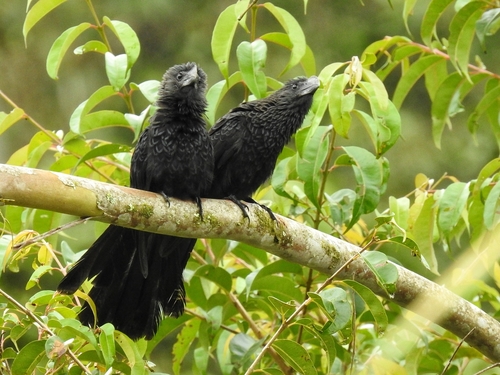
オオハシカッコウ (Crotophaga ani) オオハシカッコウ
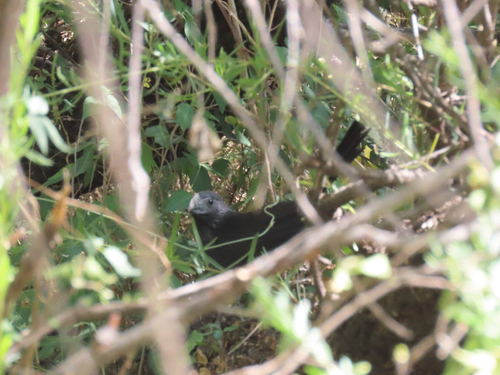
ミゾハシカッコウ (Crotophaga sulcirostris) ミゾハシカッコウ

メディア

読み込み中…

要点

スムースビルアニとミゾビルアニの最も信頼できるフィールドマークはくちばしです:スムースビルアニは、明らかに深く、より膨らんだくちばしを持ち、上部のリッジは滑らかですが、ミゾビルアニは上顎に沿って明確な縦の溝を示します。両種は光沢のある黒色で長い尾を持ち、特に一部のスムースビルアニが部分的な溝を示し、くちばしのサイズが重なるため、混乱を招くことがあります。サイズは役立ちますが微妙です:スムースビルアニは一般的によりがっしりとして重いです。声と範囲は、特に両種が共存する場所では、フィールドでの最も実用的な区別要素です。飛行スタイルと群れの行動は似ているため、くちばしの形状と声に注意を払うことが重要です。

識別のコツ

  1. くちばしの形状が主なフィールドマークです: スムースビルアニは、滑らかまたはわずかに溝のある上部リッジを持つ深く膨らんだくちばしを持ち、ミゾビルアニのくちばしはより細く、常に上顎に沿って明確な縦の溝を示します。このマークはすべての年齢と性別に適用されます。
  2. くちばしのサイズの重複に注意: 一部のスムースビルアニはミゾビルアニと同じくらい小さなくちばしを持ち、基部にわずかな溝を示すことがあります。常にくちばしの全体的な深さと膨らみを確認し、溝だけでなく確認してください。
  3. サイズと体格: スムースビルアニは一般的に重く、がっしりしています(97 g 対 74.5 g)が、これは微妙で、両種が一緒に見られるときに最も良いです。
  4. 尾の長さと形状: 両種は体とほぼ同じくらい長い非常に長い黒い尾を持っています。尾の形状は信頼できる区別要素ではありません。
  5. 羽毛: 両者はすべての年齢で光沢のある黒色で、重要な色やパターンの違いはありません。分離のために羽毛に依存しないでください。
  6. 飛行スタイル: 両種は交互のフラップと滑空を伴う弱く、揺れた、または切れた飛行を示します。飛行の特徴は似ており、診断的ではありません。
  7. 群れの行動: 両種は社交的で騒がしく、しばしば群れで見られます。社会的行動は彼らを区別しません。
  8. 生息地: 両種は開けた国や半開けた国、田畑や牧草地に生息します。生息地は範囲が重なる場所では信頼できる区別要素ではありません。
  9. 声: スムースビルアニは特徴的な「ウーリーク」という鳴き声を出し、聞こえた場合は特異です。ミゾビルアニの鳴き声は異なり、声はフィールドでの最良の区別要素です。
  10. 範囲: 南テキサスと北メキシコでは、ミゾビルアニのみが生息します。南フロリダとカリブ海では、スムースビルアニのみが存在します。重複ゾーンでは、くちばしと声を使用してください。
  11. 虹彩の色: スムースビルアニは茶色の虹彩を持つことが知られていますが、これは微妙で、通常フィールドでは見えません。
  12. 採餌行動: 両種は地面で採餌し、家畜からダニを取り除くことがありますが、これは区別要素ではありません。
  13. 巣と繁殖: 両種は共同で巣を作りますが、これは同定のためのフィールドマークではありません。
  14. 季節的存在: ミゾビルアニは冬にその範囲の北端から撤退しますが、スムースビルアニはその範囲全体に常駐します。
  15. 疑問がある場合: くちばしの形状と溝に焦点を当て、鳴き声を聞いてください。両方があいまいな場合は、範囲と季節を考慮してください。

大きさ

スムースビルアニは二つの中で大きく、平均体重は約97 gで、ミゾビルアニの74.5 gと比較されます [wikidata]。長さでは、スムースビルアニは平均35 cm(14インチ)、ミゾビルアニは約34 cm(13インチ)です [wikipedia]。フィールドでは微妙な違いですが、スムースビルアニはしばしばがっしりとして重い体に見え、特にミゾビルアニと一緒に見られるときにそうです。両者は長い尾を持っていますが、スムースビルアニの全体的な比率はわずかに頑丈です。

羽色

両種は全体的に光沢のある黒色で、情報源には季節的または年齢に関連する色の違いは特に記載されていません。幼鳥や未成熟の羽毛は、どちらの種でも明確または診断的に異なるとは記載されておらず、若い鳥のための特定の上翼や飛行パターンのマークもありません。主な違いは羽毛ではなく、くちばしの構造にあります:ミゾビルアニは常に上顎に沿って明らかな溝を示しますが、スムースビルアニのくちばしはより深く、膨らんでおり、通常は滑らかです(ただし、一部の個体は基部にわずかな溝を示すことがあります)。両者は長い黒い尾を持ち、すべての年齢で対照的なパネルや翼のマークがありません。

行動

両種は非常に社交的で、通常は騒がしい群れで見られます。彼らは主に地面で餌を取り、跳ねるのではなく走り、しばしば開けた場所で採餌します。飛行中、両者は交互のフラップと滑空を伴う弱く、揺れた、または切れた飛行を示し、どちらも空中で特に強力または直接的ではありません。スムースビルアニは特に社交的で目立つとされていますが、これはミゾビルアニとの信頼できる区別要素ではなく、ミゾビルアニも群れを形成します。両種は、昆虫やダニを取り除くために家畜と一緒にいるのが見られることがあります。

生息環境

両アニは開けたおよび半開けた生息地を好み、牧草地、耕作された田畑、サバンナ、果樹園を含みます。スムースビルアニは南フロリダからカリブ海、南アメリカの大部分に広がっており、ミゾビルアニは南テキサスとメキシコから中央アメリカを経て南アメリカ北部および太平洋岸に分布しています。彼らの範囲が重なる場所(例:中央アメリカの一部や南アメリカ北部)では、生息地の好みは非常に似ており、信頼できるフィールドの区別要素ではありません。ミゾビルアニは範囲の北端(例:南テキサス)で見つかる可能性が高く、スムースビルアニはそこには存在しません。

声

声はフィールドでの最も実用的な区別要素です。スムースビルアニは特徴的な「ウーリーク」という鳴き声を出します。ミゾビルアニの鳴き声はここでは詳細に記載されていませんが、両種は重複する場所で声によって最もよく区別されることが知られています。スムースビルアニの特徴的な鳴き声を聞いた場合、それは診断的です。ミゾビルアニの鳴き声は一般的に高音で、引き延ばされることは少ないですが、常に地元のガイドで具体的な情報を確認してください。

より良い説明を送る

比較と同じ項目を使ってください。文章はすぐに公開されます。

The most reliable field mark between Smooth-billed Ani and Groove-billed Ani is the bill: Smooth-billed Ani has a noticeably deeper, more swollen bill with a smoother upper ridge, while Groove-billed Ani shows distinct lengthwise grooves along the upper mandible. Both species are glossy black with long tails and can be confusing, especially as some Smooth-billed Anis show partial grooves and bill size overlaps. Size is helpful but subtle: Smooth-billed Ani is generally bulkier and heavier. Voice and range are often the most practical separators in the field, especially where both species may occur. Flight style and group behavior are similar, so careful attention to bill shape and vocalizations is key.

  1. Bill shape is the primary field mark: Smooth-billed Ani has a deep, swollen bill with a smooth or only faintly grooved upper ridge; Groove-billed Ani's bill is more slender and always shows distinct lengthwise grooves along the upper mandible. This mark works for all ages and sexes.
  2. Beware overlap in bill size: Some Smooth-billed Anis may have bills as small as Groove-billed, and may show faint grooves at the base. Always check for overall depth and swelling of the bill, not just grooves.
  3. Size and bulk: Smooth-billed Ani is generally heavier and bulkier (97 g vs 74.5 g), but this is subtle and best used when both species are seen together.
  4. Tail length and shape: Both species have very long, black tails nearly as long as the body. Tail shape is not a reliable separator.
  5. Plumage: Both are glossy black at all ages, with no significant color or pattern differences. Do not rely on plumage for separation.
  6. Flight style: Both species have weak, wobbly, or choppy flight with alternating flaps and glides. Flight jizz is similar and not diagnostic.
  7. Group behavior: Both are gregarious and noisy, often in groups. Social behavior does not separate them.
  8. Habitat: Both occur in open and semi-open country, including fields and pastures. Habitat is not a reliable separator where ranges overlap.
  9. Voice: Smooth-billed Ani gives a whining 'ooo-leeek' call, distinctive if heard. Groove-billed Ani's calls are different; voice is often the best separator in the field.
  10. Range: In southern Texas and northern Mexico, only Groove-billed Ani occurs. In southern Florida and the Caribbean, only Smooth-billed Ani is present. In overlap zones, use bill and voice.
  11. Iris color: Smooth-billed Ani is noted to have a brown iris, but this is subtle and not usually visible in the field.
  12. Feeding behavior: Both forage on the ground and may pick ticks from livestock; this is not a separator.
  13. Nest and breeding: Both species nest communally, but this is not a field mark for identification.
  14. Seasonal presence: Groove-billed Ani withdraws from the northern edge of its range in winter; Smooth-billed Ani is resident throughout its range.
  15. When in doubt: Focus on bill shape and grooves, and listen for calls. If both are ambiguous, consider range and season.

Smooth-billed Ani is the larger of the two, with an average body mass of about 97 g compared to Groove-billed Ani's 74.5 g [wikidata]. In length, Smooth-billed averages 35 cm (14 in), while Groove-billed averages about 34 cm (13 in) [wikipedia]. The difference is subtle in the field, but Smooth-billed Ani often appears bulkier and heavier-bodied, especially when seen alongside Groove-billed. Both have long tails, but Smooth-billed's overall proportions are slightly more robust.

Both species are glossy black overall, with no significant seasonal or age-related color differences noted in the sources. Juvenile and immature plumages are not described as distinct or diagnostic in either species, and there are no specific upperwing or flight pattern marks for young birds. The key difference is not in plumage but in bill structure: Groove-billed Ani always shows obvious grooves running lengthwise along the upper mandible, while Smooth-billed Ani's bill is deeper, more swollen, and typically smooth (though some individuals may show faint grooves at the base). Both have long, black tails and lack contrasting panels or wing marks at all ages.

Both species are highly social, usually found in noisy groups. They feed mostly on the ground, running rather than hopping, and often forage in open areas. In flight, both exhibit weak, wobbly, or choppy flight with alternating flaps and glides, and neither is particularly strong or direct in the air. Smooth-billed Ani is noted for being especially gregarious and conspicuous, but this is not a reliable separator from Groove-billed Ani, which also forms groups. Both species may be seen associating with grazing animals to pick off insects or ticks.

Both anis favor open and semi-open habitats, including pastures, cultivated fields, savannas, and orchards. Smooth-billed Ani is widespread from southern Florida through the Caribbean and much of South America, while Groove-billed Ani ranges from southern Texas and Mexico through Central America to northern South America and the Pacific coast. Where their ranges overlap (e.g., parts of Central America and northern South America), habitat preferences are very similar and not a reliable field separator. Groove-billed Ani is more likely to be found at the northern edge of the range (e.g., southern Texas), while Smooth-billed is absent there.

Voice is often the most practical separator in the field. Smooth-billed Ani gives a distinctive whining 'ooo-leeek' call. Groove-billed Ani's calls are not described in detail in the sources here, but the two species are noted to be best distinguished by voice where they overlap. If you hear the characteristic Smooth-billed Ani call, it is diagnostic. Groove-billed Ani's calls are generally higher-pitched and less drawn out, but always check local guides for specifics.

変更を破棄しますか?

保存していない編集があります。今離れると失われます。

オオハシカッコウ · ミゾハシカッコウ · 苦手な鳥