

Garrapatero Aní vs Garrapatero Asurcado
Crotophaga ani frente a Crotophaga sulcirostris
Juega un quiz con Garrapatero Aní y Garrapatero Asurcado
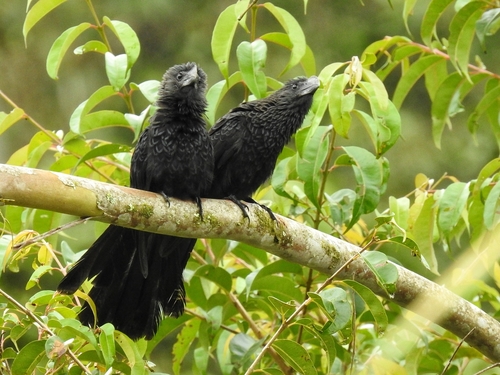 Garrapatero Aní
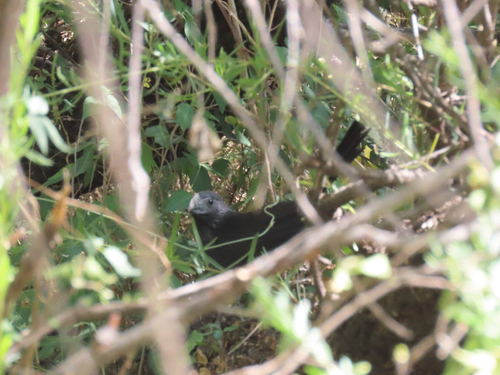 Garrapatero Asurcado
En breve
La marca de campo más confiable entre Garrapatero Aní y Garrapatero Asurcado es el pico: Garrapatero Aní tiene un pico notablemente más profundo y más hinchado con una cresta superior más suave, mientras que Garrapatero Asurcado muestra surcos longitudinales distintos a lo largo de la mandíbula superior. Ambas especies son de color negro brillante con colas largas y pueden ser confusas, especialmente ya que algunos Garrapateros Aní muestran surcos parciales y el tamaño del pico se superpone. El tamaño es útil pero sutil: Garrapatero Aní es generalmente más robusto y pesado. La voz y el rango son a menudo los separadores más prácticos en el campo, especialmente donde pueden ocurrir ambas especies. El estilo de vuelo y el comportamiento en grupo son similares, por lo que prestar atención cuidadosa a la forma del pico y las vocalizaciones es clave.
Consejos de identificación
- La forma del pico es la marca de campo primaria: Garrapatero Aní tiene un pico profundo y hinchado con una cresta superior suave o solo ligeramente surcada; el pico de Garrapatero Asurcado es más esbelto y siempre muestra surcos longitudinales distintos a lo largo de la mandíbula superior. Esta marca funciona para todas las edades y sexos.
- Cuidado con la superposición en el tamaño del pico: Algunos Garrapateros Aní pueden tener picos tan pequeños como los de Garrapatero Asurcado, y pueden mostrar surcos tenues en la base. Siempre verifica la profundidad y la hinchazón general del pico, no solo los surcos.
- Tamaño y robustez: Garrapatero Aní es generalmente más pesado y robusto (97 g vs 74.5 g), pero esto es sutil y se utiliza mejor cuando ambas especies se ven juntas.
- Longitud y forma de la cola: Ambas especies tienen colas muy largas y negras, casi tan largas como el cuerpo. La forma de la cola no es un separador confiable.
- Plumaje: Ambas son de color negro brillante a todas las edades, sin diferencias significativas de color o patrón. No confíes en el plumaje para la separación.
- Estilo de vuelo: Ambas especies tienen un vuelo débil, tambaleante o entrecortado con aleteos y planeos alternos. El estilo de vuelo es similar y no es diagnóstico.
- Comportamiento en grupo: Ambas son gregarias y ruidosas, a menudo en grupos. El comportamiento social no las separa.
- Hábitat: Ambas ocurren en campos abiertos y semiabiertos, incluyendo campos y pastizales. El hábitat no es un separador confiable donde los rangos se superponen.
- Voz: Garrapatero Aní emite un llamado quejumbroso 'ooo-leeek', distintivo si se escucha. Los llamados de Garrapatero Asurcado son diferentes; la voz es a menudo el mejor separador en el campo.
- Rango: En el sur de Texas y el norte de México, solo ocurre Garrapatero Asurcado. En el sur de Florida y el Caribe, solo está presente Garrapatero Aní. En las zonas de superposición, utiliza el pico y la voz.
- Color del iris: Se ha notado que Garrapatero Aní tiene un iris marrón, pero esto es sutil y no suele ser visible en el campo.
- Comportamiento alimenticio: Ambas forrajean en el suelo y pueden quitar garrapatas del ganado; esto no es un separador.
- Nido y reproducción: Ambas especies anidan de manera comunal, pero esto no es una marca de campo para la identificación.
- Presencia estacional: Garrapatero Asurcado se retira del borde norte de su rango en invierno; Garrapatero Aní es residente en todo su rango.
- Cuando tengas dudas: Concéntrate en la forma del pico y los surcos, y escucha los llamados. Si ambos son ambiguos, considera el rango y la temporada.
Tamaño
Garrapatero Aní es el más grande de los dos, con una masa corporal promedio de aproximadamente 97 g en comparación con los 74.5 g de Garrapatero Asurcado [wikidata]. En longitud, Garrapatero Aní promedia 35 cm (14 in), mientras que Garrapatero Asurcado promedia aproximadamente 34 cm (13 in) [wikipedia]. La diferencia es sutil en el campo, pero Garrapatero Aní a menudo parece más robusto y pesado, especialmente cuando se ve junto a Garrapatero Asurcado. Ambos tienen colas largas, pero las proporciones generales de Garrapatero Aní son ligeramente más robustas.
Plumaje
Ambas especies son de color negro brillante en general, sin diferencias significativas de color estacional o relacionadas con la edad mencionadas en las fuentes. Los plumajes juveniles e inmaduros no se describen como distintos o diagnósticos en ninguna de las especies, y no hay marcas específicas en la parte superior del ala o patrones de vuelo para los jóvenes. La diferencia clave no está en el plumaje, sino en la estructura del pico: Garrapatero Asurcado siempre muestra surcos obvios que corren longitudinalmente a lo largo de la mandíbula superior, mientras que el pico de Garrapatero Aní es más profundo, más hinchado y típicamente suave (aunque algunos individuos pueden mostrar surcos tenues en la base). Ambos tienen colas largas y negras y carecen de paneles contrastantes o marcas en las alas a todas las edades.
Comportamiento
Ambas especies son altamente sociales, generalmente encontradas en grupos ruidosos. Se alimentan principalmente en el suelo, corriendo en lugar de saltar, y a menudo forrajean en áreas abiertas. En vuelo, ambas exhiben un vuelo débil, tambaleante o entrecortado con aleteos y planeos alternos, y ninguna es particularmente fuerte o directa en el aire. Garrapatero Aní es conocido por ser especialmente gregario y conspicuo, pero esto no es un separador confiable de Garrapatero Asurcado, que también forma grupos. Ambas especies pueden ser vistas asociándose con animales de pastoreo para quitar insectos o garrapatas.
Hábitat
Ambos anis prefieren hábitats abiertos y semiabiertos, incluyendo pastizales, campos cultivados, sabanas y huertos. Garrapatero Aní está ampliamente distribuido desde el sur de Florida a través del Caribe y gran parte de Sudamérica, mientras que Garrapatero Asurcado se extiende desde el sur de Texas y México a través de América Central hasta el norte de Sudamérica y la costa del Pacífico. Donde sus rangos se superponen (por ejemplo, partes de América Central y el norte de Sudamérica), las preferencias de hábitat son muy similares y no son un separador confiable en el campo. Garrapatero Asurcado es más probable que se encuentre en el borde norte del rango (por ejemplo, el sur de Texas), mientras que Garrapatero Aní está ausente allí.
Voz
La voz es a menudo el separador más práctico en el campo. Garrapatero Aní emite un llamado quejumbroso distintivo 'ooo-leeek'. Los llamados de Garrapatero Asurcado no se describen en detalle en las fuentes aquí, pero se ha notado que las dos especies se distinguen mejor por la voz donde se superponen. Si escuchas el llamado característico de Garrapatero Aní, es diagnóstico. Los llamados de Garrapatero Asurcado son generalmente de tono más alto y menos prolongados, pero siempre verifica guías locales para detalles específicos.