

Motmot

ハイイロハシナガタイランチョウ 対 アマゾンツグミ

Poecilotriccus sylvia 対 Turdus sanchezorum

ハイイロハシナガタイランチョウとアマゾンツグミのクイズ
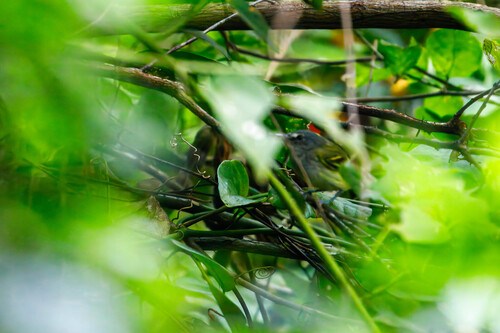
ハイイロハシナガタイランチョウ (Poecilotriccus sylvia) ハイイロハシナガタイランチョウ
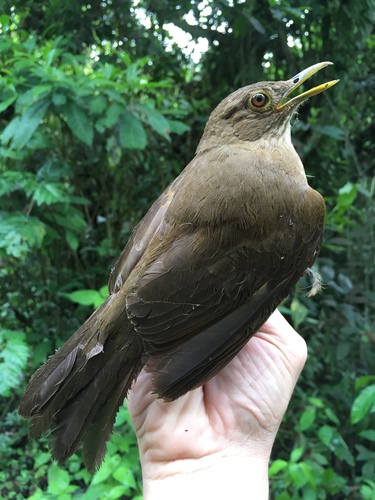
アマゾンツグミ (Turdus sanchezorum) アマゾンツグミ

メディア

読み込み中…

要点

ハイイロハシナガタイランチョウとアマゾンツグミを区別する最も信頼できるフィールドマークは、全体のサイズと構造です:tody-flycatcherは小さく、コンパクトな鳥で、短いくちばしと大胆な翼帯を持っていますが、アマゾンツグミははるかに大きく、ツグミのような形状、無地の翼、豊かな茶色の色合いを持っています。幼鳥のtody-flycatcherは淡い翼帯とオリーブ色の冠を示し、すべての年齢のアマゾンツグミは翼帯がなく、均一なセピアブラウンの頭を持っています。距離があっても、サイズとジズの違いは際立っていますが、翼と頭のパターンの近くの視点は診断的です。声や生息地も役立ちますが、視覚的な手がかりが通常は十分です。

識別のコツ

  1. Size is the fastest check: 鳥が小さく、双眼鏡の視界に簡単に収まる場合はtody-flycatcherです;ロビンサイズまたはそれ以上の場合はthrushです。これはすべての年齢と性別に当てはまります。
  2. Wing bars: すべての年齢のtody-flycatcherは2つの大胆な翼帯を示します(成鳥は黄色、幼鳥は淡い色);アマゾンツグミは決して翼帯を持ちません。鳥が止まっているときや飛んでいるときにこれを探してください。
  3. Crown and head color: 成鳥のtody-flycatcherは灰色の冠とうなじを持っています;幼鳥はオリーブ色の冠を持っています。アマゾンツグミは常に豊かなセピアブラウンの頭を持ち、灰色やオリーブ色の冠はありません。
  4. Eye-ring: Tody-flycatcherは壊れた白いアイリングと白いスーペリキウムを持っています;アマゾンツグミは鈍いオレンジ色のアイリングを持ち、スーペリキウムはありません。
  5. Bill shape and color: Tody-flycatcherは短い黒いくちばしを持っています;アマゾンツグミは黒っぽい基部を持つ長い鈍い黄色のくちばしを持っています。
  6. Underparts: Tody-flycatcherは喉と胸に灰色の縞模様を持つ灰白色の下部(成鳥)または淡い、縞模様のない下部(幼鳥)を持っています。アマゾンツグミは温かみのある淡い白い喉に暗い茶色の縞模様を持ち、キャラメル色の上胸と白い腹を持っています。
  7. Tail color: Tody-flycatcherの尾はオリーブ色です;アマゾンツグミの尾は灰色がかった茶色でセピアの縁があります。
  8. Underwing color: アマゾンツグミだけがオレンジ色のルーファスの下翼覆いを持っていますが、これはフィールドではめったに見られません。
  9. Leg color: Tody-flycatcherは淡い青灰色の脚を持っています;アマゾンツグミはオリーブ灰色の脚を持っています。
  10. Behavior: Tody-flycatcherは活発で、しばしばサリーし、尾を振ります;アマゾンツグミはより慎重で、しばしば地面を跳ねたり静かに止まったりします。
  11. Habitat: flooded varzea forestで見られた場合はアマゾンツグミを考慮してください;エッジ、二次成長、または乾燥した森ではtody-flycatcherの方が可能性が高いです。
  12. Voice: Tody-flycatcherは短い昆虫のような呼び声を出します;アマゾンツグミは遅く、スラーレッドで音楽的なフレーズを歌います。柔らかいキャロルが聞こえた場合、それはthrushです。
  13. Flight style: Tody-flycatcherの飛行は迅速で直接的です;アマゾンツグミはツグミに典型的な遅く、波打つような飛行をします。
  14. Jizz: Tody-flycatcherはコンパクトに見え、大きな頭と短い尾を持っています;アマゾンツグミは長い体を持ち、相対的に長い尾とより直立した姿勢を持っています。
  15. Pitfalls: 未熟なtody-flycatcherは地味に見えることがありますが、常に翼帯と小さなサイズを確認してください。アマゾンツグミは年齢に関係なく、翼帯や灰色の冠を決して示しません。

大きさ

ハイイロハシナガタイランチョウは非常に小さく、約7.1gの重さで、長さは9〜10cmです。それに対して、アマゾンツグミははるかに大きく、約58gの重さで、長さは22〜24cmです。これは劇的なサイズの違いです—アマゾンツグミはほぼ3倍の長さで、8倍以上の重さです。直接比較がなくても、tody-flycatcherは小さくて繊細に見え、thrushは頑丈でTurdus属の典型的な姿です。

羽色

幼鳥のハイイロハシナガタイランチョウはオリーブ色の冠と背中、淡い翼帯、そして淡い、縞模様のない下部を持っています—これらの翼帯はすべての年齢に存在しますが、幼鳥ではより淡い色で、成鳥では黄色です。成鳥は灰色の冠とうなじ、オリーブ色の背中、2つの大胆な黄色の翼帯、そして壊れた白いアイリングを持っています。それに対して、すべての年齢のアマゾンツグミは豊かなセピアブラウンの頭と上部を持ち、翼帯はなく、鈍いオレンジ色のアイリングを持っています。下部は喉と尾羽覆いに縞模様があり、キャラメル色の胸と白い腹を持っています。thrushの下翼覆いはオレンジ色のルーファスですが、これは鳥が飛んでいるか扱われているときでないとめったに見られません。thrushは決して翼帯やtody-flycatcherの鋭い灰色/オリーブのコントラストを示しません。

行動

ハイイロハシナガタイランチョウは活発で、しばしば下層から中層を飛び回り、昆虫を捕まえ、尾を立てて直立して止まります。その動きは迅速で、flycatcherのようです。アマゾンツグミは他のTurdusツグミのように振る舞い、下層や中層を体系的に移動し、しばしば地面を跳ねたり静かに止まったりします。サリーしたりホバリングする可能性は低く、動きはより大きく、遅く見えます。

生息環境

両種はアマゾン南アメリカの重複する地域に生息することがありますが、好む生息地は異なります。ハイイロハシナガタイランチョウは、エッジ、二次成長、時にはより開けた森林を含む広範な森林タイプで見られ、中央から北南アメリカに分布しています。アマゾンツグミはブラジル、コロンビア、ペルーの季節的に洪水が発生するvarzea森林に制限されています。真のvarzea(洪水)森林にいる場合、thrushの方が可能性が高く、tody-flycatcherはより一般的で広範囲に分布しています。

声

ハイイロハシナガタイランチョウは短い昆虫のようなまたはカエルのような呼び声を出し、柔らかく、砂利のような「トゥルプ」または「ティク・トゥルルル」と、時には鼻にかかった「グルルル」といった音を出します。その呼び声は迅速で、高音で、機械的です。アマゾンツグミは遅く、柔らかく、スラーレッドなキャロリングソングを歌い、短いフレーズが間に休止を挟んでおり、上昇するようなミューイングコールを出します。thrushの声は音楽的でツグミのようで、tody-flycatcherの乾燥した機械的な音とは非常に異なります。

より良い説明を送る

比較と同じ項目を使ってください。文章はすぐに公開されます。

The most reliable field mark to separate Slate-headed Tody-Flycatcher from Varzea Thrush is overall size and structure: the tody-flycatcher is a tiny, compact bird with a short bill and bold wing bars, while the varzea thrush is much larger, with a thrush-like shape, plain wings, and a rich brown coloration. Juvenile tody-flycatchers show buffy wing bars and an olive crown, while all ages of varzea thrush lack wing bars and have a uniform sepia-brown head. Even at a distance, the difference in size and jizz is striking, but close views of the wing and head pattern are diagnostic. Vocalizations and habitat can help, but visual cues are usually sufficient.

  1. Size is the fastest check: If the bird is tiny and fits easily in your binocular field, it is the tody-flycatcher; if it is robin-sized or larger, it is the thrush. This works for all ages and sexes.
  2. Wing bars: Tody-flycatcher of all ages shows two bold wing bars (yellow in adults, buffy in juveniles); varzea thrush never has wing bars. Look for these when the bird is perched or in flight.
  3. Crown and head color: Adult tody-flycatchers have a gray crown and nape; juveniles have an olive crown. Varzea thrush always has a rich sepia-brown head with no gray or olive crown.
  4. Eye-ring: Tody-flycatcher has a broken white eye-ring and a white supercilium; varzea thrush has a dull orange eye-ring and no supercilium.
  5. Bill shape and color: Tody-flycatcher has a short, black bill; varzea thrush has a longer, dull yellow bill with a blackish base.
  6. Underparts: Tody-flycatcher has grayish white underparts with gray streaks on the throat and breast (adults) or paler, unstreaked underparts (juveniles). Varzea thrush has a warm buffy white throat with dusky brown streaks, caramel-brown upper breast, and white belly.
  7. Tail color: Tody-flycatcher’s tail is olive; varzea thrush’s tail is grayish brown with sepia edges.
  8. Underwing color: Only varzea thrush has orange-rufous underwing coverts, but this is rarely seen in the field.
  9. Leg color: Tody-flycatcher has light bluish gray legs; varzea thrush has olive-gray legs.
  10. Behavior: Tody-flycatcher is active, often sallying and flicking its tail; varzea thrush is more deliberate, often hopping or perching quietly.
  11. Habitat: If seen in flooded varzea forest, consider varzea thrush; in edge, second growth, or drier forest, tody-flycatcher is more likely.
  12. Voice: Tody-flycatcher gives short, insect-like calls; varzea thrush sings slow, slurred, musical phrases. If you hear a mellow carol, it is the thrush.
  13. Flight style: Tody-flycatcher’s flight is quick and direct; varzea thrush has a slower, more undulating flight typical of thrushes.
  14. Jizz: Tody-flycatcher appears compact, with a large head and short tail; varzea thrush is long-bodied, with a proportionally longer tail and more upright posture.
  15. Pitfalls: Immature tody-flycatchers can look drab, but always check for wing bars and small size. Varzea thrush never shows wing bars or a gray crown, regardless of age.

Slate-headed Tody-Flycatcher is extremely small, weighing about 7.1 g and measuring 9–10 cm in length. In contrast, Varzea Thrush is much larger, weighing around 58 g and measuring 22–24 cm. This is a dramatic size difference—Varzea Thrush is nearly three times as long and over eight times heavier. Even without direct comparison, the tody-flycatcher appears tiny and delicate, while the thrush is robust and typical of the Turdus genus.

Juvenile Slate-headed Tody-Flycatchers have an olive crown and back, buffy wing bars, and paler, unstreaked underparts—these wing bars are present in all ages but are buffier in juveniles and yellow in adults. Adults have a gray crown and nape, olive back, two bold yellow wing bars, and a broken white eye-ring. In contrast, Varzea Thrush of all ages has a rich sepia-brown head and upperparts, no wing bars, and a dull orange eye-ring. Its underparts are streaked on the throat and undertail coverts, with a caramel-brown breast and white belly. The thrush’s underwing coverts are orange-rufous, but this is rarely visible unless the bird is in flight or handled. The thrush never shows wing bars or the sharp gray/olive contrast of the tody-flycatcher.

Slate-headed Tody-Flycatcher is active, often flitting in the lower to mid-story, sallying for insects, and perching upright with a cocked tail. Its movements are quick and flycatcher-like. Varzea Thrush behaves like other Turdus thrushes, moving methodically through the understory or mid-levels, often hopping on the ground or perching quietly. It is less likely to sally or hover and appears bulkier and slower in its movements.

Both species can occur in overlapping regions in Amazonian South America, but their preferred habitats differ. Slate-headed Tody-Flycatcher is found in a wide range of forest types, including edge, second growth, and sometimes more open woodland, from Central to northern South America. Varzea Thrush is restricted to seasonally flooded varzea forests in Brazil, Colombia, and Peru. If you are in true varzea (flooded) forest, the thrush is more likely, while the tody-flycatcher is more generalist and widespread.

Slate-headed Tody-Flycatcher gives short, insect-like or froglike calls, such as a soft, gravelly 'trup' or 'tik trrrrr', and sometimes a nasal 'grrrrrr'. Its calls are quick, high-pitched, and mechanical. Varzea Thrush sings a slow, mellow, slurred caroling song, with short phrases separated by pauses, and gives a rising, mewing call. The thrush’s vocalizations are musical and thrush-like, very different from the tody-flycatcher’s dry, mechanical sounds.

変更を破棄しますか?

保存していない編集があります。今離れると失われます。

ハイイロハシナガタイランチョウ · アマゾンツグミ · 苦手な鳥