

Titirijí Gris vs Zorzal de Varzea
Poecilotriccus sylvia frente a Turdus sanchezorum
Juega un quiz con Titirijí Gris y Zorzal de Varzea
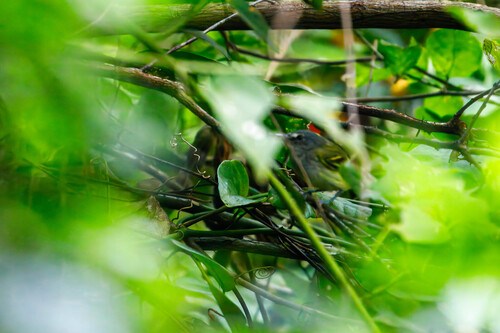 Titirijí Gris
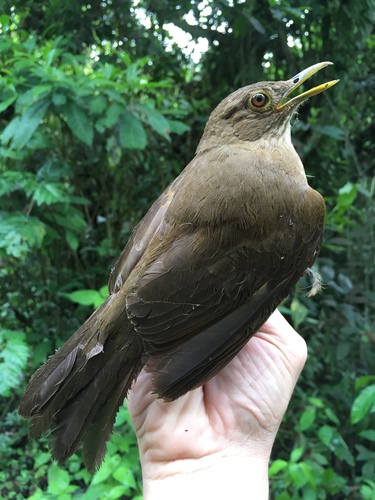 Zorzal de Varzea
En breve
La marca de campo más confiable para separar el Titirijí Gris del Zorzal de Varzea es el tamaño y la estructura general: el titirijí es un pájaro diminuto y compacto con un pico corto y barras alares audaces, mientras que el zorzal de varzea es mucho más grande, con una forma similar a la de un zorzal, alas lisas y una coloración marrón rica. Los titirijí juveniles muestran barras alares color canela y una corona oliva, mientras que todas las edades del zorzal de varzea carecen de barras alares y tienen una cabeza uniforme de color marrón sepia. Incluso a distancia, la diferencia en tamaño y apariencia es notable, pero las vistas cercanas del patrón de las alas y la cabeza son diagnósticas. Las vocalizaciones y el hábitat pueden ayudar, pero las pistas visuales suelen ser suficientes.
Consejos de identificación
- El tamaño es la verificación más rápida: Si el pájaro es diminuto y cabe fácilmente en el campo de visión de tus binoculares, es el titirijí; si es del tamaño de un mirlo o más grande, es el zorzal. Esto funciona para todas las edades y sexos.
- Barras alares: El titirijí de todas las edades muestra dos barras alares audaces (amarillas en adultos, color canela en juveniles); el zorzal de varzea nunca tiene barras alares. Busca estas cuando el pájaro esté posado o en vuelo.
- Color de la corona y la cabeza: Los titirijí adultos tienen una corona y nuca grises; los juveniles tienen una corona oliva. El zorzal de varzea siempre tiene una cabeza de color marrón sepia rico sin corona gris u oliva.
- Anillo ocular: El titirijí tiene un anillo ocular blanco roto y un supercilio blanco; el zorzal de varzea tiene un anillo ocular naranja apagado y no tiene supercilio.
- Forma y color del pico: El titirijí tiene un pico corto y negro; el zorzal de varzea tiene un pico más largo y amarillo apagado con una base negruzca.
- Partes inferiores: El titirijí tiene partes inferiores de color blanco grisáceo con rayas grises en la garganta y el pecho (adultos) o partes inferiores más pálidas y sin rayas (juveniles). El zorzal de varzea tiene una garganta de color blanco canela cálido con rayas marrones apagadas, un pecho marrón caramelo y un vientre blanco.
- Color de la cola: La cola del titirijí es oliva; la cola del zorzal de varzea es marrón grisáceo con bordes sepia.
- Color de las cobertoras de las alas: Solo el zorzal de varzea tiene cobertoras de alas de color naranja-rufoso, pero esto rara vez se ve en el campo.
- Color de las patas: El titirijí tiene patas de un gris azulado claro; el zorzal de varzea tiene patas de color oliva-gris.
- Comportamiento: El titirijí es activo, a menudo saltando y moviendo su cola; el zorzal de varzea es más deliberado, a menudo saltando o posándose en silencio.
- Hábitat: Si se ve en un bosque de varzea inundado, considera el zorzal de varzea; en bordes, crecimiento secundario o bosques más secos, es más probable que sea el titirijí.
- Voz: El titirijí emite llamadas cortas, similares a insectos; el zorzal de varzea canta frases musicales lentas y arrastradas. Si escuchas un carol suave, es el zorzal.
- Estilo de vuelo: El vuelo del titirijí es rápido y directo; el zorzal de varzea tiene un vuelo más lento y ondulante típico de los zorzales.
- Apariencia: El titirijí parece compacto, con una cabeza grande y cola corta; el zorzal de varzea es de cuerpo largo, con una cola proporcionalmente más larga y una postura más erguida.
- Trampas: Los titirijí inmaduros pueden parecer apagados, pero siempre verifica las barras alares y el tamaño pequeño. El zorzal de varzea nunca muestra barras alares ni una corona gris, independientemente de la edad.
Tamaño
El Titirijí Gris es extremadamente pequeño, pesando alrededor de 7.1 g y midiendo 9–10 cm de longitud. En contraste, el Zorzal de Varzea es mucho más grande, pesando alrededor de 58 g y midiendo 22–24 cm. Esta es una diferencia de tamaño dramática: el Zorzal de Varzea es casi tres veces más largo y más de ocho veces más pesado. Incluso sin comparación directa, el titirijí parece diminuto y delicado, mientras que el zorzal es robusto y típico del género Turdus.
Plumaje
Los titirijí juveniles tienen una corona y espalda oliva, barras alares color canela, y partes inferiores más pálidas y sin rayas; estas barras alares están presentes en todas las edades pero son más canela en juveniles y amarillas en adultos. Los adultos tienen una corona y nuca grises, espalda oliva, dos barras alares amarillas audaces, y un anillo ocular blanco roto. En contraste, el Zorzal de Varzea de todas las edades tiene una cabeza y partes superiores de color marrón sepia rico, sin barras alares, y un anillo ocular naranja apagado. Sus partes inferiores están rayadas en la garganta y las cobertoras de la cola, con un pecho marrón caramelo y un vientre blanco. Las cobertoras de las alas del zorzal son de color naranja-rufoso, pero esto rara vez es visible a menos que el pájaro esté en vuelo o sea manipulado. El zorzal nunca muestra barras alares ni el marcado contraste gris/oliva del titirijí.
Comportamiento
El Titirijí Gris es activo, a menudo revoloteando en el estrato bajo a medio, cazando insectos, y posándose erguido con la cola levantada. Sus movimientos son rápidos y similares a los de un atrapamoscas. El Zorzal de Varzea se comporta como otros zorzales del género Turdus, moviéndose metódicamente a través del sotobosque o niveles intermedios, a menudo saltando en el suelo o posándose en silencio. Es menos probable que salte o se mantenga en el aire y parece más robusto y lento en sus movimientos.
Hábitat
Ambas especies pueden ocurrir en regiones superpuestas en la Amazonía de América del Sur, pero sus hábitats preferidos difieren. El Titirijí Gris se encuentra en una amplia gama de tipos de bosque, incluyendo bordes, crecimiento secundario, y a veces en bosques más abiertos, desde el centro hasta el norte de América del Sur. El Zorzal de Varzea está restringido a bosques de varzea inundados estacionalmente en Brasil, Colombia y Perú. Si estás en un bosque de varzea verdadero (inundado), es más probable que veas al zorzal, mientras que el titirijí es más generalista y está más extendido.
Voz
El Titirijí Gris emite llamadas cortas, similares a insectos o ranas, como un suave y arenoso 'trup' o 'tik trrrrr', y a veces un nasal 'grrrrrr'. Sus llamadas son rápidas, agudas y mecánicas. El Zorzal de Varzea canta una canción de caroling suave, melódica y arrastrada, con frases cortas separadas por pausas, y emite un llamado ascendente y maullante. Las vocalizaciones del zorzal son musicales y similares a las de otros zorzales, muy diferentes de los sonidos secos y mecánicos del titirijí.