

Motmot

ハマヒバリ 対 クビワコウテンシ

Eremophila alpestris 対 Melanocorypha bimaculata

ハマヒバリとクビワコウテンシのクイズ
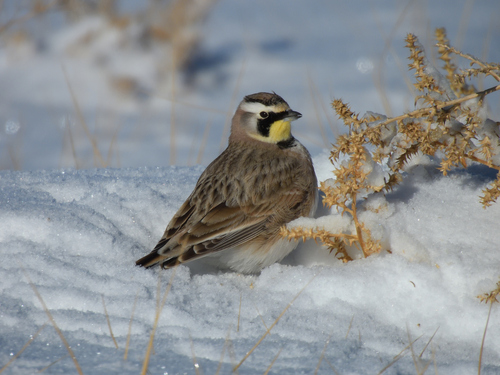
ハマヒバリ (Eremophila alpestris) ハマヒバリ
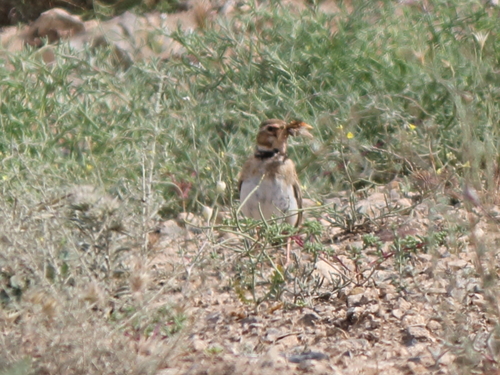
クビワコウテンシ (Melanocorypha bimaculata) クビワコウテンシ

メディア

読み込み中…

要点

ハマヒバリとクビワコウテンシの最も信頼できるフィールドマークは、頭部と顔のパターンです:ハマヒバリは、オスの小さな「角」がある印象的な黒と黄色(または一部の亜種では黒と白)のマスクを示しますが、クビワコウテンシはずっと地味な顔をしています。飛行中、ハマヒバリは淡い体とのコントラストを持つ強い黒い尾を示し、一方でクビワコウテンシは白い先端を持つ短い尾を示しますが、白い縁はなく、灰褐色の下羽を持つ短く幅広い翼を持っています。クビワコウテンシはまた、明らかに重くてがっしりとしています。声と生息地も役立ちますが、頭部のパターンと尾/翼のコントラストが最も決定的です。

識別のコツ

  1. Head and face pattern: ハマヒバリ(すべての年齢、特に成鳥のオス)は、目を通る黒い線と黒いビブを持つ大胆な黒と黄色(または一部の亜種では黒と白)の顔のマスクを示します;オスは小さな黒い「角」(房)を持っています。クビワコウテンシはマスクや角のない地味な顔をしています。
  2. Tail pattern in flight: ハマヒバリは、中央の羽だけが淡い色のほぼ黒い尾を持ち、体との鋭いコントラストを作り出し、すべての年齢と季節で見ることができます。クビワコウテンシの尾は短く、白い先端を持っていますが、白い縁はなく、体とのコントラストは強くありません。
  3. Wing shape and underwing: クビワコウテンシは灰褐色の下羽を持つ短く幅広い翼を持っています;ハマヒバリの翼は長く、尖っており、幅広く鈍い外観はありません。
  4. Body size and bulk: クビワコウテンシはハマヒバリよりも明らかに重くてがっしりとしています。鳥が並んでいる場合、サイズの違いは明確ですが、孤立した鳥や遠くからの視界には注意が必要です。
  5. Bill and jizz: ハマヒバリはより細身で、より細いくちばしとより直立した姿勢を持っています。クビワコウテンシはよりがっしりとして重く、より厚いくちばしとより水平な姿勢を持っています。
  6. Plumage above and below: 両者は上面が茶灰色で、下面が淡いですが、ハマヒバリだけが強い顔と尾のコントラストを持っています;クビワコウテンシは全体的に地味です。
  7. Sex and age variation: 繁殖羽毛のハマヒバリのオスは最も特徴的ですが、雌や幼鳥でもいくつかの顔のパターンと黒い尾を示します。クビワコウテンシは常に地味な顔をしています。
  8. Flight style: ハマヒバリはしばしば飛行中に波打つような浮遊感のある動きで歌います;クビワコウテンシの飛行はより直接的で、目立たないです。
  9. Habitat context: ハマヒバリは開けた、しばしば寒いまたは沿岸の生息地に見られます;クビワコウテンシは温暖で乾燥したステップまたは耕作地を好みます。環境が寒くて開けている場合はハマヒバリを疑い、乾燥して大陸的であればクビワコウテンシを疑います。
  10. Vocalization: 高音でチリンチリンという呼び声や弱い上昇するトリルが聞こえた場合、これはハマヒバリを支持します。クビワコウテンシの声はここでは説明されていないため、これらの呼び声がないことは診断的ではありません。
  11. Pitfalls: 幼鳥のハマヒバリはあまり大胆にマークされていないように見えることがありますが、顔のパターンと黒い尾はまだ示します。遠くのクビワコウテンシは強い光の中で淡い顔を持っているように見えることがありますが、マスクや角は決して示しません。
  12. Seasonal confusion: 冬にはハマヒバリの顔のパターンが鈍くなることがありますが、まだ存在します;クビワコウテンシは年間を通じて地味です。
  13. Flock behavior: 両者は群れで見られることがありますが、ハマヒバリの群れはしばしば裸の地面や海岸にあり、クビワコウテンシの群れはステップや農地にあります。
  14. Geographic context: ハマヒバリは北半球全体に広く分布しており、特に寒冷または高山地帯に見られます;クビワコウテンシはトルコから東の温暖なステップに制限されています。
  15. When in doubt: 飛行中の頭部のパターンと尾のコントラストを優先してください;これらはすべての年齢と季節において最も信頼できるマークです。

大きさ

クビワコウテンシはハマヒバリ(28–48g [wikipedia])よりもかなり重い(体重約54g [wikidata])で、全体的にがっしりとしています。ハマヒバリは小さく(長さ16–20 cm)て、より細身で、相対的に長い尾を持っています。クビワコウテンシの翼は短く幅広く、飛行中にがっしりとした外観を与え、ハマヒバリはより流線型です。

羽色

行動

ハマヒバリはしばしば開けた、裸の地面や海岸で餌を食べたり移動したりし、小さな群れで見られることもあります。その飛行は波打ち、繁殖期には歌いながらの飛行が伴うことがよくあります。クビワコウテンシはより直接的で浮遊感のない飛行をし、空中での歌いながらの飛行を示す可能性は低いです。

生息環境

ハマヒバリは開けた地面に見られ、冬にはしばしば海岸近くに(したがってヨーロッパの名前)、夏にはツンドラや高山の草原に見られます。クビワコウテンシはトルコから中央アジアにかけての温暖な温帯ステップ、乾燥した平原、または耕作された畑を好みます。重複は稀ですが、生息地の文脈が役立つことがあります:ハマヒバリは寒くて開けた、または沿岸の環境で見られる可能性が高く、クビワコウテンシは乾燥して温暖で、より大陸的なステップで見られる可能性があります。

声

ハマヒバリは高音で、舌足らずまたはチリンチリンという呼び声と、飛行中に弱い上昇するさえずりのトリルを発します。これらは一般的に典型的なヒバリの呼び声よりも柔らかく、高いです。クビワコウテンシの声は提供された情報源では説明されていないため、ハマヒバリの特徴的な高音のチリンチリンという呼び声が聞こえない限り、声による識別はあまり信頼できません。

より良い説明を送る

比較と同じ項目を使ってください。文章はすぐに公開されます。

The most reliable field mark between Shore Lark and Bimaculated Lark is the head and face pattern: Shore Lark shows a striking black-and-yellow (or black-and-white in some races) mask with small 'horns' on males, while Bimaculated Lark has a much plainer face. In flight, Shore Lark displays a strong black tail with pale body contrast, whereas Bimaculated Lark shows a short tail with a white tip but no white edges, and short, broad wings with grey-brown underwings. Bimaculated Lark is also noticeably heavier and bulkier. Voice and habitat can help, but the head pattern and tail/wing contrasts are most decisive.

  1. Head and face pattern: Shore Lark (all ages, especially adult males) shows a bold black-and-yellow (or black-and-white in some races) face mask with a black line through the eye and a black bib; males have small black 'horns' (tufts). Bimaculated Lark has a plain face with no mask or horns.
  2. Tail pattern in flight: Shore Lark has a mostly black tail with only the central feathers paler, creating a sharp contrast with the body, visible in all ages and seasons. Bimaculated Lark's tail is short with a white tip but lacks white edges and is not strongly contrasting with the body.
  3. Wing shape and underwing: Bimaculated Lark has short, broad wings with grey-brown underwings; Shore Lark's wings are longer and more pointed, lacking the broad, blunt look.
  4. Body size and bulk: Bimaculated Lark is noticeably heavier and bulkier than Shore Lark. If birds are side by side, the size difference is clear, but beware of lone birds or distant views.
  5. Bill and jizz: Shore Lark is more slender, with a finer bill and more upright stance. Bimaculated Lark appears stockier and heavier, with a thicker bill and a more horizontal posture.
  6. Plumage above and below: Both are brown-grey above and pale below, but only Shore Lark has the strong face and tail contrast; Bimaculated Lark is overall plainer.
  7. Sex and age variation: Male Shore Lark in breeding plumage is most distinctive, but even females and immatures show some facial pattern and the black tail. Bimaculated Lark is always plain-faced.
  8. Flight style: Shore Lark often sings in flight with undulating, buoyant movements; Bimaculated Lark's flight is more direct and less showy.
  9. Habitat context: Shore Lark is found in open, often cold or coastal habitats; Bimaculated Lark prefers warm, dry steppe or arable land. If the setting is cold and open, suspect Shore Lark; if dry and continental, suspect Bimaculated Lark.
  10. Vocalization: If you hear high-pitched, tinkling calls or a weak ascending trill, this supports Shore Lark. Bimaculated Lark's voice is not described here, so absence of these calls is not diagnostic.
  11. Pitfalls: Immature Shore Larks can appear less boldly marked but will still show some face pattern and the black tail. Distant Bimaculated Larks may seem to have a pale face in strong light, but never show the mask or horns.
  12. Seasonal confusion: In winter, Shore Lark's face pattern may be duller, but still present; Bimaculated Lark remains plain year-round.
  13. Flock behavior: Both may be seen in flocks, but Shore Lark flocks are often on bare ground or shorelines, while Bimaculated Lark flocks are on steppe or farmland.
  14. Geographic context: Shore Lark is widespread across the northern hemisphere, especially in cold or alpine zones; Bimaculated Lark is restricted to warmer steppe from Turkey eastwards.
  15. When in doubt: Prioritize the head pattern and tail contrast in flight; these are the most reliable marks for all ages and seasons.

Bimaculated Lark is substantially heavier (body mass ~54g [wikidata]) than Shore Lark (28–48g [wikipedia]), and appears bulkier overall. Shore Lark is smaller (16–20 cm length) and more slender, with a proportionally longer tail. Bimaculated Lark's wings are short and broad, giving it a stockier look in flight, while Shore Lark is more streamlined.

  • Juvenile/immature/flight views: Shore Lark of all ages shows a strong contrast between a mostly black tail (except for the central feathers) and a paler body, especially visible in flight. Bimaculated Lark in flight shows a short tail with a white tip (but not white edges) and grey-brown underwings; its wing and tail pattern is distinctive from Shore Lark, lacking the black tail contrast.
  • Adult breeding plumage: Male Shore Lark is unmistakable with its black-and-yellow (or black-and-white in some races) face mask and small black 'horns' (tufts). Bimaculated Lark lacks any such head pattern, appearing much plainer.
  • Non-breeding/female/immature: Shore Lark still shows some face pattern, though less bold, and the black tail remains a strong mark. Bimaculated Lark remains plain-faced throughout the year.
  • Upperparts: Shore Lark is brown-grey above, paler below; Bimaculated Lark is similar but lacks the bold facial contrast and tail pattern.

Shore Lark often feeds and moves in open, bare ground or shorelines, sometimes in small flocks. Its flight is undulating and often accompanied by song-flights, especially in breeding season. Bimaculated Lark is more likely to be found in steppe or arid farmland, moving in a more direct, less buoyant flight, and is less likely to display aerial song flights.

Shore Lark is found on open ground, often near shorelines in winter (hence the European name), and in tundra or alpine meadows in summer. Bimaculated Lark prefers warm temperate steppe, arid plains, or cultivated fields in its range from Turkey to Central Asia. Overlap is rare, but habitat context can help: Shore Lark is more likely in cold, open, or coastal settings; Bimaculated Lark in drier, warmer, more continental steppes.

Shore Lark gives high-pitched, lisping or tinkling calls and a weak, ascending warbling trill in flight. These are generally softer and higher than the typical lark calls. Bimaculated Lark's voice is not described in the provided sources, so vocalization is less reliable for separation unless Shore Lark's distinctive high, tinkling calls are heard.

変更を破棄しますか?

保存していない編集があります。今離れると失われます。

ハマヒバリ · クビワコウテンシ · 苦手な鳥