

Motmot

シロビタイシマセゲラ 対 ハナジロエボシゲラ

Melanerpes rubricapillus 対 Campephilus melanoleucos

シロビタイシマセゲラとハナジロエボシゲラのクイズ
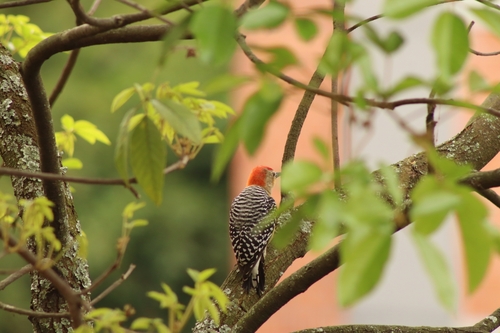
シロビタイシマセゲラ (Melanerpes rubricapillus) シロビタイシマセゲラ
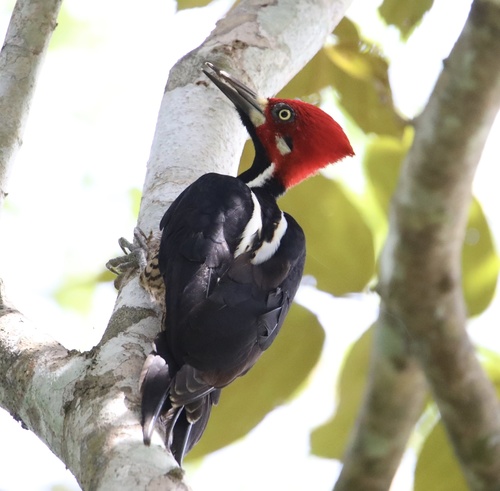
ハナジロエボシゲラ (Campephilus melanoleucos) ハナジロエボシゲラ

メディア

読み込み中…

要点

レッドクラウンウッドペッカーとハナジロエボシゲラを区別する最も信頼できるフィールドマークは、全体のサイズと構造です:ハナジロエボシゲラは劇的に大きく、重い象牙色のくちばしと大胆な白い首のストライプを持っていますが、レッドクラウンははるかに小さく、よりコンパクトで、背中に縞模様があり、首のストライプはありません。飛んでいるときや止まっているとき、ハナジロエボシゲラは主に黒い上面に背中に striking な白い 'V' を示しますが、レッドクラウンは上面が黒と白の縞模様です。幼鳥のレッドクラウンは鈍く茶色がかっていますが、まだ縞模様を示し、幼鳥のハナジロエボシゲラは成鳥の雌に似ていますが、頭部の赤がより淡いです。頭の模様も重要です:オスのレッドクラウンは赤い冠と後頭部を持っていますが、ハナジロエボシゲラのオスは全体が赤い頭を持ち、くちばしの基部に淡い斑点があります。これらの違いはすべての年齢と季節で見ることができます。

識別のコツ

  1. サイズが最初のチェックです: ハナジロエボシゲラはレッドクラウンの2倍以上の長さで、4〜5倍の重さです。鳥がカラスのサイズに見えるか、フリッカーより大きい場合はハナジロエボシゲラです。小さくてコンパクトな場合はレッドクラウンです。これはすべての年齢と性別に当てはまります。
  2. くちばしの構造: ハナジロエボシゲラは巨大で長い象牙色のチゼル型のくちばし(いくつかの亜種では灰色)を持っていますが、レッドクラウンのくちばしははるかに細く、相対的に短く、黒っぽいです。くちばしの色と大きさは、遠くからでも見えます。
  3. 飛んでいるときや止まっているときの上面の模様: レッドクラウンは背中と翼に大胆な黒と白の縞模様を示します。ハナジロエボシゲラは主に黒で、背中で首のストライプが出会うことで形成された striking な白い 'V' を持っています。ハナジロエボシゲラの背中には縞模様はありません。
  4. 首のストライプ: ハナジロエボシゲラは首の側面に大胆な垂直の白いストライプを持ち、それが背中に続き、'V' を形成します。レッドクラウンにはこれらのストライプがまったくありません。
  5. 頭の模様(オス): レッドクラウンのオスは淡い額、赤い冠、オレンジレッドの後頭部を持っています。ハナジロエボシゲラのオスは全体が赤い頭を持ち、くちばしの基部に淡い斑点があります。赤はハナジロエボシゲラの方がはるかに広範囲で鮮やかです。
  6. 頭の模様(メス): レッドクラウンのメスは淡い冠と赤みがかった後頭部を持っています。ハナジロエボシゲラのメスは目の周りと冠の前に黒があり、くちばしから耳の覆いまで、首の下まで広い白いストライプがあります。この白い顔のストライプはハナジロエボシゲラに特有です。
  7. 幼鳥の混乱: 幼鳥のレッドクラウンは鈍く茶色がかっていますが、まだ上面に縞模様を示します。幼鳥のハナジロエボシゲラは成鳥の雌に似ていますが、頭部の赤がより淡く、特徴的な黒と白の模様と大胆な首のストライプを持っています。
  8. 下部: レッドクラウンはオリーブ/黄色がかった洗い流しと赤みがかった/オレンジレッドの腹部の斑点を持つバフグレーからグレーのバフです。ハナジロエボシゲラは淡いシナモンバフから黄褐色で、広い黒い縞模様と淡い黄色がかった尾羽の覆いを持っています。腹部の斑点はレッドクラウンに特有です。
  9. 尾の模様: レッドクラウンの尾は中央と外側の羽に白い縞模様のある黒です。ハナジロエボシゲラの尾は茶色がかった黒で、模様は少ないです。
  10. 虹彩の色: レッドクラウンは赤から茶色の虹彩を持っています。ハナジロエボシゲラの虹彩は白から黄色です。これは微妙ですが、近距離で役立つことがあります。
  11. 脚の色: レッドクラウンは灰色の脚を持っています。ハナジロエボシゲラの脚は変動する灰色です。
  12. 鳴き声: ハナジロエボシゲラは深く、空洞で、ポッピングする呼び声と強いドラムを出します。レッドクラウンの呼び声は高音で、力強さが少ないです。
  13. 生息地の文脈: 成熟したまたは密な森林、特に南アメリカではハナジロエボシゲラがより可能性があります。開けた森林、エッジ、または都市公園、特に中央アメリカやトバゴではレッドクラウンがより可能性があります。
  14. 行動: ハナジロエボシゲラは遅く、力強く、大きな幹でペアで採餌することが多いです。レッドクラウンは素早く、敏捷で、小さな枝を使うことが多いです。
  15. 亜種の変異: 一部のハナジロエボシゲラの亜種は灰色のくちばしと目の周りにより赤いものがありますが、全体のサイズと模様の違いは診断的に残ります。

大きさ

ハナジロエボシゲラは完全に異なるサイズクラスにあります:33〜36 cmの長さと225〜281 gで、レッドクラウンウッドペッカー(16〜18.5 cm、40〜65 g)の2倍以上の長さで、4〜5倍の質量です。ハナジロエボシゲラは巨大で長い象牙色のチゼル型のくちばしを持っていますが、レッドクラウンのくちばしは長めですが、はるかに細く、黒っぽいです。遠くからでも、ハナジロエボシゲラは大きく、重い頭と長い首に見えますが、レッドクラウンはコンパクトで小さなくちばしを持っています。

羽色

行動

ハナジロエボシゲラはペアで採餌することが多く、森林の中層を好み、大きな幹や枝の樹皮をつついたり、探ったり、剥がしたりするのが見られます。彼らはそのサイズにふさわしい力強く、意図的な動きをします。レッドクラウンウッドペッカーは小さな枝や幹で見られることが多く、より開けたまたはエッジの生息地で、より敏捷で活発です。ハナジロエボシゲラの採餌は遅く、より力強いですが、レッドクラウンは素早く、軽快です。

生息環境

両種はパナマと南アメリカ北部で重なり合うことがありますが、ハナジロエボシゲラは成熟した森林を含むより広範な森林タイプで見られ、コスタリカとトバゴには存在しません。レッドクラウンは開けた森林、エッジ、さらには都市公園で見られることが多く、特に中央アメリカやカリブ海で見られます。生息地が密で成熟した森林であれば、ハナジロエボシゲラがより可能性があります。開けたまたは乱れた地域では、レッドクラウンがより可能性があります。

声

ハナジロエボシゲラはあまり声を出さないが、空洞でポッピングする音の連続('tkep-tkep-tkep')、迅速なチャッター、強く共鳴するドラムを出し、その後に震えるロール('DA-drrr')を続けます。彼らの呼び声はレッドクラウンのものよりも深く、力強いですが、ここでは詳細に説明されていませんが、一般的に高音で共鳴が少ないです。飛んでいるとき、ハナジロエボシゲラの翼は重い音を立てますが、レッドクラウンにはそのような音は記載されていません。

より良い説明を送る

比較と同じ項目を使ってください。文章はすぐに公開されます。

The most reliable field mark to separate Red-crowned Woodpecker from Crimson-crested Woodpecker is overall size and structure: Crimson-crested is dramatically larger, with a heavy ivory bill and bold white neck stripes, while Red-crowned is much smaller and more compact, with a barred back and no neck stripes. In flight or perched, Crimson-crested shows a mostly black upperpart with a striking white 'V' down the back, whereas Red-crowned is barred black-and-white above. Juvenile Red-crowned are duller and browner, but still show barring, while juvenile Crimson-crested resemble adult females but have paler red on the head. Head pattern is also key: male Red-crowned has a red crown and nape, but Crimson-crested males have an all-red head with a pale patch at the bill base. These differences are visible at all ages and seasons.

  1. Size is the first check: Crimson-crested is more than twice as long and four to five times heavier than Red-crowned. If the bird looks crow-sized or larger than a flicker, it's Crimson-crested; if it's small and compact, it's Red-crowned. This works for all ages and sexes.
  2. Bill structure: Crimson-crested has a massive, long, ivory chisel bill (gray in some subspecies), while Red-crowned's bill is much finer, proportionally shorter, and blackish. Bill color and bulk are visible even at a distance.
  3. Upperpart pattern in flight or perched: Red-crowned shows bold black-and-white barring across the back and wings; Crimson-crested is mostly black above with a striking white 'V' formed by neck stripes meeting on the back. No barring on Crimson-crested's back.
  4. Neck stripes: Crimson-crested has bold vertical white stripes on the sides of the neck that continue onto the back, forming a 'V'. Red-crowned lacks these stripes entirely.
  5. Head pattern (males): Red-crowned male has a pale forehead, red crown, and orange-red nape; Crimson-crested male has an all-red head with a pale patch at the bill base. The red is much more extensive and vivid on Crimson-crested.
  6. Head pattern (females): Red-crowned female has a pale crown and reddish nape; Crimson-crested female has black around the eye and front of crest, with a wide white stripe from bill to ear coverts and down the neck. This white facial stripe is unique to Crimson-crested.
  7. Juvenile confusion: Juvenile Red-crowned are duller and browner but still show barred upperparts; juvenile Crimson-crested resemble adult females but with paler red on the head and still have the distinctive black-and-white pattern and bold neck stripes.
  8. Underparts: Red-crowned is buffish-gray to gray-buff below with an olive/yellowish wash and a reddish/orange-red belly patch; Crimson-crested is pale cinnamon-buff to tawny with wide black bars and pale yellowish undertail coverts. The belly patch is unique to Red-crowned.
  9. Tail pattern: Red-crowned's tail is black with white bars on the central and outermost feathers; Crimson-crested's tail is brownish-black, less patterned.
  10. Iris color: Red-crowned has a red to brown iris; Crimson-crested's iris is white to yellow. This is subtle but can help at close range.
  11. Leg color: Red-crowned has gray legs; Crimson-crested's legs are variable gray.
  12. Vocalizations: Crimson-crested gives deep, hollow, popping calls and a strong drum; Red-crowned's calls are higher-pitched and less forceful.
  13. Habitat context: In mature or dense forest, especially in South America, Crimson-crested is more likely. In open woodlands, edges, or urban parks, especially in Central America or Tobago, Red-crowned is more likely.
  14. Behavior: Crimson-crested is slow, powerful, and often forages in pairs on large trunks; Red-crowned is quick, agile, and often uses smaller branches.
  15. Subspecies variation: Some Crimson-crested subspecies have a gray bill and more red around the eyes, but the overall size and pattern differences remain diagnostic.

Crimson-crested Woodpecker is in a completely different size class: at 33–36 cm long and 225–281 g, it is more than twice the length and four to five times the mass of Red-crowned Woodpecker (16–18.5 cm, 40–65 g) [wikidata]. Crimson-crested has a massive, long, ivory-colored chisel bill, while Red-crowned's bill is longish but much finer and blackish. Even at a distance, Crimson-crested appears large, heavy-headed, and long-necked, while Red-crowned is compact and small-billed.

  • Juveniles: Red-crowned Woodpecker juveniles are duller and browner than adults, with paler nape/hindneck, less contrasting upperpart barring, lightly streaked underparts, and a paler, mottled belly patch. They still show the characteristic black-and-white barring above. Crimson-crested juveniles resemble adult females but have paler red on the head; both sexes lack the vivid adult red, but the overall pattern (mostly black above, white neck stripes, pale cinnamon-buff underparts with wide black bars) is already present.

  • Adults: Red-crowned males have a pale yellow/whitish forehead, bright red crown, orange-red nape/hindneck, and barred black-and-white back. Females have a gray-buff crown and less red on the nape. Both sexes have a reddish or orange-red belly patch. Crimson-crested males have an all-red head with a pale patch at the bill base; females have black around the eye and front of crest, with a wide white stripe from bill to ear coverts and down the neck. Both sexes have black upperparts with a bold white 'V' on the back, black throat and upper breast, and pale cinnamon-buff underparts with wide black bars. Their bill is ivory (gray in some subspecies), and their iris is white to yellow. Red-crowned has a red to brown iris and gray legs; Crimson-crested's legs are variable gray.

Crimson-crested Woodpecker often forages in pairs, favoring mid-levels of the forest, and is seen pecking, probing, and scaling bark on larger trunks and branches. It is powerful and deliberate in movement, befitting its size. Red-crowned Woodpecker is more likely to be seen on smaller branches and trunks, often in more open or edge habitats, and is more agile and active. Crimson-crested's foraging is slower and more forceful, while Red-crowned is quick and nimble.

Both species can overlap in Panama and northern South America, but Crimson-crested is found in a wider range of forest types, including mature forest, and is absent from Costa Rica and Tobago. Red-crowned is more often found in open woodlands, edges, and even urban parks, especially in Central America and the Caribbean. If the habitat is dense, mature forest, Crimson-crested is more likely; in open or disturbed areas, Red-crowned is more likely.

Crimson-crested Woodpecker is not highly vocal but gives a hollow, popping series of notes ('tkep-tkep-tkep'), rapid chatters, and a strong, resonant drum followed by a trembling roll ('DA-drrr'). Its calls are deeper and more forceful than those of Red-crowned, which are not described in detail here but are generally higher-pitched and less resonant. In flight, Crimson-crested's wings make a heavy sound, which is not noted for Red-crowned.

変更を破棄しますか?

保存していない編集があります。今離れると失われます。

シロビタイシマセゲラ · ハナジロエボシゲラ · 苦手な鳥