

Motmot

ペルシアサバクヒタキ 対 エジプトタイヨウチョウ

Oenanthe chrysopygia 対 Hedydipna metallica

ペルシアサバクヒタキとエジプトタイヨウチョウのクイズ
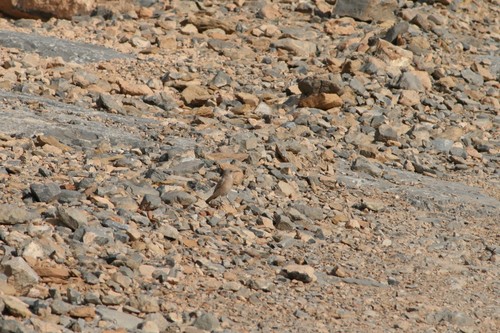
ペルシアサバクヒタキ (Oenanthe chrysopygia) ペルシアサバクヒタキ
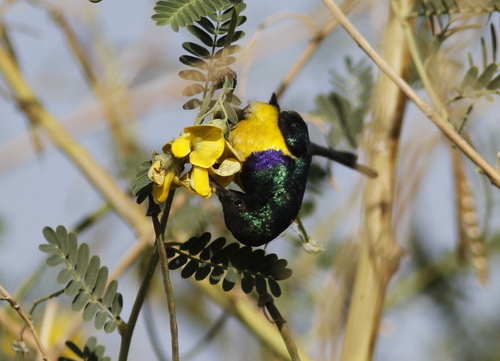
エジプトタイヨウチョウ (Hedydipna metallica) エジプトタイヨウチョウ

メディア

読み込み中…

要点

ペルシアサバクヒタキとエジプトタイヨウチョウを区別する最も信頼できるフィールドマークは、全体の構造と尾のパターンです:ペルシアサバクヒタキは、赤褐色の尻と黒いT字型の尾のパターンを持つ頑丈で直立した、ツグミのような鳥ですが、エジプトタイヨウチョウはずっと小さく、細長く、繊細で、長く下向きのくちばしを持ち、繁殖期のオスでは尾のストリーマーが伸びています。非繁殖羽衣では、タイヨウチョウは上面が無地の灰色で、下面が黄味がかっており、赤褐色や黒の尾のパターンはありません。長く曲がったくちばしを持ち、赤褐色の尻や黒い尾がない小さな鳥を見たら、それはタイヨウチョウです;赤褐色の尻と黒いT尾を持つ大きな直立した鳥はサバクヒタキです。未熟な個体や雌のサバクヒタキは地味ですが、その構造と尾のパターンは独特です。生息地と行動も役立ちます:サバクヒタキは岩の多い開けた場所で地面を探し、タイヨウチョウは低木や庭にいることが多く、しばしばホバリングしたり花から餌を取ったりします。

識別のコツ

  1. Tail pattern (all ages): ペルシアサバクヒタキは常に赤褐色の尻と黒いT字型の尾のパターンを示し、止まっている時も飛んでいる時も見えます。エジプトタイヨウチョウはこのパターンを示さず、尾は無地で、繁殖期のオスではストリーマーが伸びていますが、赤褐色やTマークはありません。
  2. Bill shape: タイヨウチョウは長く、細く、明確に下向きのくちばしを持ち、蜜を吸うために適応しています。サバクヒタキのくちばしは短く、真っ直ぐで、ツグミのようで、昆虫食に適しています。これは特に近距離での迅速で信頼できるチェックです。
  3. Size and structure: サバクヒタキはずっと大きく、直立しており、頑丈で、スズメのような印象があります。タイヨウチョウは小さく、細長く、繊細で、より水平な姿勢と迅速な動きを持っています。
  4. Breeding male sunbird (seasonal): 2月になると、オスのエジプトタイヨウチョウは金属的な緑色の上面、鮮やかな黄色の腹部、長い尾のストリーマーを持ち、明確です。サバクヒタキは金属的な色やそんなに長い尾を示すことはありません。
  5. Nonbreeding/plumage confusion: 冬には、両性のタイヨウチョウは上面が無地の灰色で、下面が黄味がかっていますが、長く曲がったくちばしを持ち、赤褐色や黒の尾のパターンはありません。サバクヒタキは地味ですが、常に尾のパターンを持っています。
  6. Supercilium: サバクヒタキは目の上に淡いストライプ(スーペリシリウム)を示すことがありますが、特に新しい羽衣の時に。タイヨウチョウにはそのような顔のマーキングはありません。
  7. Ear-coverts: サバクヒタキは耳羽に赤褐色の色合いを持つことがありますが、タイヨウチョウにはありません。
  8. Underwing: サバクヒタキは銀白色の下羽カバーを持ち、時々飛んでいる時に見えます。タイヨウチョウの下羽は特に特徴的とは記述されていません。
  9. Perching and foraging behavior: サバクヒタキは岩や地面に直立して止まり、しばしば昆虫を捕まえるために飛び出します。タイヨウチョウは花の上でホバリングして蜜を吸ったり、葉の間を素早く移動したりすることが多いです。
  10. Habitat context: 鳥が岩の多い、荒れた、または山の地域にいる場合はサバクヒタキを優先します。庭、アカシアの低木、または花の植物の近くではタイヨウチョウを優先します。
  11. Flight style: サバクヒタキの飛行は直接的で強く、しばしば岩や止まり木の間を飛びます。タイヨウチョウの飛行はよりひらひらしており、頻繁にホバリングします。
  12. Sex differences: 繁殖期のオスのタイヨウチョウだけが金属的な緑色でストリーマーを持ち、雌や非繁殖の鳥は地味ですが、構造的な違いは示します。
  13. Vocalizations: サバクヒタキは繰り返しの口笛とクリック音を出します;タイヨウチョウ(ここでは詳細に記述されていません)は通常、高く、細く、速い声を持ちます。注意して使用してください、両方に慣れていない限り。
  14. Pitfall: 雌や未熟なサバクヒタキは地味でタイヨウチョウのように見えることがありますが、常に赤褐色の尻と黒いT尾を確認してください。タイヨウチョウはこれを示しません。
  15. Seasonal context: 2月から4月に見られ、金属的な緑色とストリーマーを示している場合、それはオスのタイヨウチョウです。サバクヒタキは季節に関係なくこれらの特徴を示しません。

大きさ

ペルシアサバクヒタキはかなり大きく、がっしりしており、長さ約14.5 cm、翼幅26–27 cm、体重20–27 gです [wikipedia]。エジプトタイヨウチョウはずっと小さく、長さはわずか9–10 cmで、特に軽く、より繊細な体型です。繁殖期のオスでは尾のストリーマーにより尾が長く見えることがありますが、全体的に体はずっと小さく、細身です。現場では、サイズの違いは際立っています:サバクヒタキはスズメサイズで直立しており、タイヨウチョウは小さく、ほとんどウグイスのようで、より活発です。

羽色

行動

ペルシアサバクヒタキは地面を探す直立した鳥で、しばしば岩や裸の地面に見られ、昆虫を捕まえるために短い飛行をしたり、地面に降りて餌を取ったりします。目立つように止まり、花から餌を取る姿はめったに見られません。エジプトタイヨウチョウはずっと活発で敏捷で、しばしば花の上でホバリングして蜜を吸い、時には昆虫を捕まえ、地面に直立して止まることはめったにありません。オスはホバリングして尾のストリーマーを見せることでディスプレイすることがあります。採餌スタイルと姿勢はすぐに異なります:サバクヒタキは地上性で直立し、タイヨウチョウは空中性でしばしばホバリングします。

生息環境

ペルシアサバクヒタキは、植生がほとんどない山岳地帯、岩場、荒れた地域で繁殖し、しばしば高地(1,200–4,000 m)で、岩の多い丘、草原、半砂漠で冬を過ごします。豊かな植生のある地域ではめったに見られません。エジプトタイヨウチョウは、低木、庭、花の植物のある地域を含むより広範な生息地に見られ、しばしば低地で、より植生の多いまたは河岸の環境にいます。鳥が岩の多い、開けた、荒れた風景にいる場合はサバクヒタキの可能性が高く、庭、アカシアの低木、または花のある低木の近くではタイヨウチョウの可能性が高いです。

声

ペルシアサバクヒタキはその歌に単純で繰り返しの口笛を持ち、呼び声にはクリック音、ざらざらした音、口笛の音が含まれます。エジプトタイヨウチョウの声はここでは詳細に記述されていませんが、タイヨウチョウは通常、高く、細く、速い声を持ち、時には弱いさえずりの歌を持ちます。実際には、サバクヒタキの呼び声はツグミのようで、タイヨウチョウの声よりも高音ではありませんが、声は明確に聞こえない限り、最も信頼できる区別の手段ではありません。

より良い説明を送る

比較と同じ項目を使ってください。文章はすぐに公開されます。

The most reliable field mark to separate Persian Wheatear from Nile Valley Sunbird is overall structure and tail pattern: Persian Wheatear is a robust, upright, thrush-like bird with a rufous rump and a black T-shaped tail pattern, while Nile Valley Sunbird is much smaller, slender, and delicate with a long, downcurved bill and, in breeding males, elongated tail streamers. In nonbreeding plumage, the sunbird is plain grey above and yellowish below, lacking any rufous or black tail pattern. If you see a small bird with a long, curved bill and no rufous rump or black tail, it's a sunbird; a larger, upright bird with a rufous rump and black T-tail is a wheatear. Immature and female wheatears can be drab, but their structure and tail pattern remain distinctive. Habitat and behavior also help: wheatears forage on the ground in rocky, open areas, while sunbirds are more likely in scrub or gardens, often hovering or feeding from flowers.

  1. Tail pattern (all ages): Persian Wheatear always shows a rufous rump and black T-shaped tail pattern, visible both perched and in flight. Nile Valley Sunbird never shows this pattern; its tail is plain, and in breeding males, it is elongated with streamers but not rufous or T-marked.
  2. Bill shape: Sunbird has a long, slender, and distinctly downcurved bill, adapted for nectar feeding. Wheatear's bill is short, straight, and thrush-like, suited for insectivory. This is a quick and reliable check, especially at close range.
  3. Size and structure: Wheatear is much larger, upright, and robust, with a sparrow-like jizz. Sunbird is tiny, slender, and delicate, with a more horizontal posture and rapid movements.
  4. Breeding male sunbird (seasonal): By February, male Nile Valley Sunbird is unmistakable with metallic green upperparts, brilliant yellow belly, and long tail streamers. No wheatear ever shows metallic colors or such a long tail.
  5. Nonbreeding/plumage confusion: In winter, both sunbird sexes are plain grey above and yellowish below, but still show the long, curved bill and lack any rufous or black tail pattern. Wheatear remains drab but is larger and always has the tail pattern.
  6. Supercilium: Wheatear may show a faint pale stripe over the eye (supercilium), especially in fresh plumage. Sunbird lacks any such facial marking.
  7. Ear-coverts: Wheatear may have a rufous tinge to the ear-coverts; sunbird does not.
  8. Underwing: Wheatear has silvery-white underwing-coverts, sometimes glimpsed in flight. Sunbird's underwing is not described as distinctive.
  9. Perching and foraging behavior: Wheatear perches upright on rocks or the ground, often sallying out for insects. Sunbird is more likely to be seen hovering at flowers or moving quickly through foliage.
  10. Habitat context: If the bird is in a rocky, barren, or mountainous area, favor wheatear. In gardens, acacia scrub, or near flowering plants, favor sunbird.
  11. Flight style: Wheatear's flight is direct and strong, often between rocks or perches. Sunbird's flight is more fluttery, with frequent hovering.
  12. Sex differences: Only breeding male sunbird is metallic green with streamers; females and nonbreeding birds are dull, but still show the structural differences.
  13. Vocalizations: Wheatear gives repeated whistles and clicking calls; sunbird (not detailed here) typically has high, thin calls. Use with caution unless familiar with both.
  14. Pitfall: Female and immature wheatears can seem plain and sunbird-like, but always check for the rufous rump and black T-tail, which sunbirds never show.
  15. Seasonal context: If seen in February–April and showing metallic green and streamers, it's a male sunbird. Wheatear never shows these features, regardless of season.

Persian Wheatear is significantly larger and bulkier, measuring about 14.5 cm in length with a wingspan of 26–27 cm and weighing 20–27 g [wikipedia]. Nile Valley Sunbird is much smaller, only 9–10 cm long, and is notably lighter and more delicate in build. The sunbird's tail can appear longer in breeding males due to tail streamers, but the body remains much smaller and slimmer overall. In the field, the size difference is striking: the wheatear is sparrow-sized and upright, while the sunbird is tiny, almost warbler-like, and more active.

  • Juvenile/immature/first-winter Persian Wheatear: No specific juvenile upperwing pattern is described, but all ages show a rufous rump and black T-shaped tail pattern, which is consistent and diagnostic. Plumage is drab grey-brown above and greyish-white below, with a faint pale supercilium and sometimes a rufous tinge to the ear-coverts. Sexes are similar, but males have a small black area between eye and bill.
  • Adult Persian Wheatear: Maintains the same tail pattern and overall drab coloration. No seasonal change as dramatic as the sunbird.
  • Nile Valley Sunbird (nonbreeding, both sexes): Tiny, plain pale grey above and washed-out yellow below, with no strong markings, rufous, or black in the tail. Bill is long and downcurved.
  • Breeding male Nile Valley Sunbird (by February): Transforms into a glossy green above, brilliant sulfur-yellow below, and acquires long tail streamers. No rufous rump or black T-tail. Females remain dull.
  • Key contrast: Only the wheatear shows a rufous rump and black T-tail at all ages; only the sunbird has a metallic green breeding male and long, curved bill.

Persian Wheatear is a ground-foraging, upright bird, often seen on rocks or bare ground, making short flights to catch insects or dropping to the ground to feed. It perches conspicuously and is rarely seen feeding from flowers. Nile Valley Sunbird is much more active and agile, often hovering at flowers to feed on nectar, sometimes sallying for insects, and rarely perching upright on the ground. Males may display by hovering and showing off their tail streamers. The foraging style and posture are immediately different: wheatears are terrestrial and upright, sunbirds are aerial and often hover.

Persian Wheatear breeds in mountainous, rocky, and barren areas with little vegetation, often at high elevations (1,200–4,000 m), and winters in rocky hills, steppe, and semi-desert. It is rarely found in lush, vegetated areas. Nile Valley Sunbird is found in a wider range of habitats, including scrub, gardens, and areas with flowering plants, often at lower elevations and in more vegetated or riparian settings. If the bird is in a rocky, open, barren landscape, wheatear is more likely; in gardens, acacia scrub, or with flowering shrubs, sunbird is more probable.

Persian Wheatear has a simple, repeated whistle for its song, and calls include clicking, rasping, and whistling notes. Nile Valley Sunbird's vocalizations are not described in detail here, but sunbirds typically have high, thin, rapid calls and sometimes a weak, warbling song. In practice, the wheatear's calls are more thrush-like and less high-pitched than the sunbird's, but vocalizations are not the most reliable separation tool unless the song is heard clearly.

変更を破棄しますか?

保存していない編集があります。今離れると失われます。

ペルシアサバクヒタキ · エジプトタイヨウチョウ · 苦手な鳥