

Collalba Afgana vs Suimanga del Nilo
Oenanthe chrysopygia frente a Hedydipna metallica
Juega un quiz con Collalba Afgana y Suimanga del Nilo
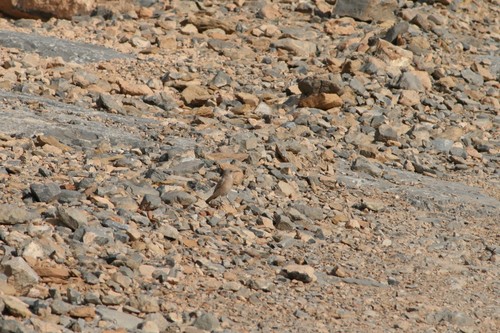 Collalba Afgana
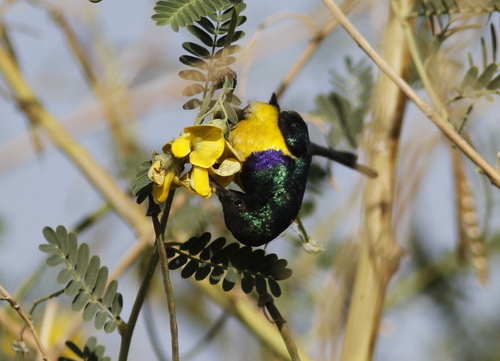 Suimanga del Nilo
En breve
La marca de campo más confiable para separar la Collalba Afgana del Suimanga del Nilo es la estructura general y el patrón de la cola: la Collalba Afgana es un ave robusta, erguida, similar a un zorzal, con una rabadilla rufo y un patrón de cola en forma de T negro, mientras que el Suimanga del Nilo es mucho más pequeño, esbelto y delicado, con un pico largo y curvado hacia abajo y, en los machos en época de cría, con streamers de cola alargados. En plumaje no reproductivo, el suimanga es de un gris uniforme por encima y amarillento por debajo, careciendo de cualquier patrón de cola rufo o negro. Si ves un ave pequeña con un pico largo y curvado y sin rabadilla rufo o cola negra, es un suimanga; un ave más grande y erguida con rabadilla rufo y cola en forma de T negra es una collalba. Las collalbas inmaduras y las hembras pueden ser apagadas, pero su estructura y patrón de cola siguen siendo distintivos. El hábitat y el comportamiento también ayudan: las collalbas forrajean en el suelo en áreas rocosas y abiertas, mientras que los suimangas son más propensos a estar en matorrales o jardines, a menudo flotando o alimentándose de flores.
Consejos de identificación
- Patrón de cola (todas las edades): La Collalba Afgana siempre muestra una rabadilla rufo y un patrón de cola en forma de T negro, visible tanto posada como en vuelo. El Suimanga del Nilo nunca muestra este patrón; su cola es uniforme, y en los machos en época de cría, es alargada con streamers pero no rufo ni marcada en T.
- Forma del pico: El suimanga tiene un pico largo, esbelto y distintivamente curvado hacia abajo, adaptado para alimentarse de néctar. El pico de la collalba es corto, recto y similar al de un zorzal, adecuado para la insectivoría. Esta es una verificación rápida y confiable, especialmente a corta distancia.
- Tamaño y estructura: La collalba es mucho más grande, erguida y robusta, con una apariencia similar a la de un gorrión. El suimanga es diminuto, esbelto y delicado, con una postura más horizontal y movimientos rápidos.
- Macho reproductor de suimanga (estacional): Para febrero, el macho del Suimanga del Nilo es inconfundible con partes superiores de color verde metálico, vientre amarillo brillante y long streamers de cola. Ninguna collalba muestra colores metálicos o una cola tan larga.
- Confusión de plumaje/no reproductivo: En invierno, ambos sexos del suimanga son de un gris uniforme por encima y amarillento por debajo, pero aún muestran el pico largo y curvado y carecen de cualquier patrón de cola rufo o negro. La collalba sigue siendo apagada pero es más grande y siempre tiene el patrón de cola.
- Supercilio: La collalba puede mostrar una débil franja pálida sobre el ojo (supercilio), especialmente en plumaje fresco. El suimanga carece de cualquier marca facial similar.
- Cobertoras de la oreja: La collalba puede tener un tinte rufo en las cobertoras de la oreja; el suimanga no.
- Bajo las alas: La collalba tiene cobertoras de alas inferiores de color blanco plateado, a veces visibles en vuelo. El bajo de las alas del suimanga no se describe como distintivo.
- Comportamiento de posado y forrajeo: La collalba se posa erguida en rocas o en el suelo, a menudo lanzándose para atrapar insectos. El suimanga es más propenso a ser visto flotando en flores o moviéndose rápidamente a través del follaje.
- Contexto del hábitat: Si el ave está en un área rocosa, árida o montañosa, favorece a la collalba. En jardines, matorrales de acacia o cerca de plantas con flores, favorece al suimanga.
- Estilo de vuelo: El vuelo de la collalba es directo y fuerte, a menudo entre rocas o posaderos. El vuelo del suimanga es más aleteante, con frecuentes flotaciones.
- Diferencias sexuales: Solo el macho reproductor del suimanga es verde metálico con streamers; las hembras y los pájaros no reproductores son apagados, pero aún muestran las diferencias estructurales.
- Vocalizaciones: La collalba emite silbidos repetidos y llamados de clic; el suimanga (no detallado aquí) típicamente tiene llamados altos, delgados. Usar con precaución a menos que estés familiarizado con ambos.
- Trampa: Las hembras y los inmaduros de collalba pueden parecer apagados y similares a los suimangas, pero siempre verifica la rabadilla rufo y la cola en forma de T, que los suimangas nunca muestran.
- Contexto estacional: Si se ve en febrero-abril y muestra verde metálico y streamers, es un macho suimanga. La collalba nunca muestra estas características, independientemente de la temporada.
Tamaño
La Collalba Afgana es significativamente más grande y robusta, midiendo aproximadamente 14.5 cm de longitud con una envergadura de 26–27 cm y pesando 20–27 g [wikipedia]. El Suimanga del Nilo es mucho más pequeño, solo 9–10 cm de largo, y es notablemente más ligero y delicado en su construcción. La cola del suimanga puede parecer más larga en los machos en época de cría debido a los streamers de la cola, pero el cuerpo sigue siendo mucho más pequeño y esbelto en general. En el campo, la diferencia de tamaño es sorprendente: la collalba es del tamaño de un gorrión y erguida, mientras que el suimanga es diminuto, casi similar a un curruca, y más activo.
Plumaje
- Juvenil/inmaduro/primer invierno de la Collalba Afgana: No se describe un patrón específico de ala superior juvenil, pero todas las edades muestran una rabadilla rufo y un patrón de cola en forma de T negro, que es consistente y diagnóstico. El plumaje es de un gris pardo apagado por encima y grisáceo-blanco por debajo, con un débil supercilio pálido y a veces un tinte rufo en las cobertoras de la oreja. Los sexos son similares, pero los machos tienen un pequeño área negra entre el ojo y el pico.
- Adulto de la Collalba Afgana: Mantiene el mismo patrón de cola y coloración apagada general. No hay un cambio estacional tan dramático como el del suimanga.
- Suimanga del Nilo (no reproductivo, ambos sexos): Diminuto, de un gris pálido uniforme por encima y amarillo deslavado por debajo, sin marcas fuertes, rufo o negro en la cola. El pico es largo y curvado hacia abajo.
- Macho reproductor del Suimanga del Nilo (para febrero): Se transforma en un verde brillante por encima, amarillo azufre brillante por debajo, y adquiere long streamers de cola. Sin rabadilla rufo ni cola en forma de T negra. Las hembras permanecen apagadas.
- Contraste clave: Solo la collalba muestra una rabadilla rufo y cola en forma de T negra en todas las edades; solo el suimanga tiene un macho reproductor verde metálico y un pico largo y curvado.
Comportamiento
La Collalba Afgana es un ave forrajera terrestre, erguida, a menudo vista en rocas o suelo desnudo, realizando vuelos cortos para atrapar insectos o cayendo al suelo para alimentarse. Se posa de manera conspicua y rara vez se la ve alimentándose de flores. El Suimanga del Nilo es mucho más activo y ágil, a menudo flotando en flores para alimentarse de néctar, a veces lanzándose por insectos, y rara vez posándose erguido en el suelo. Los machos pueden exhibirse flotando y mostrando sus streamers de cola. El estilo de forrajeo y la postura son inmediatamente diferentes: las collalbas son terrestres y erguidas, los suimangas son aéreos y a menudo flotan.
Hábitat
La Collalba Afgana cría en áreas montañosas, rocosas y áridas con poca vegetación, a menudo a altas elevaciones (1,200–4,000 m), y pasa el invierno en colinas rocosas, estepas y semi-desiertos. Rara vez se encuentra en áreas exuberantes y vegetadas. El Suimanga del Nilo se encuentra en una gama más amplia de hábitats, incluyendo matorrales, jardines y áreas con plantas en flor, a menudo a elevaciones más bajas y en entornos más vegetados o ribereños. Si el ave está en un paisaje rocoso, abierto y árido, es más probable que sea una collalba; en jardines, matorrales de acacia o con arbustos en flor, es más probable que sea un suimanga.
Voz
La Collalba Afgana tiene un silbido simple y repetido para su canto, y los llamados incluyen notas de clic, rasguños y silbidos. Las vocalizaciones del Suimanga del Nilo no se describen en detalle aquí, pero los suimangas típicamente tienen llamados altos, delgados y rápidos y a veces una débil canción trémula. En la práctica, los llamados de la collalba son más similares a los de un zorzal y menos agudos que los del suimanga, pero las vocalizaciones no son la herramienta de separación más confiable a menos que se escuche claramente el canto.