

Motmot

アカアシヒメクイナ 対 ナンベイムラサキバン

Mustelirallus erythrops 対 Porphyrio flavirostris

アカアシヒメクイナとナンベイムラサキバンのクイズ
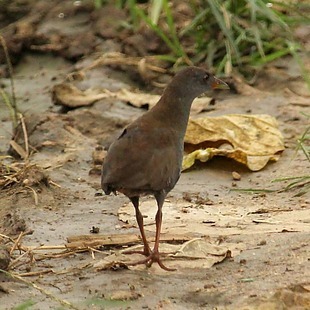
アカアシヒメクイナ (Mustelirallus erythrops) アカアシヒメクイナ
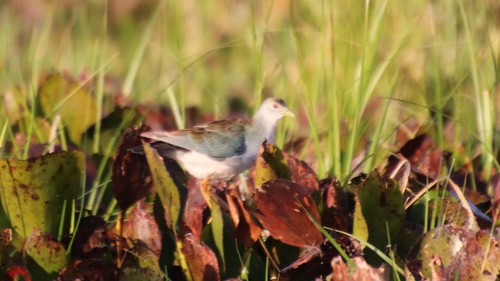
ナンベイムラサキバン (Porphyrio flavirostris) ナンベイムラサキバン

メディア

読み込み中…

要点

アカアシヒメクイナとナンベイムラサキバンを区別する最も信頼できるフィールドマークは、くちばしと脚の色です:アカアシヒメクイナは特徴的な赤と黄色のくちばしと明るい赤の脚を持ち、ナンベイムラサキバンは淡い緑がかった黄色のくちばしと盾、黄色の脚を示します。飛行中または静止中、ナンベイムラサキバンは著しく大きく、ずんぐりした体形で、青みがかった上翼と淡い青灰色の顔と胸を持ち、クレークの茶色がかった、より隠れた羽毛や下部の大胆な白黒の縞模様と対照的です。未成熟のナンベイムラサキバンは混乱を招くことがありますが、彼らの黄橙色の脚と淡い顔/胸が助けになります。両種は似たような湿地生息地に出現することがありますが、クレークははるかに秘密主義で、開けた場所ではめったに見られません。

識別のコツ

  1. Bill color: アカアシヒメクイナは目を引く赤と黄色のくちばしを持っています;ナンベイムラサキバンのくちばしと盾は淡い緑がかった黄色です。これは遠くからでも、または悪い光の中でもしばしば見えます。
  2. Leg color: アカアシヒメクイナの脚は明るい赤ですが、ナンベイムラサキバンの脚は黄色(成鳥)または黄橙色(未成熟)です。赤い脚が見えたら、それはクレークです。
  3. Size and structure: ナンベイムラサキバンはアカアシヒメクイナよりも明らかに大きく、脚が長く、ずんぐりしています。クレークはよりコンパクトでレールのように見え、尾と首が短いです。
  4. Upperwing and face color: ナンベイムラサキバンは青から緑がかった青の上翼の覆い羽と淡い青灰色の顔と胸(成鳥)を示します;アカアシヒメクイナは青やアジュールの色合いを欠き、代わりに茶色の上面と灰色の顔/胸を示します。
  5. Underpart pattern: アカアシヒメクイナは側面、腹部、肛門に大胆な白黒の縞模様があります(すべての年齢);ナンベイムラサキバンは縞模様のない単色の白い下部を持っています(すべての年齢)。
  6. Juvenile/immature confusion: 未成熟のナンベイムラサキバンは淡い顔、首、胸を持ち、緑の盾と黄橙色の脚を持っています—クレークの縞模様や赤い色合いは決して示しません。淡い色の平らな顔を持つ鳥と黄橙色の脚が見えたら、未成熟のガリヌールを疑ってください。
  7. Tail and uppertail coverts: ナンベイムラサキバンの尾と上尾羽は茶色がかったオリーブ色から黒で、背中と混ざり合っています;アカアシヒメクイナの尾は茶色で、上面と一致し、対照的ではありません。
  8. Behavior: アカアシヒメクイナは非常に秘密主義で、開けた場所ではめったに見られません;ナンベイムラサキバンはより頻繁に浮遊植物の上を歩いたり、開けた湿地で見られます。
  9. Habitat context: 鳥が乾燥した牧草地、茂みの端、または水田にいる場合、アカアシヒメクイナの可能性が高いです。浮遊する水生植物や開けた湿地にいる場合、ナンベイムラサキバンが好まれます。
  10. Flight style: アカアシヒメクイナは低く飛び立ち、すぐに隠れ場所に戻ります;ナンベイムラサキバンはさらに飛ぶことができ、密な隠れ場所に厳密に結びついていません。
  11. Sexes: 両種は性別的に単形であり、識別のために性別に依存しないでください。
  12. Seasonal movements: ナンベイムラサキバンは湿季以外のいくつかの地域から欠けることがありますが、アカアシヒメクイナの存在はその秘密主義的な性質のために予測が難しいです。
  13. Geographic overlap: 両者は南アメリカの北部および中央部の多くの地域で一緒に出現することができるため、範囲だけでは診断的ではありません。
  14. No blue or green in crake: 翼や顔に青やアジュールの色合いがある場合、アカアシヒメクイナは除外されます。
  15. No barring in gallinule: 下部に黒と白の縞模様がある場合、ナンベイムラサキバンは除外されます。

大きさ

ナンベイムラサキバンは著しく大きく、重いです:成鳥は23–26 cmの長さで、92–111 g(オス)または92–107 g(メス)[wikipedia]、一方アカアシヒメクイナは18–20 cmで40–70 gです[wikipedia]。ガリヌールは最小のPorphyrioですが、依然としてクレークよりもずんぐりしていて脚が長いです。フィールドでは、ガリヌールの長い脚と首、より直立した姿勢が通常明らかです。

羽色

行動

アカアシヒメクイナは非常に秘密主義で、開けた場所ではめったに見られず、通常は密な草、葦、または茂みの中を忍び寄り、しばしば隙間を横切るときにしかちらりと見えません。ナンベイムラサキバンは浮遊植物の上を歩いたり、時には開けた場所で出現することが多いです。ガリヌールの長い指と脚は、水生植物の上をより自信を持って移動することを可能にします。アカアシヒメクイナは低く飛び立ち、すぐに隠れ場所に戻る可能性が高いですが、ナンベイムラサキバンはさらに飛ぶことができ、密な隠れ場所に厳密に結びついていません。

生息環境

両種は湿地、葦原、湿った草地に生息しますが、アカアシヒメクイナはより乾燥したまたは混合した湿乾の牧草地、水田、時には茂みや森林の端に見られることが多いです、特に南アメリカでは。ナンベイムラサキバンは湿地、湖、洪水した田んぼの水生植物により厳密に関連しており、しばしば浮遊植物がある場所で見られます。クレークの秘密主義的な習性は、ガリヌールと比較して開水や浮遊植物で見られる可能性が低くなります。

より良い説明を送る

比較と同じ項目を使ってください。文章はすぐに公開されます。

The most reliable field mark to separate Paint-billed Crake from Azure Gallinule is the bill and leg color: Paint-billed Crake has a distinctive red and yellow bill with bright red legs, while Azure Gallinule shows a pale greenish-yellow bill and shield with yellow legs. In flight or at rest, Azure Gallinule is notably larger and bulkier, with a blue-toned upperwing and pale blue-gray face and breast, contrasting with the crake's browner, more cryptic plumage and bold black-and-white barring on the underparts. Immature Azure Gallinules can be confusing, but their yellowish-orange legs and buffy face/breast help. Both species can occur in similar marshy habitats, but the crake is much more secretive and rarely seen in the open.

  1. Bill color: Paint-billed Crake has a striking red and yellow bill; Azure Gallinule's bill and shield are pale greenish-yellow. This is often visible even at a distance or in poor light.
  2. Leg color: Paint-billed Crake's legs are bright red, while Azure Gallinule's are yellow (adults) or yellowish-orange (immature). If you see red legs, it's the crake.
  3. Size and structure: Azure Gallinule is noticeably larger, longer-legged, and bulkier than Paint-billed Crake. The crake appears more compact and rail-like, with a shorter tail and neck.
  4. Upperwing and face color: Azure Gallinule shows blue to greenish-blue upperwing coverts and a pale blue-gray face and breast (adults); Paint-billed Crake lacks any blue or azure tones, instead showing brown upperparts and gray face/breast.
  5. Underpart pattern: Paint-billed Crake has bold black-and-white barring on the flanks, belly, and vent (all ages); Azure Gallinule has plain white underparts with no barring (all ages).
  6. Juvenile/immature confusion: Immature Azure Gallinule has a buffy face, neck, and breast, with a green shield and yellowish-orange legs—never shows the crake's barring or red tones. If you see a buffy, plain-faced bird with yellowish legs, suspect immature gallinule.
  7. Tail and uppertail coverts: Azure Gallinule's tail and uppertail coverts are brownish-olive to black, blending with the back; Paint-billed Crake's tail is brown, matching the upperparts, and not contrasting.
  8. Behavior: Paint-billed Crake is extremely furtive, rarely in the open; Azure Gallinule is more often seen walking on floating vegetation or in open marsh.
  9. Habitat context: If the bird is in a drier pasture, bushy edge, or rice field, Paint-billed Crake is more likely. If on floating aquatic plants or open marsh, Azure Gallinule is favored.
  10. Flight style: Paint-billed Crake flushes low and quickly drops into cover; Azure Gallinule may fly further and is less strictly tied to dense cover.
  11. Sexes: Both species are sexually monomorphic—do not rely on sex for identification.
  12. Seasonal movements: Azure Gallinule may be absent from some areas outside the wet season, while Paint-billed Crake's presence is less predictable due to its secretive nature.
  13. Geographic overlap: Both can occur together in much of northern and central South America, so range alone is not diagnostic.
  14. No blue or green in crake: Any blue or azure tones on the wing or face rule out Paint-billed Crake.
  15. No barring in gallinule: Any black-and-white barring on the underparts rules out Azure Gallinule.

Azure Gallinule is significantly larger and heavier: adults are 23–26 cm long and weigh 92–111 g (males) or 92–107 g (females) [wikipedia], while Paint-billed Crake is 18–20 cm and 40–70 g [wikipedia]. The gallinule is the smallest Porphyrio but still bulkier and longer-legged than the crake, which is a compact, short-tailed rail. In the field, the gallinule's longer legs and neck, as well as its more upright posture, are usually apparent.

  • Juvenile/Immature Azure Gallinule: Upperparts are browner than adults, with a buffy face, neck, and breast; green frontal shield; yellowish-orange legs. No bold barring below.
  • Adult Azure Gallinule: Pale greenish-yellow bill and shield, yellow legs, pale brownish-olive crown/back, blue to greenish-blue upperwing coverts, gray-blue flight feathers, pale blue-gray face/sides of neck/breast, white belly, brownish-olive to black tail.
  • Paint-billed Crake (all ages): Red and yellow bill, bright red legs, brown crown/nape/back, white throat, gray face/throat/breast, bold black-and-white barring on flanks/belly/vent. No blue tones or pale blue-gray face. Sexes alike.
  • Key contrast: Paint-billed Crake always shows strong underpart barring and lacks any blue or greenish tones; Azure Gallinule (even immature) never shows such barring and has blue/azure tones on wing and face.

Paint-billed Crake is extremely furtive, rarely seen in the open, and typically skulks through dense grass, reeds, or thickets, often only glimpsed as it darts across a gap. Azure Gallinule is more likely to be seen walking on floating vegetation or clambering about in emergent marsh plants, sometimes in the open. The gallinule's longer toes and legs allow it to move more confidently atop aquatic vegetation. Paint-billed Crake is more likely to flush low and drop quickly back into cover, while Azure Gallinule may fly further and is less strictly tied to dense cover.

Both species occur in marshes, reedbeds, and wet grasslands, but Paint-billed Crake is more often found in drier or mixed wet-dry pastures, rice fields, and sometimes bushy or wooded edges, especially in South America. Azure Gallinule is more strictly associated with aquatic vegetation in marshes, lakes, and flooded fields, often where there are floating plants. The crake's secretive habits mean it is less likely to be seen in open water or on floating plants compared to the gallinule.

変更を破棄しますか?

保存していない編集があります。今離れると失われます。

アカアシヒメクイナ · ナンベイムラサキバン · 苦手な鳥