

Motmot

ヤンバルクイナ 対 オオクイナ

Gallirallus okinawae 対 Rallina eurizonoides

ヤンバルクイナとオオクイナのクイズ
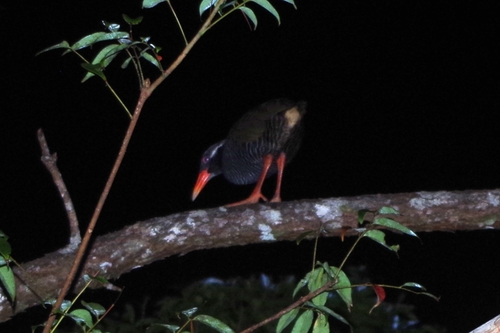
ヤンバルクイナ (Gallirallus okinawae) ヤンバルクイナ
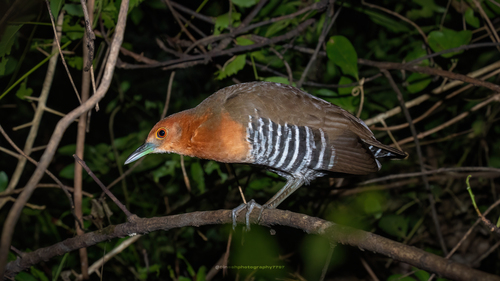
オオクイナ (Rallina eurizonoides) オオクイナ

メディア

読み込み中…

要点

ヤンバルクイナとオオクイナを区別する最も信頼できるフィールドマークは、明るい赤いくちばしと脚(ヤンバルクイナ)と、黄味がかったくちばしと緑の脚(オオクイナ)の組み合わせであり、薄暗い光の中でも見えます。幼鳥の羽毛も異なります:若いヤンバルクイナは下側がより淡く斑点模様ですが、幼鳥のオオクイナは全体的に暗褐色ですが、腹部の縞模様と白い喉を保持しています。ヤンバルクイナはほぼ飛べず、非常に短い翼と尾を持ち、沖縄島に限定されていますが、オオクイナはより広範囲に分布し、飛ぶ能力が高いです。両者ともに縞模様のある下部を持っていますが、ヤンバルクイナの黒と白の縞模様は黒い背景の上にあり、オオクイナは栗色のトーンと白い喉を示します。

識別のコツ

  1. Bill color: ヤンバルクイナは大きく明るい赤いくちばしを持ち、白っぽい先端(成鳥)がありますが、オオクイナは黄味がかったくちばしを持っています。これはすべての年齢で見えますが、幼鳥のヤンバルクイナは褐色のくちばしを持っています。
  2. Leg color: 成鳥のヤンバルクイナは明るい赤い脚を持ち、オオクイナは緑の脚を持っています。幼鳥のヤンバルクイナは黄土色の脚と足を持ち、オオクイナの幼鳥は緑がかった脚を持っています。
  3. Facial pattern: ヤンバルクイナは目の前に白い斑点がある黒い顔を示し、目の後ろに白い線が首まで伸びています。オオクイナはこれらの顔の縞模様がなく、代わりに白い喉を持っています。
  4. Underparts barring: 両種ともに下部に黒と白の縞模様がありますが、ヤンバルクイナの縞模様は黒い背景の上にあり、狭いです。一方、オオクイナの縞模様は大胆で、栗色または褐色の背景の上にあり、白い喉と栗色の胸を持っています。
  5. Upperparts: ヤンバルクイナは上面がオリーブ褐色で、オオクイナは上面が褐色で栗色の頭と胸を持っています。
  6. Juvenile plumage: 幼鳥のヤンバルクイナは淡く、下側が斑点模様で、顔のマークがあまりはっきりせず、黄土色の脚を持っています。幼鳥のオオクイナは上面と下面が暗褐色ですが、腹部の縞模様と白い喉を示します。
  7. Tail and wings: ヤンバルクイナは非常に短い翼と尾を持ち、ほぼ飛べず、しばしばずんぐりした重い体に見えます。オオクイナは短い尾を持っていますが、飛ぶ能力があり、より細身に見えます。
  8. Body shape: ヤンバルクイナは特に脚とくちばしが太くて頑丈で、オオクイナは密な植生を通るために横に圧縮されています。
  9. Behavior: ヤンバルクイナは通常、地面を走ったり木に止まったりしているのが見られ、飛ぶことはほとんどありません。オオクイナは秘密主義で、しばしば茂みの中に隠れ、追い立てられると飛ぶことができます。
  10. Habitat: ヤンバルクイナは沖縄島の北部の森林にのみ見られ、オオクイナは南アジアと東南アジアの森林湿地に広く分布しています。
  11. Size: ヤンバルクイナは大きく(30 cm、435 g)で、オオクイナ(25 cm、軽い体格)よりも重いです。
  12. Iris color: 成鳥のヤンバルクイナは赤い虹彩と目の輪を持っていますが、オオクイナはこの特徴を示しません。
  13. Context: 沖縄の外で見られた場合、ほぼ確実にヤンバルクイナではありません。沖縄の密な亜熱帯の森林にいる場合、オオクイナは非常に可能性が低いです。
  14. Vocalization: ヤンバルクイナは夜明けと夕暮れに騒がしく、しばしば群れで鳴きます。オオクイナは秘密主義で、あまり聞かれません。
  15. Pitfalls: 両種ともに縞模様のある下部を持っていますが、顔の縞模様、くちばしと脚の色、全体の体格を確認して混乱を避けてください、特に幼鳥の場合。

大きさ

ヤンバルクイナは大きくて重く、長さ約30 cm、翼幅48〜50 cm、重さ約435 gです [wikipedia]。オオクイナは小さく、約25 cmの長さで、密な下草を移動するためにより細身で横に圧縮された体を持っています [wikipedia]。ヤンバルクイナは特に脚とくちばしが太くて頑丈に見えます。

羽色

行動

ヤンバルクイナはほぼ飛べず、急速に走りますが、飛ぶことはほとんどなく、ほとんどの時間を地面で過ごしますが、木に止まります。通常は密なカバーの中で見られますが、入浴のために開けることがあります。オオクイナは秘密主義で、動揺すると茂みの中に隠れることを好みますが、飛ぶ能力があり、平らな体のおかげで下草を容易に移動します。両者ともに地面で餌を探しますが、オオクイナは茂みを登ることもあります。

生息環境

ヤンバルクイナは日本の沖縄島に特有で、亜熱帯の湿った森林と隣接する生息地に限定されています。この狭い範囲の外には見られません。オオクイナは南アジアと東南アジア全体に広く分布し、インドからインドネシア、フィリピンまでの湿った森林地域で繁殖します。両種は珍しい迷子としてしか分布が重ならず、生息地の文脈は強い手がかりです:ヤンバルクイナは沖縄の北部の森林にのみ見られます。

声

ヤンバルクイナは騒がしく、特に夜明けと夕暮れにさまざまな大きな声で鳴き、しばしばペアや群れで鳴きます。オオクイナは秘密主義とされ、特に目立った鳴き声はメモに指定されていないため、提供された情報では声は信頼できる区別要因ではありません。

より良い説明を送る

比較と同じ項目を使ってください。文章はすぐに公開されます。

The most reliable field mark to separate Okinawa Rail from Slaty-legged Crake is the combination of bright red bill and legs (Okinawa Rail) versus yellowish bill and green legs (Slaty-legged Crake), visible even in poor light. Juvenile plumage also differs: young Okinawa Rails are paler and mottled below, while juvenile Slaty-legged Crakes are dark brown overall but retain belly barring and a white throat. Okinawa Rail is nearly flightless with very short wings and tail, and is restricted to Okinawa Island, while Slaty-legged Crake is more widespread and a better flyer. Both have barred underparts, but the Okinawa Rail's black-and-white barring is on a black background, while the Slaty-legged Crake shows chestnut tones and a white throat.

  1. Bill color: Okinawa Rail has a large, bright red bill with a whitish tip (adult), while Slaty-legged Crake has a yellowish bill. This is visible at all ages except juvenile Okinawa Rail, which has a brownish bill.
  2. Leg color: Adult Okinawa Rail has bright red legs; Slaty-legged Crake has green legs. Juvenile Okinawa Rail has yellow-ochre legs and feet, while Slaty-legged Crake young have greenish legs.
  3. Facial pattern: Okinawa Rail shows a black face with a white spot in front of the eye and a white line behind the eye, extending to the neck; Slaty-legged Crake lacks these facial stripes and instead has a white throat.
  4. Underparts barring: Both species have black-and-white barring below, but Okinawa Rail's barring is on a black background and is narrow, while Slaty-legged Crake's barring is bold and on a chestnut or brown background, with a white throat and chestnut breast.
  5. Upperparts: Okinawa Rail is olive-brown above; Slaty-legged Crake is brown above with a chestnut head and breast.
  6. Juvenile plumage: Juvenile Okinawa Rail is paler and mottled below, with less distinct facial marks and yellow-ochre legs; juvenile Slaty-legged Crake is dark brown above and below but still shows belly barring and a white throat.
  7. Tail and wings: Okinawa Rail has very short wings and tail and is nearly flightless, often appearing stubby and heavy-bodied. Slaty-legged Crake has a short tail but is a capable flyer and appears more slender.
  8. Body shape: Okinawa Rail is bulkier and more robust, especially in the legs and bill; Slaty-legged Crake is more laterally compressed for moving through dense vegetation.
  9. Behavior: Okinawa Rail is usually seen running on the ground or roosting in trees, rarely flying. Slaty-legged Crake is secretive, often hiding in bushes, and can fly when flushed.
  10. Habitat: Okinawa Rail is only found in the forests of northern Okinawa Island; Slaty-legged Crake is widespread in wooded wetlands across South and Southeast Asia.
  11. Size: Okinawa Rail is larger (30 cm, 435 g) and heavier than Slaty-legged Crake (25 cm, lighter build).
  12. Iris color: Adult Okinawa Rail has a red iris and eye-ring; Slaty-legged Crake does not show this feature.
  13. Context: If seen outside Okinawa, it is almost certainly not Okinawa Rail. If in dense subtropical forest on Okinawa, Slaty-legged Crake is extremely unlikely.
  14. Vocalization: Okinawa Rail is noisy at dawn and dusk, often calling in groups; Slaty-legged Crake is secretive and less often heard.
  15. Pitfalls: Both species have barred underparts, but check for facial stripes, bill and leg color, and overall bulk to avoid confusion, especially in juveniles.

Okinawa Rail is larger and heavier, measuring about 30 cm in length with a wingspan of 48–50 cm and a weight around 435 g [wikipedia]. Slaty-legged Crake is smaller, about 25 cm long, with a more slender, laterally compressed body for moving through dense undergrowth [wikipedia]. The Okinawa Rail appears bulkier and more robust, especially in the legs and bill.

  • Juvenile/immature: Juvenile Okinawa Rail is paler than the adult, with white mottling below instead of the adult's narrow white bars, and the facial white marks are less distinct. Bill and iris are brownish, legs and feet yellow-ochre. Juvenile Slaty-legged Crake is dark brown above and below, but retains the strong black-and-white belly barring and a white throat, lacking the facial stripes of Okinawa Rail.

  • Adult: Okinawa Rail has olive-brown upperparts, black underparts with narrow white bars, a black face with a white spot in front of the eye and a white line behind the eye, and dark brown undertail with pale bars. The bill and legs are bright red. Slaty-legged Crake has a brown back, chestnut head and breast, strong black-and-white barring on flanks, belly, and undertail, a white throat, yellowish bill, and green legs. Sexes are similar in both species.

Okinawa Rail is almost flightless, running rapidly but rarely flying, and spends most of its time on the ground, though it roosts in trees. It is usually seen in dense cover but may come into the open to bathe. Slaty-legged Crake is secretive and prefers to hide in bushes when disturbed, but is capable of flight and moves through undergrowth with ease due to its flattened body. Both forage on the ground, but Slaty-legged Crake may also clamber through bushes.

Okinawa Rail is endemic to Okinawa Island, Japan, and restricted to subtropical moist forests and adjacent habitats. It is not found outside this small range. Slaty-legged Crake is widespread across South and Southeast Asia, breeding in swamps and wet, wooded areas from India to Indonesia and the Philippines. The two species do not overlap in range except as rare vagrants, and habitat context is a strong clue: Okinawa Rail is only found in the forests of northern Okinawa.

Okinawa Rail is noisy, with a variety of loud calls, especially at dawn and dusk, often calling in pairs or groups. Slaty-legged Crake is described as secretive; no distinctive vocalizations are specified in the notes, so voice is not a reliable separator with the information provided.

変更を破棄しますか?

保存していない編集があります。今離れると失われます。

ヤンバルクイナ · オオクイナ · 苦手な鳥