

Okinawa Rail vs Slaty-legged Crake
Gallirallus okinawae contro Rallina eurizonoides
Fai un quiz con Okinawa Rail e Slaty-legged Crake
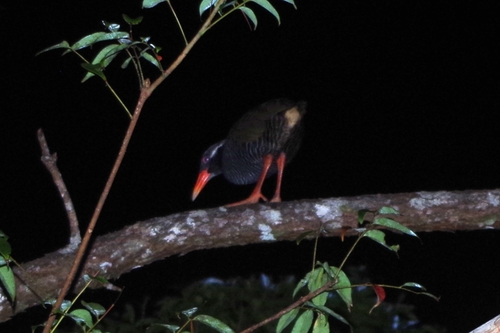 Okinawa Rail
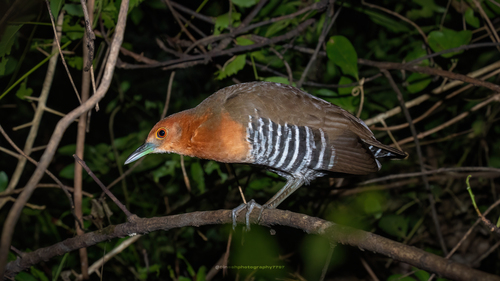 Slaty-legged Crake
In breve
Il segno distintivo più affidabile per separare Okinawa Rail da Slaty-legged Crake è la combinazione di becco e zampe rosso brillante (Okinawa Rail) rispetto a becco giallastro e zampe verdi (Slaty-legged Crake), visibile anche in scarsa illuminazione. Anche il piumaggio giovanile differisce: i giovani Okinawa Rails sono più chiari e maculati sotto, mentre i giovani Slaty-legged Crakes sono di colore marrone scuro nel complesso ma mantengono le barre sul ventre e una gola bianca. Okinawa Rail è quasi incapace di volare con ali e coda molto corte ed è limitato all'isola di Okinawa, mentre Slaty-legged Crake è più diffuso e un migliore volatore. Entrambi hanno parti inferiori barrate, ma le barre in bianco e nero di Okinawa Rail sono su uno sfondo nero, mentre Slaty-legged Crake mostra toni castani e una gola bianca.
Consigli di identificazione
- Colore del becco: Okinawa Rail ha un grande becco rosso brillante con una punta bianca (adulto), mentre Slaty-legged Crake ha un becco giallastro. Questo è visibile a tutte le età tranne che nel giovane Okinawa Rail, che ha un becco marrone.
- Colore delle zampe: L'adulto Okinawa Rail ha zampe rosse brillanti; Slaty-legged Crake ha zampe verdi. Il giovane Okinawa Rail ha zampe e piedi giallo-ocra, mentre i giovani Slaty-legged Crake hanno zampe verdastre.
- Schema facciale: Okinawa Rail mostra un volto nero con una macchia bianca davanti all'occhio e una linea bianca dietro l'occhio, che si estende fino al collo; Slaty-legged Crake non ha queste strisce facciali e ha invece una gola bianca.
- Barre delle parti inferiori: Entrambe le specie hanno barre in bianco e nero sotto, ma le barre di Okinawa Rail sono su uno sfondo nero e sono strette, mentre le barre di Slaty-legged Crake sono audaci e su uno sfondo castano o marrone, con una gola bianca e un petto castano.
- Parti superiori: Okinawa Rail è di colore oliva-marrone sopra; Slaty-legged Crake è marrone sopra con una testa e un petto castani.
- Piumaggio giovanile: Il giovane Okinawa Rail è più chiaro e maculato sotto, con segni facciali meno distinti e zampe giallo-ocra; il giovane Slaty-legged Crake è marrone scuro sopra e sotto ma mostra ancora barre sul ventre e una gola bianca.
- Coda e ali: Okinawa Rail ha ali e coda molto corte ed è quasi incapace di volare, apparendo spesso tozzo e pesante. Slaty-legged Crake ha una coda corta ma è un volatore capace e appare più snello.
- Forma del corpo: Okinawa Rail è più robusto e massiccio, specialmente nelle zampe e nel becco; Slaty-legged Crake è più compresso lateralmente per muoversi attraverso la vegetazione densa.
- Comportamento: Okinawa Rail è solitamente visto correre a terra o posarsi sugli alberi, raramente vola. Slaty-legged Crake è segreto, spesso si nasconde nei cespugli, e può volare quando viene disturbato.
- Habitat: Okinawa Rail si trova solo nelle foreste dell'isola di Okinawa; Slaty-legged Crake è diffuso nelle zone umide boschive in tutta l'Asia meridionale e sudorientale.
- Dimensioni: Okinawa Rail è più grande (30 cm, 435 g) e più pesante di Slaty-legged Crake (25 cm, costruzione più leggera).
- Colore dell'iride: L'adulto Okinawa Rail ha un'iride rossa e un anello oculare; Slaty-legged Crake non mostra questa caratteristica.
- Contesto: Se visto al di fuori di Okinawa, è quasi certamente non Okinawa Rail. Se in una foresta subtropicale densa su Okinawa, Slaty-legged Crake è estremamente improbabile.
- Vocalizzazione: Okinawa Rail è rumoroso all'alba e al tramonto, spesso chiamando in gruppi; Slaty-legged Crake è segreto e meno spesso udito.
- Trappole: Entrambe le specie hanno parti inferiori barrate, ma controlla le strisce facciali, il colore del becco e delle zampe e la massa complessiva per evitare confusione, specialmente nei giovani.
Taglia
Okinawa Rail è più grande e più pesante, misurando circa 30 cm di lunghezza con un'apertura alare di 48–50 cm e un peso di circa 435 g [wikipedia]. Slaty-legged Crake è più piccolo, circa 25 cm di lunghezza, con un corpo più snello e compresso lateralmente per muoversi attraverso la vegetazione densa [wikipedia]. L'Okinawa Rail appare più massiccio e robusto, specialmente nelle zampe e nel becco.
Piumaggio
-
Giovanile/immaturo: Il giovane Okinawa Rail è più chiaro dell'adulto, con maculature bianche sotto invece delle strette barre bianche dell'adulto, e i segni bianchi facciali sono meno distinti. Il becco e l'iride sono marroni, zampe e piedi giallo-ocra. Il giovane Slaty-legged Crake è marrone scuro sopra e sotto, ma mantiene le forti barre in bianco e nero sul ventre e una gola bianca, mancando delle strisce facciali di Okinawa Rail.
-
Adulto: Okinawa Rail ha parti superiori di colore oliva-marrone, parti inferiori nere con strette barre bianche, un volto nero con una macchia bianca davanti all'occhio e una linea bianca dietro l'occhio, e una coda scura con barre chiare. Il becco e le zampe sono di un rosso brillante. Slaty-legged Crake ha un dorso marrone, testa e petto castani, forti barre in bianco e nero sui fianchi, ventre e coda, una gola bianca, becco giallastro e zampe verdi. I sessi sono simili in entrambe le specie.
Comportamento
Okinawa Rail è quasi incapace di volare, correndo rapidamente ma raramente volando, e trascorre la maggior parte del suo tempo a terra, anche se si posano sugli alberi. È solitamente visto in copertura densa ma può venire allo scoperto per fare il bagno. Slaty-legged Crake è segreto e preferisce nascondersi nei cespugli quando viene disturbato, ma è capace di volo e si muove attraverso la vegetazione con facilità grazie al suo corpo appiattito. Entrambi si nutrono a terra, ma Slaty-legged Crake può anche arrampicarsi attraverso i cespugli.
Habitat
Okinawa Rail è endemico dell'isola di Okinawa, Giappone, e limitato a foreste umide subtropicali e habitat adiacenti. Non si trova al di fuori di questo piccolo raggio. Slaty-legged Crake è diffuso in tutta l'Asia meridionale e sudorientale, nidificando in paludi e aree boschive umide dall'India all'Indonesia e alle Filippine. Le due specie non si sovrappongono nel raggio tranne che come rari vagabondi, e il contesto dell'habitat è un forte indizio: Okinawa Rail si trova solo nelle foreste del nord di Okinawa.
Voce
Okinawa Rail è rumoroso, con una varietà di richiami forti, specialmente all'alba e al tramonto, spesso chiamando in coppie o gruppi. Slaty-legged Crake è descritto come segreto; non sono specificate vocalizzazioni distintive nelle note, quindi la voce non è un separatore affidabile con le informazioni fornite.
Okinawa Rail · Slaty-legged Crake · I miei uccelli difficili