

Motmot

ホオジロカンムリヅル 対 タンチョウ

Balearica regulorum 対 Grus japonensis

ホオジロカンムリヅルとタンチョウのクイズ
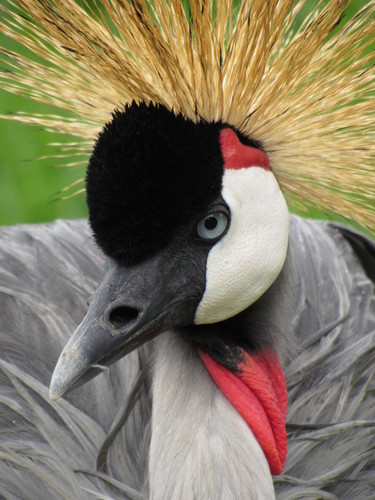
ホオジロカンムリヅル (Balearica regulorum) ホオジロカンムリヅル
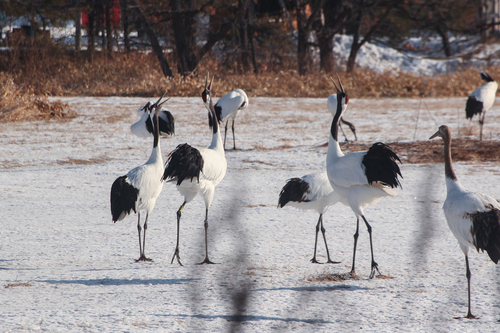
タンチョウ (Grus japonensis) タンチョウ

メディア

読み込み中…

要点

ホオジロカンムリヅルとタンチョウの最も信頼できるフィールドマークは頭部です:ホオジロカンムリヅルは硬い羽毛の目立つ金色の冠と明るい赤い喉袋を示し、タンチョウは冠に裸の赤い斑点と主に白い顔を持っています。飛行中または静止中、ホオジロカンムリヅルは主に灰色で複雑な翼の色合いと金色の斑点が見られますが、タンチョウは雪のように白く、黒い翼の二次羽が黒い尾のように見えることがあります。幼鳥の羽毛も異なります:若いホオジロカンムリヅルは全体的に灰色がかっており、バフ色の顔を持ち、幼鳥のタンチョウは白く、黄褐色と灰色のトーンがあり、成鳥の赤い冠がありません。サイズは強い手がかりです—タンチョウははるかに大きく重いです。生息地と行動はさらなる違いを提供します:ホオジロカンムリヅルはアフリカのサバンナでよく見られ、木に止まることができますが、タンチョウは北東アジアの湿地の専門家です。

識別のコツ

  1. 金色の羽毛の冠 vs. 裸の赤い冠:ホオジロカンムリヅルは常に硬い羽毛の金色の冠を示し、タンチョウは冠に裸の赤い皮膚の斑点があります(成鳥のみ)。これは年齢に関係なく最も信頼できるマークです。
  2. 赤い喉袋:ホオジロカンムリヅルはくちばしの下に明るい赤い膨張可能な喉袋を持ち、ディスプレイや静止時に明らかです;タンチョウはこの特徴がありません。
  3. 頬と顔の色:ホオジロカンムリヅルは白い頬と主に暗い顔を持ち、タンチョウの顔は主に白く、赤い冠と(オスの場合)頬、喉、首に黒があります;メスはこれらの部分が真珠のような灰色です。
  4. 幼鳥の頭の模様:幼鳥のホオジロカンムリヅルは全体的に灰色がかっており、バフ色の羽毛の顔を持ち、金色の冠がありません;幼鳥のタンチョウは白く、黄褐色と灰色のトーンがあり、灰色からコーヒー色の首の襟があり、裸の赤い皮膚がありません。
  5. 成鳥の体色:ホオジロカンムリヅルは主に灰色の体を持ち、翼には白、暗灰色、暗赤色、金色の黄色があります;タンチョウは雪のように白く、黒い翼の二次羽と白い尾を持っています。
  6. 飛行中の翼の模様:タンチョウは白い初級羽と体に対して黒い二次羽を示し、ホオジロカンムリヅルは金色の黄色、白、暗いトーンを持つより複雑でカラフルな翼を持っていますが、はっきりとした白黒のコントラストはありません。
  7. 見かけの「黒い尾」:立っているとき、タンチョウの黒い二次羽は黒い尾のように見えることがありますが、実際の尾は白です;ホオジロカンムリヅルはこの効果を示しません。
  8. くちばしと脚の色:ホオジロカンムリヅルは短い灰色のくちばしと黒い脚を持ち、タンチョウは長いオリーブグリーンから角色のくちばしとスレートから灰色がかった黒の脚を持っています。
  9. サイズ:タンチョウはホオジロカンムリヅル(1 m、3.5 kg)よりもはるかに大きく重い(最大1.5 m、8–10 kg)です。これは明確な参照とともに使用してください。
  10. 止まり方:ホオジロカンムリヅルだけが長い後ろの足指のおかげで木に止まります;タンチョウは決してそうしません。
  11. 生息地:ホオジロカンムリヅルはアフリカのサバンナ、湿地、耕作地に見られ、タンチョウは北東アジアの湿地と河川の草地に限定されています。
  12. ディスプレイと群れ:ホオジロカンムリヅルはしばしば活発に踊り、大きな群れを形成します;タンチョウは移動/冬以外はペアや小さな家族グループで見られることが多いです。
  13. 鳴き声:ホオジロカンムリヅルは、タンチョウのクラシックなバグリングとはかなり異なる、轟音/ホンキングの呼び声を出します。
  14. 幼鳥の翼の模様:幼鳥のタンチョウは鈍い黒と茶色の二次羽と白で先端が黒の初級羽を示し、ホオジロカンムリヅルの幼鳥はより均一に灰色です。
  15. 文脈:アフリカで見られた場合はホオジロカンムリヅルです;北東アジアで見られた場合はタンチョウです。これらの種は野生では重複しません。

大きさ

タンチョウはホオジロカンムリヅルよりもかなり大きく重いです。タンチョウは150–158 cm(ほぼ5フィート)の高さで、翼幅は220–250 cm(7–8フィート以上)、平均して8–10 kgの重さで、最も重いツルの種です[wikipedia][avonet]。対照的に、ホオジロカンムリヅルは約1 m(3フィート3インチ)の高さで、翼幅は2 m(6フィート7インチ)、重さは約3.5 kgです[wikipedia][avonet]。このサイズの違いは直接比較では明らかですが、距離がある場合や参照がない場合はそれほど明確ではありません。

羽色

幼鳥と未成熟の鳥は、頭と翼の模様で最も簡単に区別できます。幼鳥のホオジロカンムリヅルは成鳥よりも全体的に灰色がかっており、羽毛のバフ色の顔を持ち、成鳥の金色の冠と赤い喉袋がありません。幼鳥のタンチョウは主に白く、黄褐色、シナモン色、灰色のトーンがあり、灰色からコーヒー色の首の襟があり、灰色と黄褐色の羽毛で覆われた冠/額を持ち、裸の赤い皮膚はありません。幼鳥のタンチョウの翼の模様には鈍い黒と茶色の二次羽と黒で先端が白い初級羽が含まれ、ホオジロカンムリヅルの幼鳥はコントラストが少なく、より均一な灰色です。

成鳥では、ホオジロカンムリヅルは硬い羽毛の金色の冠、白い頬、明るい赤い膨張可能な喉袋、主に灰色の体羽毛、白、暗灰色、暗赤色、金色の黄色の翼を持っています。タンチョウの成鳥は全体的に雪のように白く、黒い翼の二次羽(立っているときに黒い「尾」のように見える)、裸の赤い冠、(オスの場合)頬、喉、首に黒があり(メスはこれらの部分が真珠のような灰色です)。タンチョウの実際の尾は白です。くちばしと脚の色は異なります:ホオジロカンムリヅルは短い灰色のくちばしと黒い脚を持ち、タンチョウはオリーブグリーンから角色のくちばしとスレートから灰色がかった黒の脚を持っています。

行動

ホオジロカンムリヅルは、長い後ろの足指のおかげで木に止まる能力があるため、ツルの中でユニークであり、ディスプレイの一部として踊ったり、頭を下げたり、ジャンプしたりする姿がよく見られます。30–150羽の群れは珍しくありません。タンチョウは木に止まらず、湿地に厳密に関連しています。両種は elaborate courtship dances で知られていますが、ホオジロカンムリヅルのディスプレイは特にエネルギッシュで、年間を通じて行われることがあります。ホオジロカンムリヅルは、昆虫を追い出すために草食性の哺乳類と一緒にいることが多いですが、タンチョウは移動や冬の群れの外ではより孤独またはペア/家族グループで見られます。

生息環境

ホオジロカンムリヅルはサハラ以南のアフリカに見られ、主に乾燥したサバンナに生息していますが、湿地、耕作地、水の近くの草地にも見られます。適応性があり、河川や湖の近くのさまざまな開放的な生息地で見ることができます。タンチョウは北東アジアに生息し、湿地、湿地、河川の草地で繁殖し、韓国、中国、日本の同様の湿地生息地で越冬します。これらの2種は野生では重複せず、生息地の好みは非常に異なります:ホオジロカンムリヅルはサバンナと湿地の一般主義者であり、タンチョウは湿地の専門家です。

声

ホオジロカンムリヅルは、赤い咽頭嚢の膨張を伴う轟音の呼び声を出し、他のツルのトランペットとはかなり異なるホンキング音を出します。タンチョウの鳴き声はノートに詳細に記載されていませんが、一般的には大きなツルに典型的な大きなバグリングトランペットであることが知られています。フィールドでは、ホオジロカンムリヅルの呼び声は響きが少なく、ホンキング/轟音であり、タンチョウの呼び声はクラシックなツルのバグルです。

より良い説明を送る

比較と同じ項目を使ってください。文章はすぐに公開されます。

The most reliable field mark between Grey Crowned-Crane and Red-crowned Crane is the head: Grey Crowned-Crane shows a striking golden crown of stiff feathers and a bright red throat pouch, while Red-crowned Crane has a bare red patch on the crown and a mostly white face. In flight or at rest, Grey Crowned-Crane appears mainly grey with complex wing coloring and a golden patch, whereas Red-crowned Crane is snow white with black wing secondaries that can look like a black tail. Juvenile plumages are also distinct: young Grey Crowned-Crane is overall greyer with a buff face, while juvenile Red-crowned Crane is white with tawny and gray tones and lacks the adult's red crown. Size is a strong clue—Red-crowned Crane is much larger and heavier. Habitat and behavior provide further separation: Grey Crowned-Crane is often seen in African savannahs and can roost in trees, while Red-crowned Crane is a wetland specialist of Northeast Asia.

  1. Golden feather crown vs. bare red crown: Grey Crowned-Crane always shows a golden crown of stiff feathers, while Red-crowned Crane has a bare red patch of skin on the crown (adults only). This is the single most reliable mark at any age.
  2. Red throat pouch: Grey Crowned-Crane has a bright red inflatable throat pouch below the bill, obvious in display and at rest; Red-crowned Crane lacks this feature.
  3. Cheek and face color: Grey Crowned-Crane has white cheeks and a largely dark face, while Red-crowned Crane's face is mostly white with a red crown and (in males) black on the cheeks, throat, and neck; females have these areas pearly gray.
  4. Juvenile head pattern: Juvenile Grey Crowned-Crane is greyer overall with a buff feathered face, lacking the golden crown; juvenile Red-crowned Crane is white with tawny and grayish tones, a grayish to coffee-brown neck collar, and no bare red skin.
  5. Adult body color: Grey Crowned-Crane is mainly grey-bodied with white, dark grey, dark red, and golden yellow in the wings; Red-crowned Crane is snow white with black wing secondaries and a white tail.
  6. Wing pattern in flight: Red-crowned Crane shows black secondaries contrasting with white primaries and body; Grey Crowned-Crane has a more complex and colorful wing with golden yellow, white, and dark tones but not the stark black-and-white contrast.
  7. Apparent 'black tail': When standing, Red-crowned Crane's black secondaries can look like a black tail, but the actual tail is white; Grey Crowned-Crane does not show this effect.
  8. Bill and leg color: Grey Crowned-Crane has a short grey bill and black legs; Red-crowned Crane has a longer olive-green to horn-colored bill and slate to grayish-black legs.
  9. Size: Red-crowned Crane is much larger and heavier (up to 1.5 m tall and 8–10 kg) than Grey Crowned-Crane (1 m tall, 3.5 kg). Use this only with a clear reference.
  10. Roosting behavior: Only Grey Crowned-Crane roosts in trees, thanks to its long hind toe; Red-crowned Crane never does.
  11. Habitat: Grey Crowned-Crane is found in African savannahs, marshes, and cultivated lands; Red-crowned Crane is restricted to Northeast Asian wetlands and riverine meadows.
  12. Display and flocking: Grey Crowned-Crane often dances energetically and forms large flocks; Red-crowned Crane is more often seen in pairs or small family groups, except during migration/winter.
  13. Vocalization: Grey Crowned-Crane gives a booming/honking call, quite different from the classic bugling of Red-crowned Crane.
  14. Juvenile wing pattern: Juvenile Red-crowned Crane shows dull black and brown secondaries and white primaries tipped with black; Grey Crowned-Crane juveniles are more uniformly grey.
  15. Context: If seen in Africa, it is Grey Crowned-Crane; if in Northeast Asia, it is Red-crowned Crane. These species do not overlap in the wild.

Red-crowned Crane is substantially larger and heavier than Grey Crowned-Crane. Red-crowned Crane stands 150–158 cm tall (nearly 5 feet), with a wingspan of 220–250 cm (over 7–8 feet), and weighs 8–10 kg on average, making it the heaviest crane species [wikipedia][avonet]. In contrast, Grey Crowned-Crane is about 1 m tall (3 ft 3 in), with a 2 m wingspan (6 ft 7 in), and weighs around 3.5 kg [wikipedia][avonet]. This size difference is obvious in direct comparison, but less so at a distance or without a reference.

Juvenile and immature birds are most easily separated by head and wing pattern. Juvenile Grey Crowned-Crane is overall greyer than adults, with a feathered buff face, lacking the golden crown and red throat pouch of adults. Juvenile Red-crowned Crane is mostly white with tawny, cinnamon, and grayish tones, a grayish to coffee-brown neck collar, and a crown/forehead covered in gray and tawny feathers—no bare red skin. The wing pattern in juvenile Red-crowned Crane includes dull black and brown secondaries and white primaries tipped with black, while Grey Crowned-Crane juveniles have less contrast and more uniform grey.

In adults, Grey Crowned-Crane has a golden crown of stiff feathers, white cheeks, a bright red inflatable throat pouch, mainly grey body plumage, and wings that are white, dark grey, dark red, and golden yellow. Red-crowned Crane adults are snow white overall, with black wing secondaries (appearing as a black 'tail' when standing), a bare red crown, and (in males) black on the cheeks, throat, and neck (females have these areas pearly gray). The real tail is white in Red-crowned Crane. Bill and leg color differ: Grey Crowned-Crane has a short grey bill and black legs, while Red-crowned Crane has an olive-green to horn-colored bill and slate to grayish-black legs.

Grey Crowned-Crane is unique among cranes for its ability to roost in trees, thanks to a long hind toe, and is often seen dancing, bowing, and jumping as part of its display. Flocks of 30–150 are not uncommon. Red-crowned Crane does not roost in trees and is more strictly associated with wetlands. Both species are known for elaborate courtship dances, but Grey Crowned-Crane's display is especially energetic and can occur year-round. Grey Crowned-Crane often associates with grazing mammals to flush insects, while Red-crowned Crane is more solitary or in pairs/family groups outside migration and wintering flocks.

Grey Crowned-Crane is found in Sub-Saharan Africa, mainly in dry savannahs but also in marshes, cultivated lands, and grassy flatlands near water. It is adaptable and can be seen in a range of open habitats, often near rivers and lakes. Red-crowned Crane is native to Northeast Asia, breeding in wetlands, marshes, and riverine meadows, and wintering in similar wetland habitats in Korea, China, and Japan. The two species never overlap in the wild, and their habitat preferences are quite distinct: Grey Crowned-Crane is a savannah and wetland generalist, while Red-crowned Crane is a wetland specialist.

Grey Crowned-Crane gives a booming call involving inflation of the red gular sac, as well as a honking sound that is quite different from the trumpeting of other cranes. Red-crowned Crane's vocalizations are not described in detail in the notes, but are generally known to be loud, bugling trumpets typical of large cranes. In the field, Grey Crowned-Crane's call is less resonant and more honking/booming, while Red-crowned Crane's is a classic crane bugle.

変更を破棄しますか?

保存していない編集があります。今離れると失われます。

ホオジロカンムリヅル · タンチョウ · 苦手な鳥