

Motmot

ベニサンショウクイ 対 シュイロサンショウクイ

Pericrocotus solaris 対 Pericrocotus speciosus

ベニサンショウクイとシュイロサンショウクイのクイズ
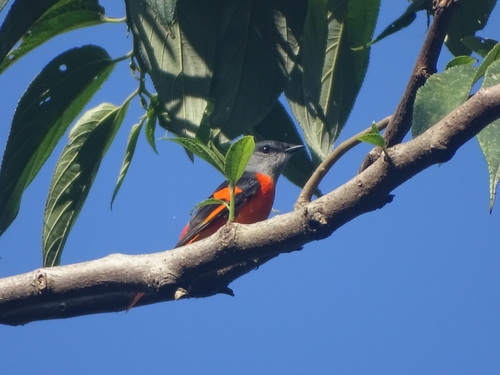
ベニサンショウクイ (Pericrocotus solaris) ベニサンショウクイ
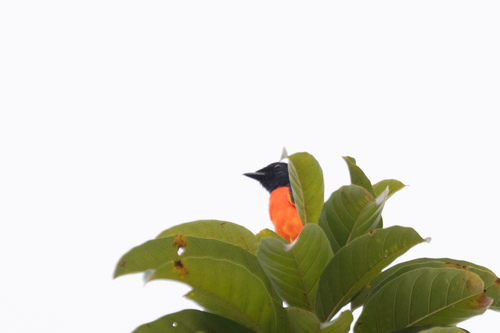
シュイロサンショウクイ (Pericrocotus speciosus) シュイロサンショウクイ

メディア

読み込み中…

要点

ベニサンショウクイとシュイロサンショウクイの最も信頼できるフィールドマークは、特に成鳥のオスにおける下部と翼の斑点の色と分布です。Grey-chinnedのオスはオレンジの下部とオレンジの先端を持つ大覆羽を示し、シュイロサンショウクイのオスは鮮やかなスカーレットの下部と翼の斑点を持っています。両種のメスは下部が黄色ですが、Grey-chinnedのメスは上部が灰色で下部が黄色であり、シュイロサンショウクイのメスも上部が灰色ですが、顔が黄色で、翼と尾により広範囲の黄色があります。ベニサンショウクイの幼鳥は背中に黄色オリーブの帯を示し、これはシュイロサンショウクイには見られません。構造とサイズも役立ちます:シュイロサンショウクイは明らかに大きく、翼が長いです。両種は森林の丘で重なり合うことがあるため、羽毛とサイズに注意を払うことが重要です。

識別のコツ

  1. Immature/juvenile upperparts: 幼鳥のベニサンショウクイの背中に黄色オリーブの帯を探してください—これはどの年齢のシュイロサンショウクイにも見られません。
  2. Adult male underparts: ベニサンショウクイのオスはオレンジの下部とオレンジの先端を持つ大覆羽を持ち、シュイロサンショウクイのオスは下部がスカーレットで、スカーレットの翼の斑点と尾の端を持っています。
  3. Adult female pattern: 両種のメスは上部が灰色で下部が黄色ですが、シュイロサンショウクイのメスは顔、尾の端、腰、翼の斑点に黄色があり、Grey-chinnedよりも広範囲で明るいことが多いです。
  4. Wing patch color: 飛行中、シュイロサンショウクイはより大きく、明るいスカーレット(または一部の亜種では黄色)の翼の斑点と尾の端を示し、Grey-chinnedのオレンジ/黄色は大覆羽の先端により制限されています。
  5. Chin color: ベニサンショウクイのオスは淡い灰色の顎を持ち、これは近距離での微妙ですが有用なマークです;シュイロサンショウクイのオスは黒い頭と顎を持っています。
  6. Head and mantle color: ベニサンショウクイのオスは暗い灰色の頭とマントルを持ち、シュイロサンショウクイのオスは上部が黒です。
  7. Bill structure: シュイロサンショウクイはより強く、頑丈な暗いくちばしを持ち、良い視界で目立つことがあります。
  8. Size and shape: シュイロサンショウクイは大きく、尾が長い;Grey-chinnedはよりコンパクトで軽いように見えます。
  9. Tail color: シュイロサンショウクイのオスはスカーレットの尾の端を持ち;メスは黄色の尾の端を持っています。ベニサンショウクイは尾におけるオレンジ/黄色が少ないです。
  10. Subspecies caution: 一部のシュイロサンショウクイの亜種(フィリピン)はスカーレットではなく黄色です—これらの地域では下部の色だけに頼らないでください;サイズと翼の斑点の広がりを使用してください。
  11. Habitat overlap: 両種は類似の森林の丘に生息することがあり、IDのために生息地だけを使用しないでください。
  12. Behavior: 両種は樹冠で活発ですが、シュイロサンショウクイはより目立つかもしれず、庭や低い標高で見られる可能性が高いです。
  13. Leg and eye color: 両方とも黒い脚と目を持っています—これは有用な区別ではありません。
  14. Vocalizations: 診断の違いは提供されていません;現在のメモに基づいて声を分離に使用しないでください。
  15. Flock composition: スカーレット/オレンジと黄色の鳥が一緒に見られる場合、混合性別または混合種の群れの可能性を考慮してくださいが、サイズと翼の斑点の違いを確認してください。

大きさ

シュイロサンショウクイは明らかに大きく、長さは20–22 cmで、ベニサンショウクイの17–19 cmと比較されます。ベニサンショウクイはまた軽量(体重約14g)です。シュイロサンショウクイは尾が長く、より頑丈で強い暗いくちばしを持ち、これは並べて見るか、経験によって明らかになります。フィールドでは、シュイロサンショウクイはしばしば長く、より大きく見え、特に飛行中や直立して止まっているときにそう見えます。

羽色

幼鳥のベニサンショウクイ(メスに似ている)は背中に黄色オリーブの帯を持ち、これはどの年齢のシュイロサンショウクイにも見られない重要なマークです。成鳥のオスのベニサンショウクイは暗い灰色の頭とマントル、淡い灰色の顎、オレンジ-黄色の喉、黒っぽい翼にオレンジの先端を持つ大覆羽、オレンジの下部を持っています。成鳥のオスのシュイロサンショウクイは上部と頭が黒で、スカーレットの下部、腰、尾の端、翼の斑点を持っています—スカーレットの正確な色合いと広がりは亜種によって異なる場合があり、一部のフィリピンの形態は代わりに黄色です。メスのベニサンショウクイは上部が灰色で下部が明るい黄色で、黄色がオスのオレンジの部分を置き換えています。メスのシュイロサンショウクイも上部が灰色ですが、下部、顔、尾の端、腰、翼の斑点に黄色があり、黄色はしばしばGrey-chinnedよりも広範囲で明るいです。両種は黒い目、くちばし、脚を持っています。飛行中、シュイロサンショウクイの翼の斑点と尾の端はより際立った色(スカーレットまたは黄色)を持ち、Grey-chinnedのオレンジ/黄色はより制限され、鮮やかさが少ないです。

行動

両種は活発で、敏捷な樹冠の餌を探す者であり、しばしば小さな群れで見られます。シュイロサンショウクイは時々より大きな群れを形成し、積極的に飛び捕まえたり、翼を打って昆虫を追い出したりするのが見られることが多いです。両種は中層から上層の樹冠で餌を探しますが、シュイロサンショウクイはそのサイズと明るい色合いのためにより目立つかもしれません。巣作りや社会的行動は広く似ており、フィールドで信頼できる診断にはなりません。

生息環境

両種は丘陵または山岳地域のよく木が生えた地域や森林に生息しています。ベニサンショウクイは通常1,000–2,000 mの標高で見られ、シュイロサンショウクイはより広範囲で一般的な森林の生息地、庭や低い丘を含む、北東インドから南部中国、インドネシア、フィリピンまでの範囲で見られます。一部の地域では重なりが可能であるため、生息地だけでは診断できません。

より良い説明を送る

比較と同じ項目を使ってください。文章はすぐに公開されます。

The most reliable field mark between Grey-chinned Minivet and Scarlet Minivet is the color and distribution of the underparts and wing patches, especially in adult males: Grey-chinned males show orange underparts and orange-tipped greater coverts, while Scarlet Minivet males display vivid scarlet underparts and wing patches. Females of both species are yellow below, but Grey-chinned females are grey above and yellow below, whereas Scarlet Minivet females are also grey above but with yellow face and more extensive yellow on the wings and tail. Immatures of Grey-chinned Minivet show yellow-olive bars on the back, a feature not present in Scarlet Minivet. Structure and size also help: Scarlet Minivet is noticeably larger and longer-winged. Both species can overlap in forested hills, so careful attention to plumage and size is essential.

  1. Immature/juvenile upperparts: Look for yellow-olive bars on the back in immature Grey-chinned Minivet—this is absent in Scarlet Minivet of any age.
  2. Adult male underparts: Grey-chinned Minivet males have orange underparts and orange-tipped greater coverts; Scarlet Minivet males are scarlet below and have scarlet wing patches and tail edges.
  3. Adult female pattern: Both females are grey above and yellow below, but Scarlet Minivet females have yellow on the face, tail edges, rump, and wing patches, often more extensive and brighter than in Grey-chinned.
  4. Wing patch color: In flight, Scarlet Minivet shows larger, brighter scarlet (or yellow in some subspecies) wing patches and tail edges; Grey-chinned's orange/yellow is more restricted to greater covert tips.
  5. Chin color: Grey-chinned Minivet males have a pale grey chin, which can be a subtle but useful mark at close range; Scarlet Minivet males have a black head and chin.
  6. Head and mantle color: Grey-chinned Minivet males have a dark grey head and mantle, while Scarlet Minivet males are black above.
  7. Bill structure: Scarlet Minivet has a stronger, more robust dark bill, which may be noticeable in good views.
  8. Size and shape: Scarlet Minivet is larger and longer-tailed; Grey-chinned appears more compact and lighter.
  9. Tail color: Scarlet Minivet males have scarlet tail edges; females have yellow tail edges. Grey-chinned Minivet has less extensive orange/yellow on the tail.
  10. Subspecies caution: Some Scarlet Minivet subspecies (Philippines) are yellow instead of scarlet—do not rely solely on underpart color in these regions; use size and wing patch extent.
  11. Habitat overlap: Both species can occur in similar forested hills; do not use habitat alone for ID.
  12. Behavior: Both species are active in the canopy, but Scarlet Minivet may be more conspicuous and is more likely to be seen in gardens and lower elevations.
  13. Leg and eye color: Both have black legs and eyes—this is not a useful separator.
  14. Vocalizations: No diagnostic differences provided; do not use voice for separation based on current notes.
  15. Flock composition: If you see both scarlet/orange and yellow birds together, consider the possibility of mixed-sex or mixed-species flocks, but check for size and wing patch differences.

Scarlet Minivet is distinctly larger, measuring 20–22 cm in length, compared to the Grey-chinned Minivet's 17–19 cm. The Grey-chinned Minivet is also lighter (body mass ~14g). Scarlet Minivet has a longer tail and more robust, strong dark beak, which can be apparent in side-by-side views or with experience. In the field, Scarlet Minivet often appears longer and bulkier, especially in flight or when perched upright.

Immature Grey-chinned Minivets (similar to females) have yellow-olive bars on the back, a key mark not seen in Scarlet Minivet of any age. Adult male Grey-chinned Minivet has a dark grey head and mantle, pale grey chin, orange-yellow throat, blackish wings with orange tips to the greater coverts, and orange underparts. Adult male Scarlet Minivet is black above and on the head, with scarlet underparts, rump, tail edges, and wing patches—note that the exact shade and extent of scarlet can vary by subspecies, and some Philippine forms are yellow instead. Female Grey-chinned Minivet is grey above and bright yellow below, with yellow replacing the male's orange areas. Female Scarlet Minivet is also grey above but has yellow underparts, face, tail edges, rump, and wing patches, with the yellow often more extensive and brighter than in Grey-chinned. Both species have black eyes, beak, and legs. In flight, Scarlet Minivet's wing patches and tail edges are more strikingly colored (scarlet or yellow), while Grey-chinned's orange/yellow is more restricted and less vivid.

Both species are active, agile canopy feeders, often seen in small flocks. Scarlet Minivet sometimes forms larger flocks and is more likely to be seen flycatching actively or flushing insects by beating its wings. Both species forage in the mid to upper canopy, but Scarlet Minivet may be more conspicuous due to its size and brighter coloration. Nesting and social behaviors are broadly similar and not reliably diagnostic in the field.

Both species inhabit well-wooded areas and forests in hilly or montane regions. Grey-chinned Minivet is typically found at elevations of 1,000–2,000 m, while Scarlet Minivet is more widespread and common in a range of forested habitats, including gardens and lower hills, from Northeast India to southern China, Indonesia, and the Philippines. Overlap is possible in some regions, so habitat alone is not diagnostic.

変更を破棄しますか?

保存していない編集があります。今離れると失われます。

ベニサンショウクイ · シュイロサンショウクイ · 苦手な鳥