

Motmot

オナガヤシアマツバメ 対 ハグロキヌバネドリ

Tachornis squamata 対 Trogon viridis

オナガヤシアマツバメとハグロキヌバネドリのクイズ
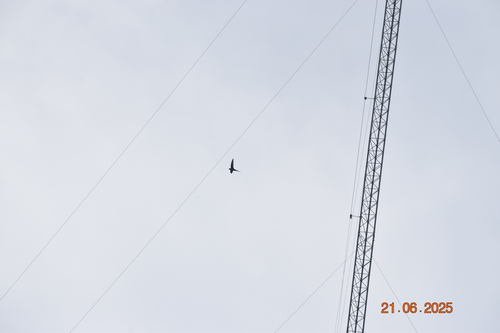
オナガヤシアマツバメ (Tachornis squamata) オナガヤシアマツバメ
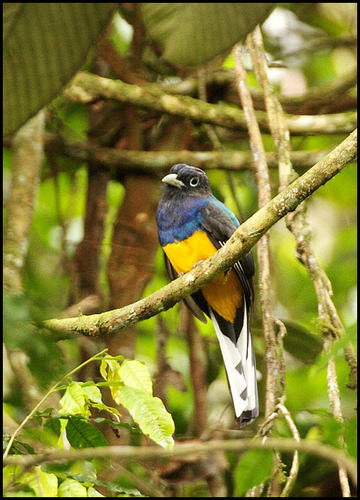
ハグロキヌバネドリ (Trogon viridis) ハグロキヌバネドリ

メディア

読み込み中…

要点

最も信頼できるフィールドマークは構造的なものです:オナガヤシアマツバメは小さく、細長い、速く飛ぶ鳥で、長く狭い翼と深く分かれた尾を持っています。一方、ハグロキヌバネドリははるかに大きく、ずんぐりした体形で、短く四角い尾と広い翼を持っています。飛行中、アマツバメは非常に空中であり、決して開けた場所に止まることはありませんが、キヌバネドリは通常、直立して動かずに止まっているのが見られます。羽毛も非常に異なります:アマツバメは主に暗く、淡い斑点のある腹部と淡い喉を持ち、キヌバネドリは大胆な色(オス)または灰色(メス)で、特徴的な黒と白の模様のある尾羽を持っています。もし開けた場所、特に枝の上に止まっている鳥を見たら、それはほぼ確実にキヌバネドリです;アマツバメは止まっているのが見られることは稀で、常に迅速に飛んでいます。

識別のコツ

  1. サイズ:ハグロキヌバネドリはオナガヤシアマツバメよりもはるかに大きく、ずんぐりしています。もし鳥がスズメサイズまたはそれ以下に見えるなら、それはキヌバネドリではありません。
  2. 飛行中の構造:アマツバメは長く狭い鎌形の翼と深く分かれた尾を持ち、キヌバネドリは広く丸みを帯びた翼と短く四角いまたはわずかに丸い尾を持っています。
  3. 尾の形:アマツバメの尾は深く分かれており、飛行中は常に明らかです;キヌバネドリの尾は四角く、決して分かれていません。
  4. 止まり方:アマツバメは開けた場所に止まっているのがほとんど見られません;キヌバネドリはほぼ常に枝の上に直立して止まっているのが見られ、長時間動かずにいることが多いです。
  5. 飛行スタイル:アマツバメは速く、敏捷で、常に動いています;キヌバネドリは短く直接的なバーストで飛び、遠くに飛ぶことをためらいます。
  6. 羽毛 - 上面:アマツバメは黒褐色で緑がかった光沢と淡い羽の縁を持ち、キヌバネドリのオスは緑色の背中と暗い青(ほぼ黒)の頭、メスは上面が灰色です。
  7. 羽毛 - 腹面:アマツバメは淡い、軽く斑点のある腹部と淡い喉を持ち、キヌバネドリのオスは明るいオレンジ黄色の腹部、メスは下が灰色です。
  8. 尾羽の模様:アマツバメの尾羽は暗く淡い縁があります;キヌバネドリのオスは大胆な黒と白の尾羽(広い黒い基部、広い白い先端と各羽の縁)を持ち、メスは主に各尾羽の外側の羽に黒と白の縞模様があります。
  9. 幼鳥のマーク:若いアマツバメは頭に淡い色合いと淡い羽の縁がありますが、その他は成鳥に似ています;幼いキヌバネドリは記述されていませんが、年齢や性別でアマツバメに似ているものはありません。
  10. くちばしの形:アマツバメは空中での採餌に適応した小さく短い広いくちばしを持ち、キヌバネドリは果物や昆虫に適した広くフック状のくちばしを持っています。
  11. アイリング:キヌバネドリは目立つ淡い青みがかったアイリングを持っています;アマツバメは持っていません。
  12. 性差:キヌバネドリは性差があり(オスは緑と青、メスは灰色)、アマツバメには性差がありません。
  13. 生息地:アマツバメは都市部を含むヤシのある開けた場所に生息し、キヌバネドリは森林の鳥です。
  14. 鳴き声:キヌバネドリは一連の加速する「牛」の音を出します;アマツバメは高く細い飛行音を出します(この種については記述されていませんが、アマツバメに典型的です)。
  15. 文脈:もしヤシの上を高く速く採餌している鳥を見たら、それはアマツバメです;もし森林の枝に静かに止まっている鳥を見たら、それはキヌバネドリです。

大きさ

オナガヤシアマツバメははるかに小さく、約13 cm(5.1インチ)の長さで、重さは9–13.6 gです [wikipedia]。ハグロキヌバネドリは28–30 cm(11–12インチ)と2倍以上の長さで、はるかにずんぐりしています [wikipedia]。サイズと質量の違いは劇的で、遠くからでも明らかです。

羽色

幼鳥と成鳥のオナガヤシアマツバメは似ていますが、主な違いは幼鳥の頭に淡い色合いと淡い羽の縁があることです。両方の年齢は全体的に黒褐色で、緑がかった光沢があり、淡い褐色の白い喉に暗い斑点があり、淡く軽く斑点のある腹部を持っています。尾は深く分かれており、暗いです。それに対して、ハグロキヌバネドリは強い性差があります:成鳥のオスは緑の背中、暗い青(ほぼ黒)の頭と上胸、明るいオレンジ黄色の腹、そして目を引く黒と白の尾羽(広い黒い基部、広い白い先端と各羽の縁)を持っています。メスは上面と下面が灰色で、尾羽の外側の羽に主に黒と白の縞模様があります。キヌバネドリの年齢や性別は、全体的な色や模様でアマツバメに似ているものはありません。アマツバメの羽毛ははるかに地味で、明るい色や大胆な縞模様はありません。キヌバネドリの尾羽の模様は、特にオスでよく見られると診断的です。

行動

オナガヤシアマツバメはほぼ常に迅速で敏捷な飛行をしており、しばしばヤシの上または周囲で高く飛んでおり、開けた場所に止まることはほとんどありません。昆虫を空中で採餌し、時々小さな群れで行動します。ハグロキヌバネドリは通常、湿った森林の中層または樹冠の枝に直立して動かずに止まっているのが見られます。その飛行は速いですが、遠くに飛ぶことをためらい、混成種の群れに加わることは稀です。2つの種の行動は非常に異なるため、鳥の行動を数秒以上見ると混乱することはほとんどありません。

生息環境

オナガヤシアマツバメは、サバンナ、ヤシの湿地、河川森林、都市部、特にモウリティアヤシの周囲など、ヤシのある開けた場所に生息しています。これは低地の種です。ハグロキヌバネドリは湿った熱帯森林の住民で、特にアマゾンとギアナシールドに生息し、その範囲で最も一般的なキヌバネドリです。両方の種は同じ広い地域に生息することがありますが、アマツバメはヤシのある開けた場所を好み、キヌバネドリは森林の生息地に結びついています。

声

ハグロキヌバネドリは約20の「牛」の音からなる特徴的な歌を持ち、遅く始まり加速し、クビワオグロキヌバネドリよりも高音で、オジロハグロキヌバネドリよりも遅いです [wikipedia]。オナガヤシアマツバメの声は資料には記述されていませんが、アマツバメは一般的に飛行中に高く細い呼び声を出し、キヌバネドリの歌とは非常に異なります。もし加速する「牛」の音の一連を聞いたら、それはキヌバネドリを聞いていることになります。

より良い説明を送る

比較と同じ項目を使ってください。文章はすぐに公開されます。

The most reliable field mark is structural: Fork-tailed Palm Swift is a tiny, slender, fast-flying bird with long, narrow wings and a deeply forked tail, while Green-backed Trogon is a much larger, thickset bird with a short, squared tail and broad wings. In flight, the swift is highly aerial and never perches in the open, while trogons are typically seen perched upright and motionless. Plumage is also very different: the swift is mostly dark with pale mottled underparts and a pale throat, while the trogon is boldly colored (males) or gray (females), with a distinctive black-and-white patterned undertail. If you see a bird perched in the open, especially on a branch, it is almost certainly a trogon; swifts are rarely seen perched and are always in rapid flight.

  1. Size: Green-backed Trogon is much larger and bulkier than Fork-tailed Palm Swift. If the bird looks sparrow-sized or smaller, it is not a trogon.
  2. Structure in flight: Swifts have long, narrow, sickle-shaped wings and a deeply forked tail; trogons have broad, rounded wings and a short, squared or slightly rounded tail.
  3. Tail shape: The swift’s tail is deeply forked and always obvious in flight; the trogon’s tail is squared off and never forked.
  4. Perching behavior: Swifts are almost never seen perched in the open; trogons are almost always seen perched upright on branches, often motionless for long periods.
  5. Flight style: Swifts are fast, agile, and constantly in motion; trogons fly in short, direct bursts and are reluctant to fly far.
  6. Plumage – upperparts: Swifts are blackish brown with a greenish gloss and pale feather edges; trogon males are green-backed with a dark blue (almost black) head, females are gray above.
  7. Plumage – underparts: Swifts have pale, lightly mottled underparts with a pale throat; trogon males have a bright orange-yellow belly, females are gray below.
  8. Undertail pattern: The swift’s undertail is dark with pale edges; trogon males have a bold black-and-white undertail (broad black base, broad white tip and edge to each feather), females have black-and-white barring mainly on the outer webs of each tail feather.
  9. Juvenile marks: Young swifts have a buff tinge to the head and buffy feather edges, but otherwise resemble adults; juvenile trogons are not described, but no age or sex resembles a swift.
  10. Bill shape: Swifts have tiny, short, wide bills adapted for aerial feeding; trogons have broad, hooked bills suited for fruit and insects.
  11. Eye-ring: Trogons have a conspicuous pale bluish eye-ring; swifts do not.
  12. Sexual dimorphism: Trogons are sexually dimorphic (males green and blue, females gray); swifts show no sexual dimorphism.
  13. Habitat: Swifts are tied to open areas with palms, including urban areas; trogons are forest birds.
  14. Vocalization: Trogons give a series of accelerating 'cow' notes; swifts give high, thin flight calls (not described for this species but typical of swifts).
  15. Context: If you see a bird foraging high and fast over palms, it is a swift; if you see a bird sitting still on a branch in forest, it is a trogon.

Fork-tailed Palm Swift is much smaller: about 13 cm (5.1 in) long and weighing 9–13.6 g [wikipedia]. Green-backed Trogon is more than twice as long at 28–30 cm (11–12 in), and is much bulkier [wikipedia]. The difference in size and mass is dramatic and obvious even at a distance.

Juvenile and adult Fork-tailed Palm Swifts are similar, with the main difference being a buff tinge to the head and buffy feather edges in juveniles. Both ages are overall blackish brown above with a greenish gloss, a pale brownish-white throat with dusky mottling, and pale, lightly mottled underparts. The tail is deeply forked and dark. By contrast, Green-backed Trogon is strongly sexually dimorphic: adult males have a green back, dark blue (almost black) head and upper breast, bright orange-yellow belly, and a striking black-and-white undertail (broad black base, broad white tip and edge to each feather). Females are gray above and below with black-and-white barring mainly on the outer webs of the tail feathers. No age or sex of trogon resembles the swift in overall color or pattern. The swift’s plumage is much plainer, with no bright colors or bold barring. The trogon’s undertail pattern is diagnostic when seen well, especially in males.

Fork-tailed Palm Swift is almost always seen in rapid, agile flight, often high above or around palms, rarely if ever perching in the open. It forages aerially for insects, sometimes in small flocks. Green-backed Trogon is typically seen perched upright and motionless on a branch, often in the midstory or canopy of humid forest. Its flight is fast but it is reluctant to fly far, and it rarely joins mixed-species flocks. The two species’ behaviors are so different that confusion is unlikely if you see the bird’s behavior for more than a few seconds.

Fork-tailed Palm Swift is found in open areas with palms, including savannas, palm swamps, riparian forest, urban areas, and especially around Mauritia palms. It is a lowland species. Green-backed Trogon is a resident of humid tropical forests, especially in the Amazon and Guiana Shield, and is typically the commonest trogon in its range. While both can occur in the same broad region, the swift prefers open areas with palms and the trogon is tied to forested habitats.

Green-backed Trogon has a distinctive song of about 20 'cow' notes, starting slow and accelerating, higher pitched than Black-tailed Trogon and slower than White-tailed Trogon [wikipedia]. Fork-tailed Palm Swift’s voice is not described in the sources, but swifts generally give high, thin calls in flight, very different from the trogon’s song. If you hear a series of accelerating 'cow' notes, you are hearing the trogon.

変更を破棄しますか?

保存していない編集があります。今離れると失われます。

オナガヤシアマツバメ · ハグロキヌバネドリ · 苦手な鳥