

Fork-tailed Palm Swift vs Green-backed Trogon
Tachornis squamata contro Trogon viridis
Fai un quiz con Fork-tailed Palm Swift e Green-backed Trogon
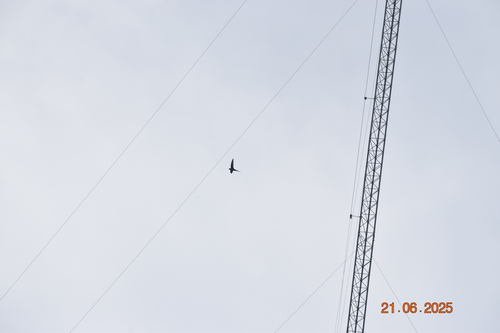 Fork-tailed Palm Swift
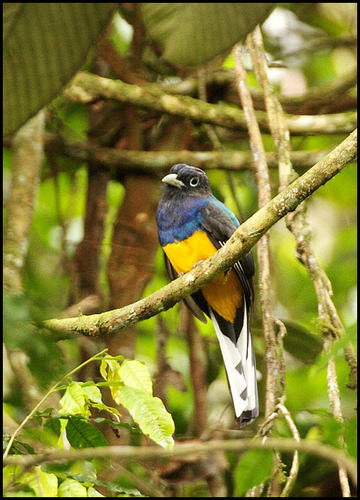 Green-backed Trogon
In breve
Il segno di campo più affidabile è strutturale: Fork-tailed Palm Swift è un uccello minuscolo, snello e veloce con ali lunghe e strette e una coda profondamente biforcuta, mentre Green-backed Trogon è un uccello molto più grande e robusto con una coda corta e quadrata e ali larghe. In volo, il swift è altamente aereo e non si posa mai in aperto, mentre i trogoni sono tipicamente visti posati eretti e immobili. Anche il piumaggio è molto diverso: il swift è per lo più scuro con parti inferiori chiare macchiate e una gola chiara, mentre il trogon è colorato in modo audace (maschi) o grigio (femmine), con una distintiva coda sottostante a motivo bianco e nero. Se vedi un uccello posato in aperto, specialmente su un ramo, è quasi certamente un trogon; i swift sono raramente visti posati e sono sempre in volo rapido.
Consigli di identificazione
- Dimensione: Green-backed Trogon è molto più grande e robusto di Fork-tailed Palm Swift. Se l'uccello sembra delle dimensioni di un passero o più piccolo, non è un trogon.
- Struttura in volo: I swift hanno ali lunghe, strette e a forma di falce e una coda profondamente biforcuta; i trogoni hanno ali larghe e arrotondate e una coda corta, quadrata o leggermente arrotondata.
- Forma della coda: La coda del swift è profondamente biforcuta e sempre evidente in volo; la coda del trogon è quadrata e mai biforcuta.
- Comportamento di posarsi: I swift sono quasi mai visti posati in aperto; i trogoni sono quasi sempre visti posati eretti sui rami, spesso immobili per lunghi periodi.
- Stile di volo: I swift sono veloci, agili e costantemente in movimento; i trogoni volano in brevi scatti diretti e sono riluttanti a volare lontano.
- Piumaggio – parti superiori: I swift sono marrone scuro con una lucentezza verdastra e bordi delle piume chiari; i maschi del trogon hanno il dorso verde con una testa blu scura (quasi nera), le femmine sono grigie sopra.
- Piumaggio – parti inferiori: I swift hanno parti inferiori chiare, leggermente macchiate con una gola chiara; i maschi del trogon hanno una pancia giallo-arancio brillante, le femmine sono grigie sotto.
- Motivo della coda sottostante: La coda sottostante del swift è scura con bordi chiari; i maschi del trogon hanno una coda sottostante audace bianco e nera (base nera larga, punta bianca larga e bordo di ogni piuma), le femmine hanno bande bianche e nere principalmente sulle web esterne di ciascuna piuma della coda.
- Segni giovanili: I giovani swift hanno una sfumatura color crema sulla testa e bordi delle piume color crema, ma altrimenti somigliano agli adulti; i trogoni giovanili non sono descritti, ma nessuna età o sesso somiglia a un swift.
- Forma del becco: I swift hanno becchi piccoli, corti e larghi adattati per l'alimentazione aerea; i trogoni hanno becchi larghi e ricurvi adatti per frutta e insetti.
- Anello oculare: I trogoni hanno un anello oculare bluastro chiaro molto evidente; i swift non lo hanno.
- Dimorfismo sessuale: I trogoni sono sessualmente dimorfici (maschi verdi e blu, femmine grigie); i swift non mostrano dimorfismo sessuale.
- Habitat: I swift sono legati a aree aperte con palme, comprese le aree urbane; i trogoni sono uccelli di foresta.
- Vocalizzazione: I trogoni emettono una serie di note 'mucca' che accelerano; i swift emettono richiami di volo alti e sottili (non descritti per questa specie ma tipici dei swift).
- Contesto: Se vedi un uccello cercare cibo in alto e veloce sopra le palme, è un swift; se vedi un uccello seduto immobile su un ramo nella foresta, è un trogon.
Taglia
Fork-tailed Palm Swift è molto più piccolo: circa 13 cm (5,1 in) di lunghezza e pesa 9–13,6 g [wikipedia]. Green-backed Trogon è più di due volte più lungo a 28–30 cm (11–12 in) ed è molto più robusto [wikipedia]. La differenza di dimensione e massa è drammatica e ovvia anche a distanza.
Piumaggio
I giovani e gli adulti di Fork-tailed Palm Swift sono simili, con la principale differenza che i giovani hanno una sfumatura color crema sulla testa e bordi delle piume color crema. Entrage le età sono complessivamente marrone scuro sopra con una lucentezza verdastra, una gola marrone chiaro con macchie scure e parti inferiori chiare, leggermente macchiate. La coda è profondamente biforcuta e scura. Al contrario, Green-backed Trogon è fortemente sessualmente dimorfico: i maschi adulti hanno un dorso verde, una testa blu scura (quasi nera) e un petto superiore, una pancia giallo-arancio brillante e una coda sottostante bianco e nera molto evidente (base nera larga, punta bianca larga e bordo di ogni piuma). Le femmine sono grigie sopra e sotto con bande bianche e nere principalmente sulle web esterne delle piume della coda. Nessuna età o sesso di trogon somiglia al swift in colore o motivo complessivo. Il piumaggio del swift è molto più semplice, senza colori brillanti o bande audaci. Il motivo della coda sottostante del trogon è diagnostico quando visto bene, specialmente nei maschi.
Comportamento
Fork-tailed Palm Swift è quasi sempre visto in volo rapido e agile, spesso in alto sopra o intorno alle palme, raramente se mai posato in aperto. Cerca cibo aereo per insetti, a volte in piccoli gruppi. Green-backed Trogon è tipicamente visto posato eretto e immobile su un ramo, spesso nella parte centrale o nella chioma di una foresta umida. Il suo volo è veloce ma è riluttante a volare lontano, e raramente si unisce a gruppi misti di specie. I comportamenti delle due specie sono così diversi che la confusione è improbabile se osservi il comportamento dell'uccello per più di pochi secondi.
Habitat
Fork-tailed Palm Swift si trova in aree aperte con palme, comprese savane, paludi di palme, foreste ripariali, aree urbane e soprattutto intorno alle palme Mauritia. È una specie di pianura. Green-backed Trogon è residente di foreste tropicali umide, specialmente nell'Amazzonia e nel Scudo della Guiana, ed è tipicamente il trogon più comune nel suo areale. Anche se entrambe le specie possono verificarsi nella stessa vasta regione, il swift preferisce aree aperte con palme e il trogon è legato a habitat forestali.
Voce
Green-backed Trogon ha un canto distintivo di circa 20 note 'mucca', che inizia lentamente e accelera, con un tono più alto rispetto a Black-tailed Trogon e più lento rispetto a White-tailed Trogon [wikipedia]. La voce di Fork-tailed Palm Swift non è descritta nelle fonti, ma i swift generalmente emettono richiami alti e sottili in volo, molto diversi dalla canzone del trogon. Se senti una serie di note 'mucca' che accelerano, stai ascoltando il trogon.
Fork-tailed Palm Swift · Green-backed Trogon · I miei uccelli difficili