

Motmot

アオボウシモリハチドリ 対 オジロエメラルドハチドリ

Thalurania colombica 対 Microchera chionura

アオボウシモリハチドリとオジロエメラルドハチドリのクイズ
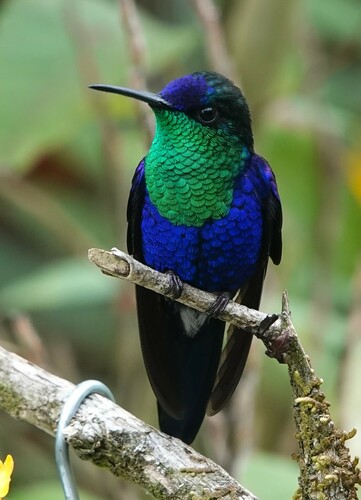
アオボウシモリハチドリ (Thalurania colombica) アオボウシモリハチドリ
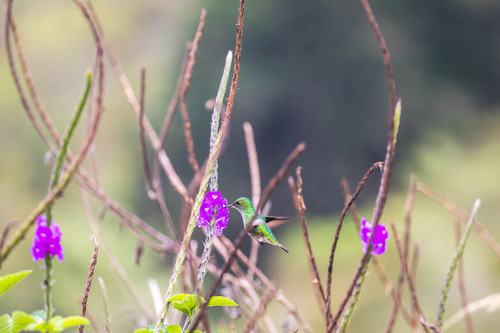
オジロエメラルドハチドリ (Microchera chionura) オジロエメラルドハチドリ

メディア

読み込み中…

要点

アオボウシモリハチドリとオジロエメラルドハチドリを区別する最も信頼できるフィールドマークは尾のパターンです:すべての年齢と性別のオジロエメラルドハチドリは、黒い先端を持つ明らかな白い外尾羽を示しますが、アオボウシモリハチドリは青黒い尾(オス)または外羽の先端に小さな白い点のみを持つ青黒い尾(メス)を持っています。未成熟の鳥は尾と腹部の色で最もよく区別されます:オジロエメラルドハチドリの未成熟個体は白または鈍い白の腹部を持ち、アオボウシモリハチドリの未成熟個体は下側が灰色(メス)または限られた虹色を持つ暗い色(オス)です。成鳥のオスのアオボウシモリハチドリは大きく、明確に紫色またはきらきらした緑の冠と、より深く分かれた尾を持っています。構造とくちばしの形は似ていますが、Emeraldは明らかに小さく、尾が短いです。生息地と標高が役立つことがあります:オジロエメラルドハチドリは高地の専門家ですが、アオボウシモリハチドリはより広範囲に分布し、低い標高で見られます。

識別のコツ

  1. 尾のパターンは最も信頼できるフィールドマークです: オジロエメラルドハチドリ(すべての年齢、両性)は、白い先端またはバンドを持つ3対の外尾羽を示し、飛行中または扇状に広げたときに非常に明らかです。アオボウシモリハチドリのオスは均一な青黒い尾を持ち、メスは外側の3対の羽の先端に小さな白い点のみを持っています。
  2. 未成熟個体の腹部の色: 未成熟のオジロエメラルドハチドリは白または鈍い白の腹部を持ち(オスは灰色がかったバフの縁取り、メスはより灰色)、未成熟のアオボウシモリハチドリは下側が灰色(メス)または暗い色(オス)で、決して真っ白ではありません。
  3. 成鳥のオスの冠と上面: アオボウシモリハチドリのオスは紫色またはきらきらした緑の冠と上背を持ち(亜種による)、これはオジロエメラルドハチドリには見られない特徴です。
  4. 成鳥のオスの腹部: アオボウシモリハチドリのオスは紫色の腹部ときらきらした緑の喉/胸を持ち、オジロエメラルドハチドリのオスは緑の喉/胸と対照的な白い腹部と肛門を持ちます。
  5. 成鳥のメスの腹部: アオボウシモリハチドリのメスは下側が淡いから暗い灰色で、決して白くはなく、オジロエメラルドハチドリのメスは鈍い白の下側に青銅色の緑の側面を持ちます。
  6. 尾の形: アオボウシモリハチドリのオスは深く分かれた尾を持ち、オジロエメラルドハチドリの尾はあまり深く分かれておらず、短くてコンパクトに見えます。
  7. サイズ: アオボウシモリハチドリはオジロエメラルドハチドリよりも明らかに大きく重いですが、これは経験や並べて比較することで最も明らかになります。
  8. くちばし: 両者とも直線的な黒いくちばしを持っていますが、Emeraldの下顎の基部はピンクがかっています(フィールドでは見えにくい場合があります)。
  9. 生息地と標高: オジロエメラルドハチドリは高地の森林に限定されています(750–2,000 m、主にコスタリカでは1,000–1,700 m);アオボウシモリハチドリは低い標高でより広範囲に見られます。
  10. 声: 聞こえた場合、オジロエメラルドハチドリのざらざらしたツイッター音とブンブンという歌は特徴的です;この歌がない場合、Woodnymphを確認することはできません。
  11. 亜種の変異: 一部のアオボウシモリハチドリの亜種は緑(紫ではない)冠を持っていますが、すべてがEmeraldの白い尾のパターンを欠いています。
  12. メスの尾のパターン: 両者とも外尾羽にいくらかの白を示しますが、Emeraldでは白が広く明らかで、黒いバンドまたは先端があります;Woodnymphのメスでは、白は小さな先端に限られています。
  13. 行動: 両種は活発で、さまざまな高さで餌を食べますが、Emeraldのオスはレクスや樹冠で見られることが多いです。
  14. 分布: Talamancan高地の外では、オジロエメラルドハチドリは発生しません;他の場所で似たようなハチドリが見られた場合、それはほぼ確実にアオボウシモリハチドリです。
  15. 未成熟の混乱: 白い外尾羽を持つ鈍い小さなハチドリに疑問がある場合、オジロエメラルドハチドリをデフォルトとして考えます;尾が暗くて小さな白い先端のみ(メス)の場合は、特に腹部が灰色がかっている場合はWoodnymphを考慮します。

大きさ

アオボウシモリハチドリは明らかに大きいです:成鳥のオスは9.5–11.5 cmの長さで、重さは4–5.5 g、メスは8.5–9.2 cmで3.5–4.2 gです [wikipedia]。オジロエメラルドハチドリは小さくて軽いです:両性ともに長さはわずか7.5–8 cmで、オスは約3.3 g、メスは3.1 gです [wikipedia]。このサイズの違いは、直接比較や経験で明らかですが、フィールドでは両種が一緒でない限り微妙な場合があります。Woodnymphはまた、特にオスにおいて、より長く、より深く分かれた尾を持っています。

羽色

行動

両種は活発で、速く動くハチドリです。オジロエメラルドハチドリのオスは小さなグループでレクスでディスプレイを行い、樹冠で見られることがありますが、メスは下層に留まる傾向があります。アオボウシモリハチドリも敏捷で、さまざまな高さで餌を食べます。飛行中、EmeraldはWoodnymphよりもさらに小さく、コンパクトに見えることがありますが、両者は似たような餌の取り方や止まり方を持っています。フィールドで診断的な大きな行動の違いはありません。

生息環境

生息地と標高は役立つ文脈の手がかりです。オジロエメラルドハチドリは高地の種で、主に750–2,000 m(特にコスタリカでは1,000–1,700 m)で、湿ったから湿気のある山地の森林、森林の縁、庭に見られます [wikipedia]。アオボウシモリハチドリはより広範囲に分布し、ベリーズやグアテマラから北ペルーまで見られ、低い標高や山のふもとでも発生します。低地の森林やTalamancan高地の外で見られた場合、ほぼ確実にオジロエメラルドハチドリではありません。高地では、両者が重なることがあるため、羽毛と尾のパターンが重要です。

声

オジロエメラルドハチドリは特徴的な歌を持っています:長く、細いざらざらしたツイッター音、ブンブンまたはゴロゴロという音が混ざり、餌を探すときに柔らかいざらざらしたチッピング音を出し、追いかけるときに高音のブンブン音を出します [wikipedia]。アオボウシモリハチドリに関する音声情報はソースに提供されていないため、Emeraldの独特なツイッター音が聞こえない限り、声は信頼できる区別ではありません。

より良い説明を送る

比較と同じ項目を使ってください。文章はすぐに公開されます。

The most reliable field mark to separate Crowned Woodnymph and White-tailed Emerald is the tail pattern: White-tailed Emerald of all ages and sexes shows obvious white outer tail feathers with black tips, while Crowned Woodnymph has a blue-black tail (males) or blue-black with only small white tips on outer feathers (females). Immature birds are best separated by tail and underpart color: White-tailed Emerald immatures have white or dull white bellies, while Crowned Woodnymph immatures are grayish below (females) or dusky with limited iridescence (males). Adult male Crowned Woodnymphs are larger, with a distinctly violet or glittering green crown and a much more deeply forked tail. Structure and bill shape are similar, but the Emerald is noticeably smaller and shorter-tailed. Habitat and elevation can help: White-tailed Emerald is a highland specialist, while Crowned Woodnymph is more widespread and found at lower elevations.

  1. Tail pattern is the single most reliable field mark: White-tailed Emerald (all ages, both sexes) shows three outer pairs of tail feathers that are white with black tips or bands, very obvious in flight or when fanned. Crowned Woodnymph males have a uniformly blue-black tail; females have blue-black tails with only small white tips on the outer three pairs.
  2. Underpart color in immatures: Immature White-tailed Emeralds have white or dull white bellies (with grayish buff fringes in males, grayer in females), while immature Crowned Woodnymphs are grayish (females) or dusky (males) below, never truly white.
  3. Adult male crown and upperparts: Crowned Woodnymph males have a violet or glittering green crown and upper back (depending on subspecies), a feature never shown by White-tailed Emerald, which is bronzy green above.
  4. Adult male underparts: Crowned Woodnymph males have a violet belly and glittering green throat/chest; White-tailed Emerald males have a white belly and vent contrasting with a green throat/chest.
  5. Adult female underparts: Crowned Woodnymph females are pale to darker gray below, never white; White-tailed Emerald females are dull white below with bronzy green flanks.
  6. Tail shape: Crowned Woodnymph males have a deeply forked tail; White-tailed Emerald's tail is less deeply forked and appears shorter and more compact.
  7. Size: Crowned Woodnymph is noticeably larger and heavier than White-tailed Emerald, but this is most apparent with experience or side-by-side comparison.
  8. Bill: Both have straight black bills, but the Emerald's mandible base is pinkish (may be hard to see in the field).
  9. Habitat and elevation: White-tailed Emerald is restricted to highland forest (750–2,000 m, mostly 1,000–1,700 m in Costa Rica); Crowned Woodnymph is found at lower elevations and over a much broader range.
  10. Voice: If heard, White-tailed Emerald's scratchy twittering and buzzing song is distinctive; absence of this song does not confirm Woodnymph.
  11. Subspecies variation: Some Crowned Woodnymph subspecies have a green (not violet) crown, but all lack the Emerald's white tail pattern.
  12. Female tail pattern: Both show some white in the outer tail feathers, but in the Emerald the white is broad and obvious, with a black band or tip; in Woodnymph females, the white is limited to small tips.
  13. Behavior: Both species are active and feed at various heights, but Emerald males may be seen at leks or in the canopy more often.
  14. Distribution: Outside the Talamancan highlands, White-tailed Emerald does not occur; any similar hummingbird elsewhere is likely a Crowned Woodnymph.
  15. Immature confusion: When in doubt with a dull, small hummingbird with white outer tail feathers, default to White-tailed Emerald; if the tail is dark with only tiny white tips (females), consider Woodnymph, especially if underparts are grayish.

Crowned Woodnymph is distinctly larger: adult males are 9.5–11.5 cm long and weigh 4–5.5 g, females 8.5–9.2 cm and 3.5–4.2 g [wikipedia]. White-tailed Emerald is smaller and lighter: both sexes are only 7.5–8 cm long, with males about 3.3 g and females 3.1 g [wikipedia]. This size difference is noticeable in direct comparison or with experience, but can be subtle in the field unless both species are together. The Woodnymph also has a longer, more deeply forked tail, especially in males.

  • Immatures:
  • Crowned Woodnymph immature males are dusky on crown, throat, and underparts, with very limited iridescent purple; immature females are dull green above and entirely pale gray below. Their tails lack obvious white except for small tips on females.
  • White-tailed Emerald immature males resemble adults but have duller underparts with grayish buff feather fringes; immature females have grayer underparts than adults. All immatures show the distinctive white outer tail feathers with black tips or bands, a key separation from Woodnymph at any age.
  • Adult males:
  • Crowned Woodnymph males (nominate) have a violet forehead, crown, upper back, and belly, with a glittering green throat and chest, dark bronzy green nape, and a deeply forked blue-black tail. Subspecies vary in crown color (some green, some violet), but all lack white in the tail.
  • White-tailed Emerald males are bronzy green above, with a glittering green throat and chest, but a white belly, vent, and undertail coverts. Their tail is copper-bronze centrally, with three outer pairs white with black tips—a striking field mark.
  • Adult females:
  • Crowned Woodnymph females are bright green above, pale gray throat and chest, darker gray belly, and a blue-black tail with white tips on the outer three pairs of feathers. The underparts are always grayish, never pure white.
  • White-tailed Emerald females are bronzy green above, dull white below with bronzy green flanks, and the tail is bronzy centrally with three outer pairs white with a black band near the tip. The white in the tail is much more extensive and obvious than in Woodnymph females.
  • Tail pattern is diagnostic at all ages: White-tailed Emerald always shows prominent white in the outer tail feathers, while Crowned Woodnymph never shows more than small white tips (females only).

Both species are active, fast-moving hummingbirds. White-tailed Emerald males often display at leks in small groups and may be seen in the canopy, while females tend to remain in the understory. Crowned Woodnymph is also agile and feeds at various heights. In flight, the Emerald may appear even smaller and more compact than the Woodnymph, but both have similar feeding and perching behaviors. No major behavioral differences are diagnostic in the field.

Habitat and elevation are helpful context clues. White-tailed Emerald is a highland species, found mostly between 750–2,000 m (especially 1,000–1,700 m in Costa Rica), in moist to humid montane forest, forest edges, and gardens [wikipedia]. Crowned Woodnymph is more widespread, found from Belize and Guatemala to northern Peru, and occurs at lower elevations as well as foothills. If seen in lowland forest or outside the Talamancan highlands, it is almost certainly not White-tailed Emerald. In the highlands, both may overlap, so plumage and tail pattern remain essential.

White-tailed Emerald has a distinctive song: a prolonged, thin scratchy twittering, mixed with buzzing or gurgling notes, and gives soft scratchy chipping notes when foraging and high-pitched buzzy notes when chasing [wikipedia]. No vocal information is provided for Crowned Woodnymph in the sources, so voice is not a reliable separation unless the Emerald's unique twittering is heard.

変更を破棄しますか?

保存していない編集があります。今離れると失われます。

アオボウシモリハチドリ · オジロエメラルドハチドリ · 苦手な鳥