

Motmot

シロハラオオヒタキモドキ 対 チャスジアメリカムシクイ

Myiarchus tyrannulus 対 Setophaga discolor

シロハラオオヒタキモドキとチャスジアメリカムシクイのクイズ
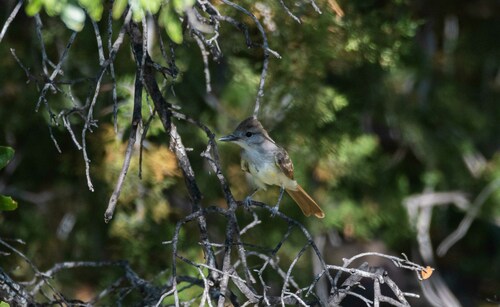
シロハラオオヒタキモドキ (Myiarchus tyrannulus) シロハラオオヒタキモドキ
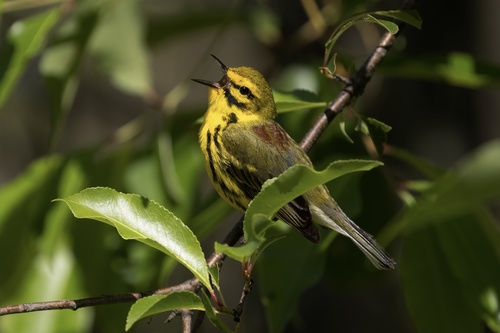
チャスジアメリカムシクイ (Setophaga discolor) チャスジアメリカムシクイ

メディア

読み込み中…

要点

シロハラオオヒタキモドキとチャスジアメリカムシクイを区別する最も信頼できるフィールドマークは全体的な構造です:ヒタキモドキははるかに大きく、太いくちばしを持ち、体重も重いのに対し、ムシクイは小さく、細長く、繊細なくちばしを持っています。すべての羽色において、ヒタキモドキは尾と翼に強い赤褐色のトーンを示し、ふさふさした冠羽と、灰色の胸帯を持つ大胆な黄色の腹部を持っていますが、チャスジアメリカムシクイの黒い顔のストライプや側面の縞模様は欠けています。チャスジアメリカムシクイははるかに小さく、細いくちばし、明るい黄色の顔と腹部、黒い目と頬のストライプ、そして長い尾を上下に動かす習性があります。未熟なチャスジアメリカムシクイも、 dullerであっても、細く活発なムシクイの印象と顔のパターンを保持しています。飛行中に見られた場合、ヒタキモドキの赤褐色の尾のフラッシュは診断的であり、ムシクイは尾に白を示します。サイズと構造は、どんな距離でも決定的です。

識別のコツ

  1. Size and Structure: シロハラオオヒタキモドキはチャスジアメリカムシクイよりもはるかに大きく、がっしりとしています。もしその鳥がスズメサイズまたはそれ以下に見える場合、それはヒタキモドキではありません。
  2. Bill Shape: ヒタキモドキは太く、広い基部のくちばしを持っています;チャスジアメリカムシクイのくちばしは細く、尖っていて、繊細です。くちばしの形は中程度の距離でも見えます。
  3. Tail Pattern in Flight: シロハラオオヒタキモドキは尾に赤褐色のフラッシュを示します(最も内側のペアを除く)、すべての年齢で見え、特に飛行中または扇状に広げたときに明らかです。チャスジアメリカムシクイは尾が広がったり、はじかれたりしたときに特に大きな白い尾の斑点を示します。
  4. Facial Pattern: チャスジアメリカムシクイは大胆な黒い目のストライプと曲がった黒い頬のストライプを持ち、「疲れた」または眼鏡をかけたような外見を形成します。シロハラオオヒタキモドキは黒い顔のマーキングがなく、代わりに無地の灰色の顔を示します。
  5. Crest: ヒタキモドキは特に警戒しているときにふさふさした冠羽を上げることがよくあります。チャスジアメリカムシクイの冠羽は滑らかで平らです。
  6. Underparts: 両種ともに黄色の腹部を持っていますが、ヒタキモドキの黄色は腹部と下胸部で最も明るく、淡い灰色の喉と上胸部が微妙な帯を形成しています。チャスジアメリカムシクイは喉から腹部まで黄色で、側面に暗い縞模様があります(特にオスや成鳥で)。
  7. Wingbars: 両者ともに2つの翼帯を持っていますが、ヒタキモドキのものはより広く、淡い(灰色がかったまたは白っぽい)です。一方、ムシクイのものはかすかで狭いです。
  8. Upperparts: ヒタキモドキの背中は灰褐色からオリーブグレーで、時には赤褐色の色合いがあります。チャスジアメリカムシクイは上面がオリーブグリーンで、オスにはしばしば栗色または赤褐色の縞模様があります。
  9. Leg Color: 両者ともに暗い脚を持っています;これは有用な区別にはなりません。
  10. Behavior: チャスジアメリカムシクイは頻繁に尾を上下に動かしたり、振ったりする行動を示しますが、ヒタキモドキでは見られません。ヒタキモドキは直立して止まり、サリー狩りをします。
  11. Habitat: 大きな木や巣穴に適したサボテンのある開けた森ではヒタキモドキを疑い、低木のある野原や若い松の森ではムシクイを疑います。
  12. Sex and Age: メスと未熟なPrairie Warblersはより dullerで、かすかな縞模様を持っていますが、依然として顔のパターンと細身の体型を示します。ヒタキモドキの性別と年齢は羽色が似ており、わずかな亜種の変異のみがあります。
  13. Voice: これらのメモからは診断的ではありません。
  14. Jizz: 全体的な印象が決定的です:ヒタキモドキは大きく、直立した、重い頭の鳥です;ムシクイは小さく、細く、活発です。
  15. Pitfalls: 黄色の腹部だけに頼らないでください—両種ともにそれを持っていますが、サイズ、構造、尾のパターン、顔の組み合わせが常に診断的です。

大きさ

シロハラオオヒタキモドキはチャスジアメリカムシクイよりも劇的に大きく、重いです。ヒタキモドキは18〜23 cmの長さで、亜種によって21〜54 gの重さがあります。これは、長さがほぼ3倍、チャスジアメリカムシクイの質量は何倍にもなります。チャスジアメリカムシクイはわずか11〜13 cmの長さで、約7.5 gの重さです。ヒタキモドキは太く、広いくちばしと頑丈な体を持っていますが、ムシクイは小さく、細長く、繊細で尖ったくちばしを持っています。距離があったり、光が悪い場合でも、このサイズの違いは明白です。

羽色

年齢に関係なく、シロハラオオヒタキモドキは灰褐色の上面、ふさふさした冠羽、尾と翼の縁に強い赤褐色のトーンを示します。腹部は淡い灰色の胸と喉の下に明るい黄色で、暗い翼に2つの淡い翼帯があります。尾は暗く、最も内側のペアを除いて赤褐色の内側の羽があります。幼鳥と成鳥の羽色は似ており、亜種間でのトーンの微妙な違いのみがあります。対照的に、チャスジアメリカムシクイは下側が明るい黄色で、側面に暗い縞模様があります(特にオスや成鳥で)、上面はオリーブグリーンで、栗色または赤褐色の縞模様があります。顔は黒い目のストライプと曲がった黒い頬のストライプで特徴づけられ、「疲れた」外見を与えます。メスと未熟な個体はより dullerで、かすかな縞模様を持っていますが、顔のパターンと全体的な黄色のトーンは残ります。飛行中、チャスジアメリカムシクイは尾に大きな白い斑点を示し、ヒタキモドキは赤褐色のフラッシュを示します。これらの尾のパターンはすべての年齢層で見られます。

行動

チャスジアメリカムシクイは非常に活発で、尾を上下に動かしたり、振ったりしながら、低木や開けた森を素早く移動する姿がよく見られます。シロハラオオヒタキモドキはより慎重で、通常は露出した枝に直立して止まり、昆虫を捕まえるために飛び出し、ふさふさした冠羽を示します。ヒタキモドキは尾を上下に動かしません。これらの行動の違いは、短い視界でも明らかです。

生息環境

シロハラオオヒタキモドキは、巣穴に適した大きな木やサボテンのある開けた森林、エッジ、または乾燥したまたは半乾燥の地域を好みます。チャスジアメリカムシクイは、低木のある野原、若い二次成長、または開けた松の森を好み、通常は密な低植生のある地域に生息します。移動中の中継地点での重複がある場合もありますが、彼らの好む生息地は通常かなり異なります。

より良い説明を送る

比較と同じ項目を使ってください。文章はすぐに公開されます。

The most reliable field mark to separate Brown-crested Flycatcher from Prairie Warbler is overall structure: the flycatcher is much larger, thick-billed, and heavy-bodied, while the warbler is tiny, slender, and fine-billed. In all plumages, the flycatcher shows a strong rufous tone in the tail and wings, a bushy crest, and bold yellow underparts with a gray breast band, but lacks the Prairie Warbler’s black facial stripes and flank streaks. Prairie Warbler is much smaller, with a thin bill, bright yellow face and underparts, black eye and malar stripes, and a habit of pumping its long tail. Even immature Prairie Warblers, though duller, retain the slim, active warbler jizz and facial pattern. If seen in flight, the flycatcher’s rufous tail flashes are diagnostic, while the warbler shows white in the tail. Size and structure are decisive at any distance.

  1. Size and Structure: Brown-crested Flycatcher is much larger and bulkier than Prairie Warbler. If the bird appears sparrow-sized or smaller, it is not a flycatcher.
  2. Bill Shape: Flycatcher has a thick, broad-based bill; Prairie Warbler’s bill is thin, pointed, and delicate. Bill shape is visible even at moderate range.
  3. Tail Pattern in Flight: Brown-crested Flycatcher shows rufous flashes in the tail (except the innermost pair), visible in all ages and especially obvious in flight or when fanned. Prairie Warbler shows large white tail spots, especially when the tail is spread or flicked.
  4. Facial Pattern: Prairie Warbler has a bold black eye-stripe and a curved black malar stripe, forming a 'tired' or spectacled look. Brown-crested Flycatcher lacks any black facial markings, showing a plain gray face instead.
  5. Crest: Flycatcher often raises a bushy crest, especially when alert. Prairie Warbler’s crown is smooth and flat.
  6. Underparts: Both species have yellow underparts, but the flycatcher’s yellow is brightest on the belly and lower breast, with a pale gray throat and upper breast forming a subtle band. Prairie Warbler is yellow from throat to belly, with dark streaks on the flanks (especially in males and adults).
  7. Wingbars: Both have two wingbars, but the flycatcher’s are broader and paler (grayish or whitish), while the warbler’s are faint and narrow.
  8. Upperparts: Flycatcher’s back is grayish-brown to olive-gray, sometimes with a rufous tinge. Prairie Warbler is olive-green above, often with chestnut or rufous streaks in males.
  9. Leg Color: Both have dark legs; not a useful separator.
  10. Behavior: Prairie Warbler frequently pumps or wags its tail, a behavior not seen in the flycatcher. Flycatcher perches upright and sally-hunts.
  11. Habitat: In open woods with large trees or cacti, suspect flycatcher; in shrubby fields or young pine woods, suspect warbler.
  12. Sex and Age: Female and immature Prairie Warblers are duller, with fainter streaks, but still show the facial pattern and slim build. Flycatcher sexes and ages are similar in plumage, with only minor subspecific variation.
  13. Voice: Not diagnostic from these notes.
  14. Jizz: Overall impression is decisive: flycatcher is a big, upright, heavy-headed bird; warbler is tiny, slim, and active.
  15. Pitfalls: Do not rely on yellow underparts alone—both species have them, but the combination of size, structure, tail pattern, and face is always diagnostic.

Brown-crested Flycatcher is dramatically larger and heavier than Prairie Warbler. The flycatcher ranges from 18–23 cm in length and weighs 21–54 g depending on subspecies, making it nearly three times the length and many times the mass of the Prairie Warbler, which is only 11–13 cm long and weighs about 7.5 g. The flycatcher has a thick, broad bill and a robust body, while the warbler is tiny, slender, and has a fine, pointed bill. Even at a distance or in poor light, this size difference is unmistakable.

No matter the age, Brown-crested Flycatcher shows a combination of grayish-brown upperparts, a bushy crest, and strong rufous tones in the tail and wing edges. Its underparts are bright yellow below a pale gray breast and throat, with two pale wingbars on dark wings. The tail is dark with rufous inner webs except the innermost pair. Juvenile and adult plumages are similar, with only subtle differences in tone among subspecies. Prairie Warbler, by contrast, is bright yellow below with dark streaks on the flanks (especially in males and adults), olive-green upperparts with chestnut or rufous streaks, and two faint wingbars. The face is marked by a black eye-stripe and a curved black malar (throat) stripe, giving a distinctive 'tired' look. Females and immatures are duller, with fainter streaks, but the facial pattern and overall yellow tone remain. In flight, Prairie Warbler shows large white patches in the tail, while the flycatcher shows rufous flashes. These tail patterns are visible in all age classes.

Prairie Warbler is highly active, often seen pumping or wagging its tail and moving quickly through low shrubs or open woods. Brown-crested Flycatcher is more deliberate, typically perching upright on exposed branches, sallying out to catch insects, and showing a bushy crest. The flycatcher does not pump its tail. These behavioral differences are apparent even in brief views.

Brown-crested Flycatcher favors open woodlands, edges, and areas with large trees or cacti suitable for nesting cavities, often in drier or semi-arid regions. Prairie Warbler prefers shrubby fields, young second-growth, or open pine woods, usually in areas with dense low vegetation. While some overlap can occur at migration stopovers, their preferred habitats are usually quite different.

変更を破棄しますか?

保存していない編集があります。今離れると失われます。

シロハラオオヒタキモドキ · チャスジアメリカムシクイ · 苦手な鳥