

Copetón Tiranillo vs Reinita Galana
Myiarchus tyrannulus frente a Setophaga discolor
Juega un quiz con Copetón Tiranillo y Reinita Galana
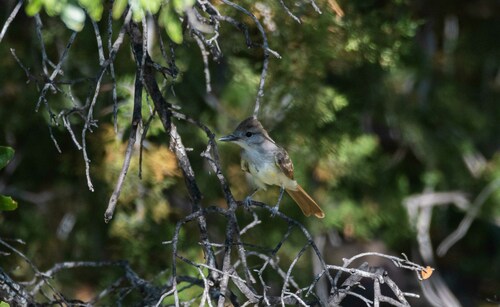 Copetón Tiranillo
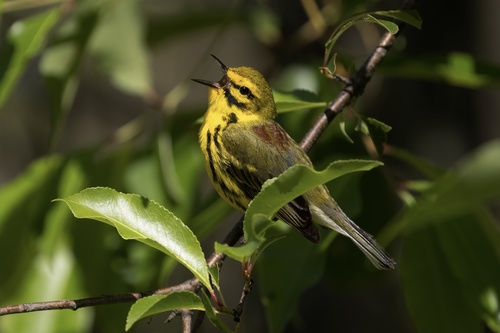 Reinita Galana
En breve
La marca de campo más confiable para separar el Copetón Tiranillo de la Reinita Galana es la estructura general: el tiranillo es mucho más grande, con un pico grueso y un cuerpo robusto, mientras que la reinita es diminuta, esbelta y con un pico fino. En todos los plumajes, el tiranillo muestra un fuerte tono rufo en la cola y las alas, una cresta espesa y partes inferiores amarillas audaces con una banda gris en el pecho, pero carece de las franjas faciales negras y las rayas en los flancos de la Reinita Galana. La Reinita Galana es mucho más pequeña, con un pico delgado, cara y partes inferiores de un amarillo brillante, franjas negras en el ojo y en la zona malar, y un hábito de mover su larga cola. Incluso las Reinita Galana inmaduras, aunque más apagadas, conservan la apariencia esbelta y activa de la reinita y el patrón facial. Si se ve en vuelo, los destellos de la cola rufo del tiranillo son diagnósticos, mientras que la reinita muestra blanco en la cola. El tamaño y la estructura son decisivos a cualquier distancia.
Consejos de identificación
- Tamaño y Estructura: El Copetón Tiranillo es mucho más grande y robusto que la Reinita Galana. Si el ave parece del tamaño de un gorrión o más pequeña, no es un tiranillo.
- Forma del Pico: El tiranillo tiene un pico grueso y de base ancha; el pico de la Reinita Galana es delgado, puntiagudo y delicado. La forma del pico es visible incluso a distancia moderada.
- Patrón de la Cola en Vuelo: El Copetón Tiranillo muestra destellos rufos en la cola (excepto el par más interno), visibles en todas las edades y especialmente obvios en vuelo o cuando se despliega. La Reinita Galana muestra grandes manchas blancas en la cola, especialmente cuando la cola está extendida o movida.
- Patrón Facial: La Reinita Galana tiene una audaz franja negra sobre el ojo y una franja malar negra curva, formando un aspecto 'cansado' o de gafas. El Copetón Tiranillo carece de marcas faciales negras, mostrando en su lugar una cara gris lisa.
- Cresta: El tiranillo a menudo levanta una cresta espesa, especialmente cuando está alerta. La corona de la Reinita Galana es lisa y plana.
- Partes Inferiores: Ambas especies tienen partes inferiores amarillas, pero el amarillo del tiranillo es más brillante en el vientre y el pecho inferior, con una garganta y un pecho superior gris pálido formando una banda sutil. La Reinita Galana es amarilla desde la garganta hasta el vientre, con rayas oscuras en los flancos (especialmente en machos y adultos).
- Barras Alares: Ambas tienen dos barras alares, pero las del tiranillo son más anchas y pálidas (grisáceas o blanquecinas), mientras que las de la reinita son tenues y estrechas.
- Partes Superiores: La espalda del tiranillo es de color marrón grisáceo a gris olivo, a veces con un matiz rufo. La Reinita Galana es de color verde olivo por encima, a menudo con rayas castañas o rufas en los machos.
- Color de las Piernas: Ambas tienen piernas oscuras; no es un separador útil.
- Comportamiento: La Reinita Galana frecuentemente mueve o agita su cola, un comportamiento que no se observa en el tiranillo. El tiranillo se posa erguido y caza en picada.
- Hábitat: En bosques abiertos con grandes árboles o cactus, sospecha del tiranillo; en campos arbustivos o bosques jóvenes de pinos, sospecha de la reinita.
- Sexo y Edad: Las Reinita Galana hembras e inmaduras son más apagadas, con rayas más tenues, pero aún muestran el patrón facial y la estructura esbelta. Los sexos y edades del tiranillo son similares en plumaje, con solo una variación subspecífica menor.
- Voz: No es diagnóstica a partir de estas notas.
- Jizz: La impresión general es decisiva: el tiranillo es un ave grande, erguida y de cabeza robusta; la reinita es diminuta, esbelta y activa.
- Trampas: No confíes solo en las partes inferiores amarillas: ambas especies las tienen, pero la combinación de tamaño, estructura, patrón de cola y cara siempre es diagnóstica.
Tamaño
El Copetón Tiranillo es dramáticamente más grande y pesado que la Reinita Galana. El tiranillo mide entre 18 y 23 cm de longitud y pesa entre 21 y 54 g dependiendo de la subespecie, lo que lo hace casi tres veces más largo y muchas veces más pesado que la Reinita Galana, que mide solo entre 11 y 13 cm de largo y pesa alrededor de 7.5 g. El tiranillo tiene un pico grueso y amplio y un cuerpo robusto, mientras que la reinita es diminuta, esbelta y tiene un pico fino y puntiagudo. Incluso a distancia o en poca luz, esta diferencia de tamaño es inconfundible.
Plumaje
Sin importar la edad, el Copetón Tiranillo muestra una combinación de partes superiores marrón grisáceo, una cresta espesa y tonos rufos fuertes en la cola y los bordes de las alas. Sus partes inferiores son de un amarillo brillante debajo de un pecho y una garganta gris pálido, con dos barras alares pálidas en alas oscuras. La cola es oscura con plumas internas rufas, excepto el par más interno. Los plumajes juveniles y adultos son similares, con solo diferencias sutiles en el tono entre subespecies. La Reinita Galana, en contraste, es de un amarillo brillante por debajo con rayas oscuras en los flancos (especialmente en machos y adultos), partes superiores verde olivo con rayas castañas o rufas, y dos barras alares tenues. La cara está marcada por una franja negra sobre el ojo y una franja malar negra curva, dando un aspecto distintivo de 'cansado'. Las hembras y los inmaduros son más apagados, con rayas más tenues, pero el patrón facial y el tono amarillo general permanecen. En vuelo, la Reinita Galana muestra grandes parches blancos en la cola, mientras que el tiranillo muestra destellos rufos. Estos patrones de cola son visibles en todas las clases de edad.
Comportamiento
La Reinita Galana es altamente activa, a menudo vista moviendo o agitando su cola y moviéndose rápidamente a través de arbustos bajos o bosques abiertos. El Copetón Tiranillo es más deliberado, típicamente posándose erguido en ramas expuestas, saliendo a cazar insectos y mostrando una cresta espesa. El tiranillo no mueve su cola. Estas diferencias de comportamiento son evidentes incluso en vistas breves.
Hábitat
El Copetón Tiranillo prefiere bosques abiertos, bordes y áreas con grandes árboles o cactus adecuados para cavidades de anidación, a menudo en regiones más secas o semiáridas. La Reinita Galana prefiere campos arbustivos, jóvenes de segundo crecimiento o bosques abiertos de pinos, generalmente en áreas con vegetación baja densa. Aunque puede haber cierta superposición en paradas de migración, sus hábitats preferidos suelen ser bastante diferentes.