

Brown-crested Flycatcher vs Prairie Warbler
Myiarchus tyrannulus contro Setophaga discolor
Fai un quiz con Brown-crested Flycatcher e Prairie Warbler
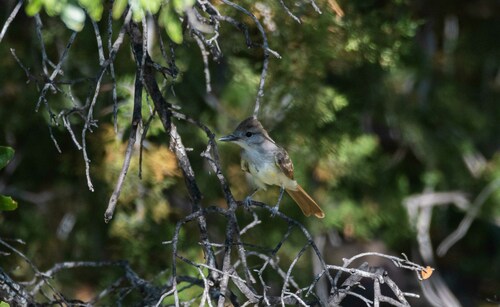 Brown-crested Flycatcher
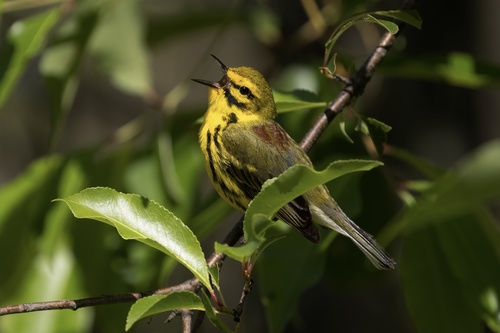 Prairie Warbler
In breve
Il segno di campo più affidabile per separare il Brown-crested Flycatcher dal Prairie Warbler è la struttura complessiva: il flycatcher è molto più grande, con un becco spesso e un corpo pesante, mentre il warbler è minuscolo, snodato e con un becco fine. In tutte le livree, il flycatcher mostra un forte tono ruggine nella coda e nelle ali, una cresta folta e parti inferiori gialle audaci con una banda grigia sul petto, ma manca delle strisce facciali nere e delle striature laterali del Prairie Warbler. Il Prairie Warbler è molto più piccolo, con un becco sottile, un viso e parti inferiori gialle brillanti, strisce nere sugli occhi e sul malar, e un'abitudine di pompare la sua lunga coda. Anche i Prairie Warbler immaturi, sebbene più opachi, mantengono l'aspetto snodato e attivo del warbler e il motivo facciale. Se visti in volo, i lampi di coda ruggine del flycatcher sono diagnostici, mentre il warbler mostra bianco nella coda. La dimensione e la struttura sono decisive a qualsiasi distanza.
Consigli di identificazione
- Dimensione e Struttura: Il Brown-crested Flycatcher è molto più grande e massiccio del Prairie Warbler. Se l'uccello appare delle dimensioni di un passero o più piccolo, non è un flycatcher.
- Forma del Becco: Il flycatcher ha un becco spesso e a base larga; il becco del Prairie Warbler è sottile, appuntito e delicato. La forma del becco è visibile anche a distanza moderata.
- Motivo della Coda in Volo: Il Brown-crested Flycatcher mostra lampi ruggine nella coda (eccetto la coppia più interna), visibili in tutte le età e particolarmente evidenti in volo o quando è aperta. Il Prairie Warbler mostra grandi macchie bianche sulla coda, specialmente quando la coda è aperta o scossa.
- Motivo Facciale: Il Prairie Warbler ha una audace striscia nera sugli occhi e una striscia nera malar curva, formando un aspetto 'stanco' o con occhiali. Il Brown-crested Flycatcher manca di segni facciali neri, mostrando invece un viso grigio uniforme.
- Cresta: Il flycatcher alza spesso una cresta folta, specialmente quando è all'erta. La corona del Prairie Warbler è liscia e piatta.
- Parti Inferiori: Entrambe le specie hanno parti inferiori gialle, ma il giallo del flycatcher è più brillante sul ventre e sul petto inferiore, con una gola e un petto superiore grigio pallido che formano una banda sottile. Il Prairie Warbler è giallo dalla gola al ventre, con striature scure sui fianchi (specialmente nei maschi e negli adulti).
- Strisce Alari: Entrambi hanno due strisce alari, ma quelle del flycatcher sono più larghe e più chiare (grigiastre o bianche), mentre quelle del warbler sono deboli e strette.
- Parte Superiore: La schiena del flycatcher è grigio-bruna a grigio-oliva, a volte con una sfumatura ruggine. Il Prairie Warbler è verde oliva sopra, spesso con striature castagne o ruggine nei maschi.
- Colore delle Zampe: Entrambi hanno zampe scure; non è un separatore utile.
- Comportamento: Il Prairie Warbler pompa o scossa frequentemente la sua coda, un comportamento non visto nel flycatcher. Il flycatcher si posiziona eretto e caccia in volo.
- Habitat: In boschi aperti con grandi alberi o cactus, sospettare un flycatcher; in campi cespugliosi o giovani boschi di pino, sospettare un warbler.
- Sesso e Età: Le femmine e i Prairie Warbler immaturi sono più opachi, con striature più deboli, ma mostrano ancora il motivo facciale e una struttura snella. I sessi e le età del flycatcher sono simili nella livrea, con solo lievi variazioni sottospecifiche.
- Voce: Non diagnostico da queste note.
- Jizz: L'impressione generale è decisiva: il flycatcher è un grande uccello eretto e pesante; il warbler è minuscolo, snodato e attivo.
- Trappole: Non fare affidamento solo sulle parti inferiori gialle: entrambe le specie le hanno, ma la combinazione di dimensione, struttura, motivo della coda e faccia è sempre diagnostica.
Taglia
Il Brown-crested Flycatcher è drammaticamente più grande e pesante del Prairie Warbler. Il flycatcher varia da 18 a 23 cm di lunghezza e pesa da 21 a 54 g a seconda della sottospecie, rendendolo quasi tre volte la lunghezza e molte volte la massa del Prairie Warbler, che è lungo solo 11-13 cm e pesa circa 7,5 g. Il flycatcher ha un becco spesso e largo e un corpo robusto, mentre il warbler è minuscolo, snodato e ha un becco fine e appuntito. Anche a distanza o in scarsa luce, questa differenza di dimensione è inconfondibile.
Piumaggio
Indipendentemente dall'età, il Brown-crested Flycatcher mostra una combinazione di parti superiori grigio-brune, una cresta folta e forti toni ruggine nella coda e nei bordi delle ali. Le sue parti inferiori sono gialle brillanti sotto un petto e una gola grigio pallido, con due strisce alari chiare su ali scure. La coda è scura con web interni ruggine, eccetto la coppia più interna. Le livree giovanili e adulte sono simili, con solo lievi differenze di tono tra le sottospecie. Il Prairie Warbler, al contrario, è giallo brillante sotto con striature scure sui fianchi (specialmente nei maschi e negli adulti), parti superiori verde oliva con striature castagne o ruggine, e due strisce alari deboli. Il viso è contrassegnato da una striscia nera sugli occhi e una striscia malar nera curva, dando un aspetto distintivo 'stanco'. Le femmine e gli immaturi sono più opachi, con striature più deboli, ma il motivo facciale e il tono giallo generale rimangono. In volo, il Prairie Warbler mostra grandi macchie bianche nella coda, mentre il flycatcher mostra lampi ruggine. Questi motivi della coda sono visibili in tutte le classi di età.
Comportamento
Il Prairie Warbler è altamente attivo, spesso visto pompare o scossa la sua coda e muoversi rapidamente attraverso cespugli bassi o boschi aperti. Il Brown-crested Flycatcher è più deliberato, tipicamente posandosi eretto su rami esposti, lanciandosi per catturare insetti e mostrando una cresta folta. Il flycatcher non pompa la sua coda. Queste differenze comportamentali sono evidenti anche in brevi visioni.
Habitat
Il Brown-crested Flycatcher preferisce boschi aperti, bordi e aree con grandi alberi o cactus adatti per cavità di nidificazione, spesso in regioni più secche o semi-aride. Il Prairie Warbler preferisce campi cespugliosi, giovani boschi di secondo sviluppo o boschi di pino aperti, di solito in aree con vegetazione bassa densa. Anche se può verificarsi qualche sovrapposizione durante le soste migratorie, i loro habitat preferiti sono di solito abbastanza diversi.
Brown-crested Flycatcher · Prairie Warbler · I miei uccelli difficili