

Motmot

ツバメ 対 Brown-throated Sunbird

Hirundo rustica 対 Anthreptes malacensis

ツバメとBrown-throated Sunbirdのクイズ
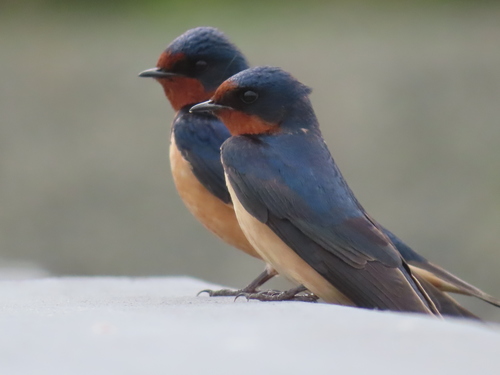
ツバメ (Hirundo rustica) ツバメ
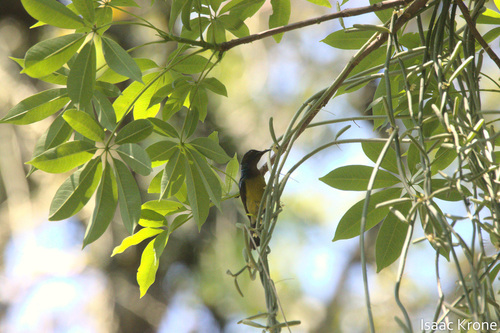
Brown-throated Sunbird (Anthreptes malacensis) Brown-throated Sunbird

メディア

読み込み中…

要点

最も信頼できるフィールドマークは、ツバメの長く深く分かれた尾と白い斑点、赤褐色の顔であり、対してBrown-throated Sunbirdは短く四角い尾と金属的な緑/紫の上面を持っています。幼鳥のツバメは長い尾の流れを欠いていますが、依然として淡い赤褐色の顔と白い腹部を示し、サンバードは決して分かれた尾や赤褐色の顔を持ちません。飛行中、ツバメは尖った翼と流線型のシルエットを示し、サンバードはよりコンパクトで重いくちばしと短い翼を持っています。長くツバメのような尾と速い飛行を持つ鳥を見たら、それはツバメです; ずんぐりした、太いくちばしを持つ虹色の鳥で、黄色い腹部を持つのはBrown-throated Sunbirdです。

識別のコツ

  1. 尾の形と長さ: ツバメ(成鳥)は、先端近くに白い斑点のある長く深く分かれた尾を持っています; 幼鳥でもわずかに分かれた尾があります。Brown-throated Sunbirdは常に白い斑点のない短く四角い尾を持っています。
  2. 上翼と飛行シルエット: ツバメは長く尖った翼と流線型で速く飛ぶ形を示します。サンバードはコンパクトで、短く丸い翼と重い下向きのくちばしを持っています。
  3. 顔と喉の色: ツバメ(全ての年齢)は赤褐色の額、あご、喉を示し、青い胸の帯によって腹部と分けられています。サンバードは決して赤褐色の顔を示しません; オスは金属的な緑/紫の頭を持ち、メスはオリーブ色です。
  4. 腹部: ツバメはオフホワイト(成鳥)またはより白い(幼鳥)腹部を持ち、明確な青い胸の帯があります。Brown-throated Sunbirdは常に下側が黄色(両性)で、胸の帯はありません。
  5. くちばしの形: ツバメは空中の昆虫を捕まえるのに適した短く広いくちばしを持っています。Brown-throated Sunbirdは蜜を吸うための長く太い下向きのくちばしを持っています。
  6. 止まり方: ツバメはワイヤーや露出した枝に直立して止まり、しばしば群れで見られます。サンバードは単独またはペアで止まり、しばしば花の近くで、短時間ホバリングすることがあります。
  7. 飛行スタイル: ツバメの飛行は速く、アクロバティックで持続的です; サンバードの飛行は短く、直接的で、しばしば止まり木の間を移動します。
  8. 性差: オスのツバメは上面が光沢のある青で、長い尾の流れを持っています; メスは鈍い色で、短い流れを持っています。オスのBrown-throated Sunbirdは上面が虹色の緑/紫で、メスは上面がオリーブ色で、下側が黄色です。
  9. 幼鳥の混乱: 幼鳥のツバメは長い尾の流れを欠いていますが、依然として淡い赤褐色の顔と白い腹部を示します。幼鳥/未熟なサンバードは上面がオリーブ色、下側が黄色で、決して赤褐色の顔や分かれた尾を持ちません。
  10. 生息地の文脈: ツバメは開けた国、農地、水の近くで見られ、しばしばワイヤーの上にいます。サンバードは東南アジアの庭、森林の端、半開放的な生息地で見られます。
  11. 鳴き声: ツバメは鋭く多様な鳴き声を出し、特にコロニーや警戒時にそうします。サンバードの鳴き声はより柔らかく、高音で、止まり木から出されます。
  12. サイズの印象: ツバメは尾と翼のために大きく、より細長く見えます; サンバードは小さく、ずんぐりしており、重いくちばしを持っています。
  13. 季節的文脈: ツバメは多くの地域で渡り鳥です; サンバードは東南アジアに常駐しています。範囲外では、識別はほぼ確実です。
  14. 落とし穴: 幼鳥のツバメは尾が短く見えることがありますが、依然として赤褐色の顔と白い腹部を示します。メスのサンバードは鈍く見えることがありますが、常にツバメの尾と顔のパターンを欠いています。
  15. 群れの行動: ツバメは群れで見られることが多く、特に飛行中やワイヤーの上で; サンバードはより孤独またはペアで見られ、通常は花の近くにいます。

大きさ

ツバメはより大きく、細長く、長さ17〜19 cm(尾の流れを含む)、翼幅32〜34.5 cm、体重16〜22 gです [wikipedia]。Brown-throated Sunbirdははるかに小さく、ずんぐりしており、約14 cmの長さで、体重は7.4〜13.5 gです [wikipedia]。ツバメの長い尾と翼はそのサイズを誇張し、サンバードはコンパクトで重いくちばしに見えます。

羽色

行動

ツバメはほぼ常に速くアクロバティックな飛行で見られ、空中で昆虫を捕まえ、しばしば開けた野原や水の上で、ワイヤーに止まります。Brown-throated Sunbirdはより頻繁に止まっているのが見られ、蜜や果物を食べ、花の間を短いホップや飛行で移動します。ツバメはホバリングすることは稀ですが、サンバードは花の近くで短時間ホバリングすることがよくあります。ツバメの飛行は速く、直接的で滑空します; サンバードの飛行は短く、波打っています。

生息環境

ツバメは開けた国、農地、水の近くで見られ、しばしば建物やひさしの下に巣を作り、世界中に広がっています。Brown-throated Sunbirdは東南アジアに限定され、半開放的な生息地、庭、森林の端で見られ、開けた野原やワイヤーでは見られません。東南アジアの都市の庭や森林の端で鳥を見た場合はサンバードを指し、他の場所の開けた国や農地ではツバメを指します。

声

ツバメはさまざまな鳴き声を出し、wittやwitt-witt、警戒時には大きなsplee-plinkを含みます。警戒音には哺乳類用の鋭いsiflittや猛禽類用のflitt-flittが含まれます。Brown-throated Sunbirdの鳴き声はここでは詳細に記述されていませんが、サンバードは通常、高音で迅速なツイッター音を出します。実際には、ツバメは飛行中やコロニーでより多く鳴き、サンバードの鳴き声はより柔らかく、止まり木から出されます。

より良い説明を送る

比較と同じ項目を使ってください。文章はすぐに公開されます。

The most reliable field mark is the Barn Swallow’s long, deeply forked tail with white spots and a rufous face, versus the Brown-throated Sunbird’s short, square tail and metallic green/purple upperparts. Juvenile Barn Swallows lack the long tail streamers but still show a pale rufous face and white underparts, while sunbirds never have a forked tail or rufous face. In flight, Barn Swallow shows pointed wings and a streamlined silhouette; the sunbird is more compact with a heavy bill and short wings. If you see a bird with a long, swallow-like tail and swift flight, it’s a Barn Swallow; a chunky, thick-billed, iridescent bird with yellow underparts is a Brown-throated Sunbird.

  1. Tail shape and length: Barn Swallow (adult) has a long, deeply forked tail with white spots near the tips; even juveniles have a slightly forked tail. Brown-throated Sunbird always has a short, square tail with no white spots.
  2. Upperwing and flight silhouette: Barn Swallow shows long, pointed wings and a streamlined, swift-flying shape. Sunbird is compact, with short, rounded wings and a heavy, decurved bill.
  3. Face and throat color: Barn Swallow (all ages) shows a rufous forehead, chin, and throat, separated from the underparts by a blue breast band. Sunbird never shows a rufous face; males have a metallic green/purple head, females are olive.
  4. Underparts: Barn Swallow has off-white (adult) or whiter (juvenile) underparts, with a clear blue breast band. Brown-throated Sunbird is always yellow below (both sexes), with no breast band.
  5. Bill shape: Barn Swallow has a short, broad bill suited for aerial insect catching. Brown-throated Sunbird has a long, thick, decurved bill for nectar feeding.
  6. Perched posture: Swallow perches upright on wires or exposed branches, often in groups. Sunbird perches singly or in pairs, often at flowers, and may briefly hover.
  7. Flight style: Swallow’s flight is fast, acrobatic, and sustained; sunbird’s is short, direct, and often between perches.
  8. Sexual dimorphism: Male Barn Swallow is glossy blue above with long tail streamers; female is duller with shorter streamers. Male Brown-throated Sunbird is iridescent green/purple above; female is olive-green above and yellow below.
  9. Juvenile confusion: Juvenile Barn Swallow lacks long tail streamers but still shows a pale rufous face and white underparts. Juvenile/immature sunbird is olive above, yellow below, and never has a rufous face or forked tail.
  10. Habitat context: Swallow is seen in open country, farmland, and near water, often on wires. Sunbird is found in gardens, forest edges, and semi-open habitats in Southeast Asia.
  11. Vocalization: Swallow gives sharp, varied calls, especially at colonies or when alarmed. Sunbird’s calls are softer, higher-pitched, and given from perches.
  12. Size impression: Swallow appears larger and more elongated due to tail and wings; sunbird is smaller, chunkier, and heavy-billed.
  13. Seasonal context: Swallow is migratory in many regions; sunbird is resident in Southeast Asia. Out of range, the ID is almost certain.
  14. Pitfalls: Juvenile swallows may appear shorter-tailed, but still show a rufous face and white underparts. Female sunbirds may look dull, but always lack the swallow’s tail and face pattern.
  15. Group behavior: Swallows often seen in flocks, especially in flight or on wires; sunbirds are more solitary or in pairs, usually near flowers.

Barn Swallow is larger and more slender, measuring 17–19 cm in length (including tail streamers), with a wingspan of 32–34.5 cm and weighing 16–22 g [wikipedia]. Brown-throated Sunbird is much smaller and chunkier, about 14 cm long and 7.4–13.5 g [wikipedia]. The swallow’s long tail and wings exaggerate its size, while the sunbird appears compact and heavy-billed.

  • Juvenile/immature: Juvenile Barn Swallow is browner above, with a pale rufous face and white underparts, and lacks the long tail streamers of adults. The tail is still slightly forked but much shorter. Brown-throated Sunbird juveniles are not described in detail, but females and immatures are olive-green above and yellowish below, with no rufous face or forked tail.
  • Adult male Barn Swallow: Steel blue upperparts, rufous forehead/throat, broad blue breast band, off-white underparts, and very long, deeply forked tail with white spots near the tips. Female similar but duller and with shorter tail streamers.
  • Adult male Brown-throated Sunbird: Iridescent green and purple upperparts, chestnut on wing-coverts and scapulars, bright yellow below. Female is olive-green above and yellowish below, lacking the male’s iridescence.
  • Key contrast: Only Barn Swallow has a rufous face and a blue breast band; only Barn Swallow has a forked tail with white spots. Sunbird never shows these features, instead showing metallic or olive upperparts and yellow underparts.

Barn Swallow is almost always seen in swift, acrobatic flight, catching insects on the wing, often over open fields or water, and perching on wires. Brown-throated Sunbird is more often seen perched, feeding on nectar or fruit, and moves in short hops or flights between flowers. Swallows rarely hover; sunbirds often do so briefly at flowers. Swallow’s flight is fast and direct with glides; sunbird’s flight is short and undulating.

Barn Swallow is found in open country, farmland, and near water, often nesting on buildings or under eaves, and is widespread globally. Brown-throated Sunbird is restricted to Southeast Asia, found in semi-open habitats, gardens, and forest edges, and is not found in open fields or on wires. Seeing a bird in an urban garden or forest edge in Southeast Asia points to sunbird; open country or farmland anywhere else favors swallow.

Barn Swallow gives a variety of calls, including a witt or witt-witt, and a loud splee-plink when alarmed. Alarm calls include a sharp siflitt for mammals and flitt-flitt for raptors. Brown-throated Sunbird’s vocalizations are not described in detail here, but sunbirds typically give high-pitched, rapid twittering calls. In practice, Barn Swallow is more vocal in flight and at colonies, while sunbird calls are softer and given from perches.

変更を破棄しますか?

保存していない編集があります。今離れると失われます。

ツバメ · Brown-throated Sunbird · 苦手な鳥