

Rondine vs Brown-throated Sunbird
Hirundo rustica contro Anthreptes malacensis
Fai un quiz con Rondine e Brown-throated Sunbird
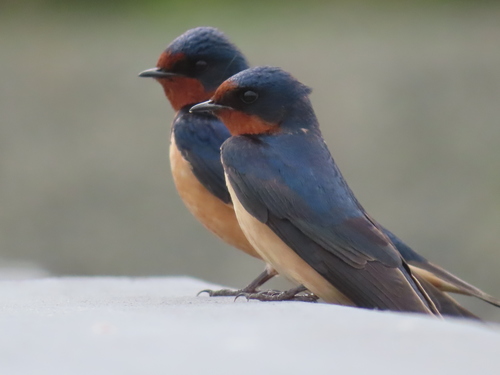 Rondine
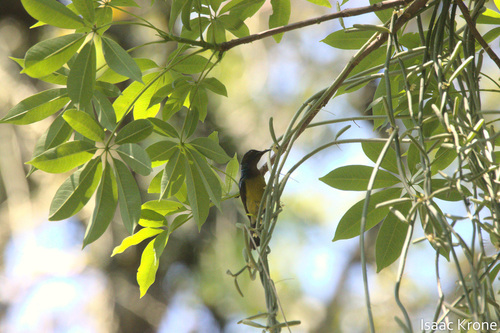 Brown-throated Sunbird
In breve
Il segno distintivo più affidabile è la lunga coda profondamente biforcuta della Rondine con macchie bianche e un volto rufous, rispetto alla coda corta e quadrata del Brown-throated Sunbird e alla parte superiore verde/viola metallica. Le Rondini juvenile mancano dei lunghi streamers della coda ma mostrano comunque un volto rufous pallido e parti inferiori bianche, mentre i sunbird non hanno mai una coda biforcuta o un volto rufous. In volo, la Rondine mostra ali appuntite e una silhouette aerodinamica; il sunbird è più compatto con un becco pesante e ali corte. Se vedi un uccello con una lunga coda simile a quella di una rondine e un volo veloce, è una Rondine; un uccello massiccio, con un becco spesso e iridescente e parti inferiori gialle è un Brown-throated Sunbird.
Consigli di identificazione
- Forma e lunghezza della coda: La Rondine (adulta) ha una lunga coda profondamente biforcuta con macchie bianche vicino alle punte; anche i juvenile hanno una coda leggermente biforcuta. Il Brown-throated Sunbird ha sempre una coda corta e quadrata senza macchie bianche.
- Parte superiore dell'ala e silhouette di volo: La Rondine mostra ali lunghe e appuntite e una forma aerodinamica e veloce. Il sunbird è compatto, con ali corte e arrotondate e un becco pesante e ricurvo.
- Colore del volto e della gola: La Rondine (di tutte le età) mostra una fronte, un mento e una gola rufous, separati dalle parti inferiori da una banda petto blu. Il sunbird non mostra mai un volto rufous; i maschi hanno una testa verde/viola metallica, le femmine sono olive.
- Parti inferiori: La Rondine ha parti inferiori bianco sporco (adulta) o più bianche (juvenile), con una chiara banda petto blu. Il Brown-throated Sunbird è sempre giallo sotto (entrambi i sessi), senza banda petto.
- Forma del becco: La Rondine ha un becco corto e largo adatto per catturare insetti in volo. Il Brown-throated Sunbird ha un becco lungo, spesso e ricurvo per nutrirsi di nettare.
- Postura in perching: La Rondine si appollaia dritta su fili o rami esposti, spesso in gruppi. Il sunbird si appollaia singolarmente o in coppie, spesso sui fiori, e può librarsi brevemente.
- Stile di volo: Il volo della Rondine è veloce, acrobatico e sostenuto; quello del sunbird è corto, diretto e spesso tra i perches.
- Dimorfismo sessuale: Il maschio della Rondine è blu lucido sopra con lunghi streamers della coda; la femmina è più opaca con streamers più corti. Il maschio del Brown-throated Sunbird è verde/viola iridescente sopra; la femmina è verde oliva sopra e gialla sotto.
- Confusione giovanile: La Rondine juvenile manca dei lunghi streamers della coda ma mostra comunque un volto rufous pallido e parti inferiori bianche. Il sunbird juvenile/immaturo è oliva sopra, giallo sotto e non ha mai un volto rufous o una coda biforcuta.
- Contesto dell'habitat: La Rondine è vista in campagna aperta, terreni agricoli e vicino all'acqua, spesso su fili. Il sunbird si trova in giardini, bordi di foreste e habitat semi-aperti nel sud-est asiatico.
- Vocalizzazione: La Rondine emette richiami acuti e vari, specialmente nelle colonie o quando è allarmata. I richiami del sunbird sono più morbidi, di tono più alto e emessi dai perches.
- Impressione di dimensione: La Rondine appare più grande e più allungata a causa della coda e delle ali; il sunbird è più piccolo, più massiccio e con un becco pesante.
- Contesto stagionale: La Rondine è migratoria in molte regioni; il sunbird è residente nel sud-est asiatico. Fuori dalla sua area, l'identificazione è quasi certa.
- Trappole: Le Rondini juvenile possono apparire con la coda più corta, ma mostrano comunque un volto rufous e parti inferiori bianche. Le femmine di sunbird possono sembrare opache, ma mancano sempre della coda e del motivo del volto della rondine.
- Comportamento di gruppo: Le Rondini sono spesso viste in stormi, specialmente in volo o su fili; i sunbird sono più solitari o in coppie, di solito vicino ai fiori.
Taglia
La Rondine è più grande e più snella, misurando 17–19 cm di lunghezza (inclusi gli streamers della coda), con un'apertura alare di 32–34,5 cm e un peso di 16–22 g [wikipedia]. Il Brown-throated Sunbird è molto più piccolo e massiccio, circa 14 cm di lunghezza e 7,4–13,5 g [wikipedia]. La lunga coda e le ali della rondine esagerano la sua dimensione, mentre il sunbird appare compatto e con un becco pesante.
Piumaggio
- Juvenile/immaturo: La Rondine juvenile è più marrone sopra, con un volto rufous pallido e parti inferiori bianche, e manca dei lunghi streamers della coda degli adulti. La coda è ancora leggermente biforcuta ma molto più corta. I juvenile del Brown-throated Sunbird non sono descritti in dettaglio, ma le femmine e gli immaturi sono verde oliva sopra e giallastri sotto, senza volto rufous o coda biforcuta.
- Maschio adulto della Rondine: Parti superiori blu acciaio, fronte/gola rufous, ampia banda petto blu, parti inferiori bianco sporco e coda molto lunga e profondamente biforcuta con macchie bianche vicino alle punte. La femmina è simile ma più opaca e con streamers della coda più corti.
- Maschio adulto del Brown-throated Sunbird: Parti superiori iridescenti verdi e viola, castagno sulle copritrici delle ali e scapolari, giallo brillante sotto. La femmina è verde oliva sopra e giallastra sotto, priva dell'iridescenza del maschio.
- Contrasto chiave: Solo la Rondine ha un volto rufous e una banda petto blu; solo la Rondine ha una coda biforcuta con macchie bianche. Il sunbird non mostra mai queste caratteristiche, mostrando invece parti superiori metalliche o olive e parti inferiori gialle.
Comportamento
La Rondine è quasi sempre vista in volo veloce e acrobatico, catturando insetti in volo, spesso su campi aperti o acqua, e appollaiandosi su fili. Il Brown-throated Sunbird è più spesso visto appollaiato, nutrendosi di nettare o frutta, e si muove in brevi salti o voli tra i fiori. Le rondini raramente si librano; i sunbird spesso lo fanno brevemente sui fiori. Il volo della rondine è veloce e diretto con planate; il volo del sunbird è corto e ondulato.
Habitat
La Rondine si trova in campagna aperta, terreni agricoli e vicino all'acqua, spesso nidificando su edifici o sotto le grondaie, ed è diffusa a livello globale. Il Brown-throated Sunbird è limitato al sud-est asiatico, trovato in habitat semi-aperti, giardini e bordi di foreste, e non si trova in campi aperti o su fili. Vedere un uccello in un giardino urbano o al bordo di una foresta nel sud-est asiatico indica un sunbird; la campagna aperta o i terreni agricoli altrove favoriscono la rondine.
Voce
La Rondine emette una varietà di richiami, incluso un witt o witt-witt, e un forte splee-plink quando è allarmata. I richiami di allerta includono un acuto siflitt per i mammiferi e flitt-flitt per i rapaci. Le vocalizzazioni del Brown-throated Sunbird non sono descritte in dettaglio qui, ma i sunbird tipicamente emettono richiami rapidi e acuti. In pratica, la Rondine è più vocale in volo e nelle colonie, mentre i richiami del sunbird sono più morbidi e emessi dai perches.