

Golondrina Común vs Suimanga Gorjipardo
Hirundo rustica frente a Anthreptes malacensis
Juega un quiz con Golondrina Común y Suimanga Gorjipardo
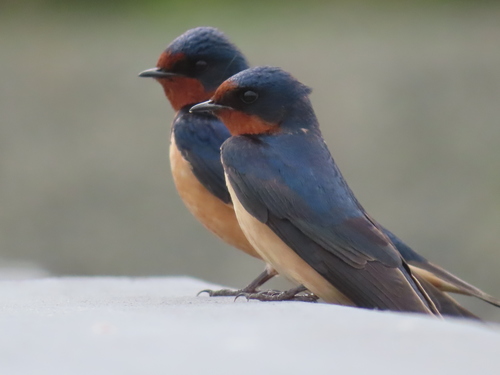 Golondrina Común
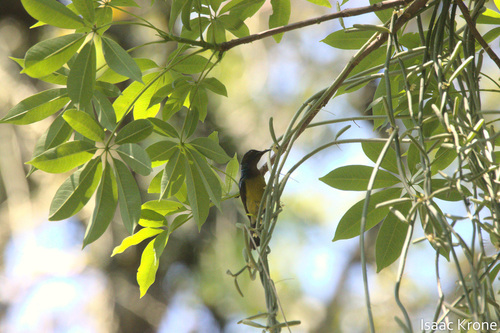 Suimanga Gorjipardo
En breve
La marca de campo más confiable es la larga cola profundamente bifurcada de la Golondrina Común con manchas blancas y una cara rufo, frente a la cola corta y cuadrada del Suimanga Gorjipardo y las partes superiores metálicas verdes/púrpuras. Las golondrinas juveniles carecen de las largas cintas de la cola, pero aún muestran una cara rufo pálido y partes inferiores blancas, mientras que los suimangas nunca tienen una cola bifurcada o cara rufo. En vuelo, la Golondrina Común muestra alas puntiagudas y una silueta aerodinámica; el suimanga es más compacto con un pico pesado y alas cortas. Si ves un pájaro con una larga cola similar a la de una golondrina y un vuelo rápido, es una Golondrina Común; un pájaro robusto, de pico grueso e iridiscente con partes inferiores amarillas es un Suimanga Gorjipardo.
Consejos de identificación
- Forma y longitud de la cola: La Golondrina Común (adulto) tiene una larga cola profundamente bifurcada con manchas blancas cerca de las puntas; incluso los juveniles tienen una cola ligeramente bifurcada. El Suimanga Gorjipardo siempre tiene una cola corta y cuadrada sin manchas blancas.
- Parte superior del ala y silueta de vuelo: La Golondrina Común muestra alas largas y puntiagudas y una forma aerodinámica y rápida. El suimanga es compacto, con alas cortas y redondeadas y un pico pesado y curvado.
- Color de la cara y la garganta: La Golondrina Común (todas las edades) muestra una frente, barbilla y garganta rufo, separadas de las partes inferiores por una banda pectoral azul. El suimanga nunca muestra una cara rufo; los machos tienen una cabeza metálica verde/púrpura, las hembras son olivas.
- Partes inferiores: La Golondrina Común tiene partes inferiores blanco sucio (adulto) o más blancas (juvenil), con una clara banda pectoral azul. El Suimanga Gorjipardo siempre es amarillo por debajo (ambos sexos), sin banda pectoral.
- Forma del pico: La Golondrina Común tiene un pico corto y ancho adecuado para atrapar insectos en el aire. El Suimanga Gorjipardo tiene un pico largo, grueso y curvado para alimentarse de néctar.
- Postura posada: La golondrina se posa erguida en alambres o ramas expuestas, a menudo en grupos. El suimanga se posa solo o en parejas, a menudo en flores, y puede flotar brevemente.
- Estilo de vuelo: El vuelo de la golondrina es rápido, acrobático y sostenido; el del suimanga es corto, directo y a menudo entre posadas.
- Dimorfismo sexual: El macho de la Golondrina Común es azul brillante por encima con largas cintas de cola; la hembra es más apagada con cintas más cortas. El macho del Suimanga Gorjipardo es iridiscente verde/púrpura por encima; la hembra es verde oliva por encima y amarilla por debajo.
- Confusión juvenil: La Golondrina Común juvenil carece de largas cintas de cola, pero aún muestra una cara rufo pálido y partes inferiores blancas. El suimanga juvenil/inmaduro es oliva por encima, amarillo por debajo, y nunca tiene una cara rufo o cola bifurcada.
- Contexto de hábitat: La golondrina se ve en campos abiertos, tierras agrícolas y cerca del agua, a menudo en alambres. El suimanga se encuentra en jardines, bordes de bosques y hábitats semiabiertos en el sudeste asiático.
- Vocalización: La golondrina emite llamadas agudas y variadas, especialmente en colonias o cuando se alarma. Las llamadas del suimanga son más suaves, de tono más alto, y se emiten desde posadas.
- Impresión de tamaño: La golondrina parece más grande y más alargada debido a la cola y las alas; el suimanga es más pequeño, más robusto y de pico grueso.
- Contexto estacional: La golondrina es migratoria en muchas regiones; el suimanga es residente en el sudeste asiático. Fuera de su rango, la identificación es casi segura.
- Trampas: Las golondrinas juveniles pueden parecer de cola más corta, pero aún muestran una cara rufo y partes inferiores blancas. Las hembras de suimanga pueden parecer apagadas, pero siempre carecen de la cola y el patrón facial de la golondrina.
- Comportamiento en grupo: Las golondrinas a menudo se ven en bandadas, especialmente en vuelo o en alambres; los suimangas son más solitarios o en parejas, generalmente cerca de flores.
Tamaño
La Golondrina Común es más grande y más esbelta, midiendo 17–19 cm de longitud (incluidas las cintas de la cola), con una envergadura de 32–34.5 cm y un peso de 16–22 g [wikipedia]. El Suimanga Gorjipardo es mucho más pequeño y robusto, aproximadamente 14 cm de largo y 7.4–13.5 g [wikipedia]. La larga cola y las alas de la golondrina exageran su tamaño, mientras que el suimanga parece compacto y de pico grueso.
Plumaje
- Juvenil/inmaduro: La Golondrina Común juvenil es más marrón por encima, con una cara rufo pálido y partes inferiores blancas, y carece de las largas cintas de la cola de los adultos. La cola sigue siendo ligeramente bifurcada pero mucho más corta. Los juveniles del Suimanga Gorjipardo no se describen en detalle, pero las hembras y los inmaduros son de color verde oliva por encima y amarillentos por debajo, sin cara rufo ni cola bifurcada.
- Macho adulto de Golondrina Común: Partes superiores azul acero, frente/garganta rufo, banda pectoral azul ancha, partes inferiores blanco sucio, y cola muy larga y profundamente bifurcada con manchas blancas cerca de las puntas. La hembra es similar pero más apagada y con cintas de cola más cortas.
- Macho adulto de Suimanga Gorjipardo: Partes superiores iridiscentes verdes y púrpuras, castaño en las coberturas de las alas y escápulas, brillante amarillo por debajo. La hembra es verde oliva por encima y amarillenta por debajo, careciendo de la iridiscencia del macho.
- Contraste clave: Solo la Golondrina Común tiene una cara rufo y una banda pectoral azul; solo la Golondrina Común tiene una cola bifurcada con manchas blancas. El suimanga nunca muestra estas características, mostrando en su lugar partes superiores metálicas o de color oliva y partes inferiores amarillas.
Comportamiento
La Golondrina Común se ve casi siempre en un vuelo rápido y acrobático, atrapando insectos al vuelo, a menudo sobre campos abiertos o agua, y posándose en alambres. El Suimanga Gorjipardo se ve más a menudo posado, alimentándose de néctar o fruta, y se mueve en pequeños saltos o vuelos entre flores. Las golondrinas rara vez flotan; los suimangas a menudo lo hacen brevemente en flores. El vuelo de la golondrina es rápido y directo con deslizamientos; el vuelo del suimanga es corto y ondulante.
Hábitat
La Golondrina Común se encuentra en campos abiertos, tierras agrícolas y cerca del agua, a menudo anidando en edificios o bajo aleros, y es ampliamente distribuida a nivel global. El Suimanga Gorjipardo está restringido al sudeste asiático, encontrado en hábitats semiabiertos, jardines y bordes de bosques, y no se encuentra en campos abiertos o en alambres. Ver un pájaro en un jardín urbano o en el borde de un bosque en el sudeste asiático indica un suimanga; el campo abierto o las tierras agrícolas en cualquier otro lugar favorecen a la golondrina.
Voz
La Golondrina Común emite una variedad de llamadas, incluyendo un witt o witt-witt, y un fuerte splee-plink cuando se alarma. Las llamadas de alarma incluyen un agudo siflitt para mamíferos y flitt-flitt para rapaces. Las vocalizaciones del Suimanga Gorjipardo no se describen en detalle aquí, pero los suimangas típicamente emiten llamadas rápidas y agudas. En la práctica, la Golondrina Común es más vocal en vuelo y en colonias, mientras que las llamadas del suimanga son más suaves y se emiten desde posadas.