

Motmot

Amethyst-throated Sunangel 対 トルマリンテンシハチドリ

Heliangelus amethysticollis 対 Heliangelus exortis

Amethyst-throated Sunangelとトルマリンテンシハチドリのクイズ
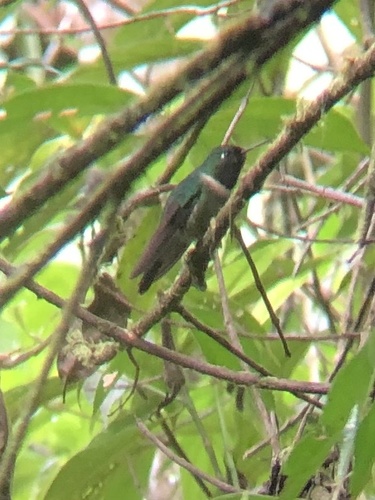
Amethyst-throated Sunangel (Heliangelus amethysticollis) Amethyst-throated Sunangel
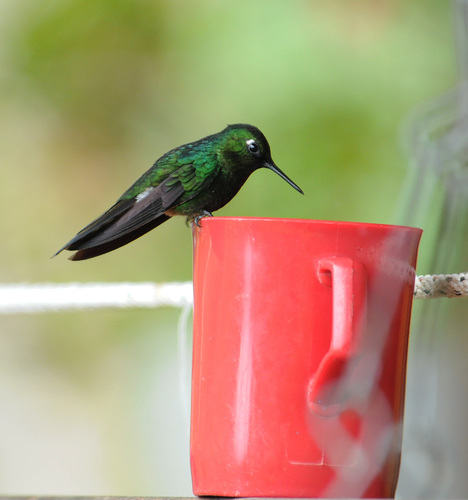
トルマリンテンシハチドリ (Heliangelus exortis) トルマリンテンシハチドリ

メディア

読み込み中…

要点

アメジスト喉テンシハチドリとトルマリンテンシハチドリを区別するには、まず喉と胸の模様に注目してください:成鳥のオスのアメジスト喉は、狭い黒い縁と広いシナモン色の帯に囲まれたバラ色のアメジスト色のゴルゲットを示し、一方トルマリンのオスは、下に緑の縁と暗い紫青色の顎を持つきらめくバラ色のゴルゲットを持っています。メスと幼鳥はより難しいですが、アメジスト喉のメスは黒い斑点のある錆色の喉を持ち、トルマリンのメスは緑または暗い斑点のある白っぽい喉を示します。両種は構造とサイズが似ていますが、前頭部の色や下部の模様の微妙な違いが役立つことがあります。地理的範囲も強力な手がかりです:アメジスト喉はエクアドルの南に見られ、トルマリンはコロンビアとエクアドルに限られています。

識別のコツ

  1. Adult male gorget and breast pattern: アメジスト喉は狭い黒い縁と広いシナモン色の帯のあるバラ色のアメジスト色のゴルゲットを示し、トルマリンは緑の縁と暗い紫青色の顎を持つきらめくバラ色のゴルゲットを持っています。これは成鳥のオスにとって最も信頼できる特徴です。
  2. Frontlet color: 両種は成鳥のオスにおいて嘴の上に緑の前頭部を持っていますが、トルマリンのメスはこの特徴を全く持っていません。一部のアメジスト喉の亜種はトルコ石色またはより淡い前頭部を持っており、特定の地域で役立つかもしれません。
  3. Female/immature throat: アメジスト喉のメスは黒い斑点のある錆色の喉を持ち、トルマリンのメスは緑または暗い斑点のある白っぽい喉を持ち、時にはいくつかのバラ色の羽毛を持っています。幼鳥のトルマリンのオスは白い顎を持ち、アメジスト喉とは異なります。
  4. Underparts: アメジスト喉は通常、緑の円盤のあるバフまたはバフグレーの腹部を示し、亜種によってはより淡いまたは灰色がかることがあります。トルマリンは丸い緑の斑点のある暗い灰色の下部を持っています。
  5. Tail pattern: 両者は青銅色の緑の中央尾羽と青黒または黒っぽい外尾羽を持ち、確実に区別することはできませんが、よく見た場合の微妙な違いを確認してください。
  6. Bill: 両者は似た長さのまっすぐな黒っぽい嘴を持ち、嘴の形は区別要因ではありません。
  7. Size and structure: 両者はコンパクトで短い嘴のハチドリで、長さは10〜11 cmです。サイズは区別には役立ちません。
  8. Juvenile/immature confusion: 幼鳥のアメジスト喉はメスに似ており(錆色の喉、黒い斑点)、幼鳥のトルマリンのオスは白い顎を持ち、これは二種の中でユニークです。
  9. Subspecies variation: アメジスト喉はゴルゲットと腹部の色に地域的な変異を示し(例:赤紫色のゴルゲット、いくつかの形態で白っぽいまたはバフ色の腹部)、トルマリンはより一貫していますが、オスのゴルゲットの下の緑の縁を常に確認してください。
  10. Geographic range: コロンビアではトルマリンを期待し、ボリビアまたはペルーではアメジスト喉のみが見られます。エクアドルでは両者が可能性があるため、羽毛に注意を払ってください。
  11. Habitat: 両者は湿ったアンデスの森林の縁や内部を好み、国によって強い区別要因とはなりません。
  12. Behavior: 両者は花が豊富なテリトリーを守り、昆虫を捕らえます。行動において、これら二者の間で信頼できる診断的な違いはありません。
  13. Perched vs. flight views: ほとんどのフィールドマーク(ゴルゲット、前頭部、喉、腹部)は止まっている鳥で最もよく見られ、飛行中の視点では下部の色や尾の模様が見えるかもしれませんが、区別にはあまり信頼できません。
  14. Sexing pitfalls: メスと幼鳥は成鳥のオスよりもはるかに区別が難しく、喉の色と模様に注目し、範囲をバックアップとして使用してください。
  15. When in doubt: ゴルゲットや喉がよく見えない場合、エクアドルにいる場合は、すべての可能な特徴に注意を払い、位置や標高を考慮してIDを絞り込むのを助けてください。

大きさ

両種はサイズが非常に近く、アメジスト喉テンシハチドリは約10 cmで、体重は3.8〜7.7 g、トルマリンテンシハチドリは10〜11 cmで、3.5〜8.5 g(オス)または4〜5.2 g(メス)です。現場では、サイズはこれら二者の間で信頼できる区別要因ではなく、重なりがほぼ完全で、両者ともコンパクトで短い嘴のハチドリの構造を持っています。

羽色

成鳥のオスにとって、ゴルゲットと胸の模様が最も診断的です:アメジスト喉のオスは狭い黒い縁と広いシナモン色の帯のあるバラ色のアメジスト色のゴルゲットを持ち、トルマリンのオスは緑の縁と暗い紫青色の顎を持つきらめくバラ色のゴルゲットを示します。嘴の上の前頭部はアメジスト喉では明るい緑色(時にはトルコ石色または亜種ではより淡い色)で、トルマリンではきらめく緑色ですが、トルマリンのメスはこの前頭部を全く持っていません。アメジスト喉のメスは黒い斑点のある錆色の喉を持ち、トルマリンのメスは緑から暗い斑点のある白っぽい喉を持ち、時にはいくつかのバラ色の羽毛を持っています。幼鳥のトルマリンのオスは白い顎を持ち、アメジスト喉の幼鳥はメスに似ています。両種は青銅色の緑の中央尾羽と青黒または黒っぽい外尾羽、緑の斑点のある下部を持っていますが、アメジスト喉はしばしば緑の円盤のあるバフまたはバフグレーの腹部を示し、トルマリンの下部は丸い緑の斑点のある暗い灰色です。

行動

両種は花が豊富なテリトリーを守り、昆虫を捕らえながら蜜を摂取します。アメジスト喉は最大6 mの高さで餌を摂ることで知られ、森林の縁や内部でカバーに近く留まり、しばしば止まり木から昆虫を捕らえます。これら二者の間でフィールドで信頼できる診断的な行動の違いは観察されていません。

生息環境

アメジスト喉テンシハチドリはボリビアからペルーを経てエクアドルまで分布し、トルマリンテンシハチドリはコロンビアとエクアドルに制限されています。両者は湿ったアンデスの森林とその縁に生息していますが、コロンビアで見られた場合はほぼ確実にトルマリンであり、ボリビアまたはペルーではアメジスト喉です。エクアドルでは両者が発生する可能性があるため、羽毛に注意を払う必要があります。

より良い説明を送る

比較と同じ項目を使ってください。文章はすぐに公開されます。

To separate Amethyst-throated Sunangel from Tourmaline Sunangel, focus first on the throat and breast pattern: adult male Amethyst-throated shows a rosy amethyst gorget bordered by a narrow black and then a broad cinnamon band, while Tourmaline males have a glittering rosy pink gorget with a green border below and a dark purple-blue chin. Females and immatures are trickier, but Amethyst-throated females have a rusty throat with black flecks, while Tourmaline females show a whitish throat with green or dusky speckles. Both species have similar structure and size, but subtle differences in frontlet color and underpart pattern can help. Geographic range is also a strong clue: Amethyst-throated is found south of Ecuador, while Tourmaline is limited to Colombia and Ecuador.

  1. Adult male gorget and breast pattern: Amethyst-throated shows a rosy amethyst gorget with a narrow black border and a broad cinnamon band below; Tourmaline has a glittering rosy pink gorget with a green border and a dark purple-blue chin. This is the most reliable mark for adult males.
  2. Frontlet color: Both species have a green frontlet above the bill in adult males, but Tourmaline females lack this feature entirely. Some Amethyst-throated subspecies have turquoise or paler frontlets, which may help in certain regions.
  3. Female/immature throat: Female Amethyst-throated has a rusty throat with black flecks; Tourmaline female has a whitish throat with green/dusky speckles and sometimes a few rosy feathers. Juvenile Tourmaline males have a white chin, unlike Amethyst-throated.
  4. Underparts: Amethyst-throated typically shows a buff or buffy grayish belly with green discs, sometimes paler or grayer in subspecies; Tourmaline has dusky gray underparts with round green spots.
  5. Tail pattern: Both have bronze-green central tail feathers and blue-black or blackish outers, not reliably separating, but check for subtle differences if seen well.
  6. Bill: Both have straight, blackish bills of similar length; bill shape is not a separator.
  7. Size and structure: Both are compact, short-billed hummingbirds, 10–11 cm long; size is not useful for separation.
  8. Juvenile/immature confusion: Immature Amethyst-throated resembles the female (rusty throat, black flecks); juvenile Tourmaline males have a white chin, which is unique among the two.
  9. Subspecies variation: Amethyst-throated shows regional variation in gorget and belly color (e.g., reddish purple gorget, whitish or buffy belly in some forms); Tourmaline is more consistent but always check for the green border below the gorget in males.
  10. Geographic range: In Colombia, expect Tourmaline; in Bolivia or Peru, only Amethyst-throated. In Ecuador, both are possible, so rely on plumage.
  11. Habitat: Both prefer humid Andean forest edges and interiors, so habitat is not a strong separator except by country.
  12. Behavior: Both defend nectar-rich territories and hawk insects from perches; behavior is not diagnostic.
  13. Perched vs. flight views: Most field marks (gorget, frontlet, throat, belly) are best seen on perched birds; flight views may show underpart color and tail pattern but are less reliable for separation.
  14. Sexing pitfalls: Females and immatures are much harder to separate than adult males; focus on throat color and pattern, and use range as a backup.
  15. When in doubt: If you cannot see the gorget or throat well, and are in Ecuador, note all possible features and consider location and elevation to help narrow the ID.

Both species are very close in size, with Amethyst-throated Sunangel measuring about 10 cm and weighing 3.8–7.7 g, and Tourmaline Sunangel at 10–11 cm and 3.5–8.5 g (males) or 4–5.2 g (females). In the field, size is not a reliable separator between these two, as overlap is nearly complete and both have a compact, short-billed hummingbird structure.

For adult males, the gorget and breast pattern are most diagnostic: Amethyst-throated males have a rosy amethyst gorget with a narrow black border and a broad cinnamon band below, while Tourmaline males show a glittering rosy pink gorget with a green border and a dark purple-blue chin. The frontlet above the bill is bright green in Amethyst-throated (sometimes turquoise-green or paler in subspecies), and glittering green in Tourmaline, but Tourmaline females lack this frontlet entirely. Female Amethyst-throated have a rusty throat with black flecks, while Tourmaline females have a whitish throat with green to dusky speckles and sometimes a few rosy feathers. Juvenile Tourmaline males have a white chin, while Amethyst-throated immatures resemble the female. Both species have bronze-green central tail feathers and blue-black or blackish outer tail feathers, and green-spotted underparts, but Amethyst-throated often shows a buff or buffy grayish belly with green discs, while Tourmaline underparts are dusky gray with round green spots.

Both species feed on nectar and insects, defending territories rich in flowers. Amethyst-throated is noted for feeding at heights up to 6 m and staying close to cover at forest edge or interior, often hawking insects from a perch. There is no behavioral difference noted that is reliably diagnostic in the field between these two.

Amethyst-throated Sunangel ranges from Bolivia through Peru to Ecuador, while Tourmaline Sunangel is restricted to Colombia and Ecuador. Both inhabit humid Andean forests and edges, but if seen in Colombia, it is almost certainly Tourmaline; in Bolivia or Peru, it is Amethyst-throated. In Ecuador, both may occur, so careful attention to plumage is needed.

変更を破棄しますか?

保存していない編集があります。今離れると失われます。

Amethyst-throated Sunangel · トルマリンテンシハチドリ · 苦手な鳥