

Amethyst-throated Sunangel vs Tourmaline Sunangel
Heliangelus amethysticollis contro Heliangelus exortis
Fai un quiz con Amethyst-throated Sunangel e Tourmaline Sunangel
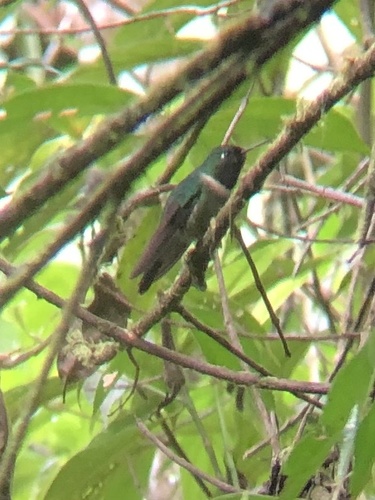 Amethyst-throated Sunangel
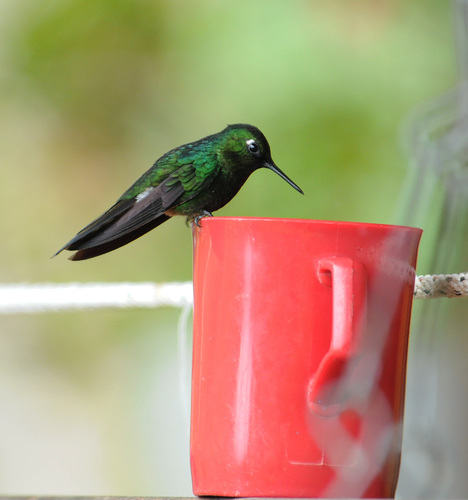 Tourmaline Sunangel
In breve
Per separare Amethyst-throated Sunangel da Tourmaline Sunangel, concentrati prima sul modello della gola e del petto: il maschio adulto di Amethyst-throated mostra un gorget amethystico rosato bordato da una stretta fascia nera e poi da una larga fascia cannella, mentre i maschi di Tourmaline hanno un gorget rosa brillante con un bordo verde sotto e un mento blu-viola scuro. Le femmine e gli immaturi sono più difficili da distinguere, ma le femmine di Amethyst-throated hanno una gola arrugginita con macchie nere, mentre le femmine di Tourmaline mostrano una gola biancastra con macchie verdi o scure. Entrambe le specie hanno una struttura e una dimensione simili, ma sottili differenze nel colore del frontlet e nel modello delle parti inferiori possono aiutare. L'areale geografico è anche un forte indizio: Amethyst-throated si trova a sud dell'Ecuador, mentre Tourmaline è limitato alla Colombia e all'Ecuador.
Consigli di identificazione
- Adult male gorget and breast pattern: Amethyst-throated mostra un gorget amethystico rosato con un bordo nero stretto e una larga fascia cannella sotto; Tourmaline ha un gorget rosa brillante con un bordo verde e un mento blu-viola scuro. Questo è il segno più affidabile per i maschi adulti.
- Frontlet color: Entrambe le specie hanno un frontlet verde sopra il becco nei maschi adulti, ma le femmine di Tourmaline mancano completamente di questa caratteristica. Alcune sottospecie di Amethyst-throated hanno frontlet turchesi o più chiari, che possono aiutare in alcune regioni.
- Female/immature throat: La femmina di Amethyst-throated ha una gola arrugginita con macchie nere; la femmina di Tourmaline ha una gola biancastra con macchie verdi/scure e a volte alcune piume rosate. I maschi immaturi di Tourmaline hanno un mento bianco, a differenza di Amethyst-throated.
- Underparts: Amethyst-throated mostra tipicamente un ventre color crema o grigio chiaro con dischi verdi, a volte più chiaro o grigio in alcune sottospecie; Tourmaline ha parti inferiori grigio scuro con macchie verdi rotonde.
- Tail pattern: Entrambi hanno piume centrali della coda verde bronzo e blu-nerastre o nerastre esterne, non separabili in modo affidabile, ma controlla per differenze sottili se viste bene.
- Bill: Entrambi hanno becchi dritti e nerastre di lunghezza simile; la forma del becco non è un separatore.
- Size and structure: Entrambi sono colibrì compatti e dal becco corto, lunghi 10–11 cm; la dimensione non è utile per la separazione.
- Juvenile/immature confusion: L'immaturo di Amethyst-throated assomiglia alla femmina (gola arrugginita, macchie nere); i maschi immaturi di Tourmaline hanno un mento bianco, che è unico tra i due.
- Subspecies variation: Amethyst-throated mostra variazione regionale nel colore del gorget e del ventre (ad es., gorget viola rossastro, ventre bianco o color crema in alcune forme); Tourmaline è più consistente ma controlla sempre il bordo verde sotto il gorget nei maschi.
- Geographic range: In Colombia, aspettati Tourmaline; in Bolivia o Perù, solo Amethyst-throated. In Ecuador, entrambe sono possibili, quindi fai affidamento sul piumaggio.
- Habitat: Entrambi preferiscono i margini e gli interni delle foreste andine umide, quindi l'habitat non è un forte separatore tranne che per paese.
- Behavior: Entrambi difendono territori ricchi di nettare e cacciano insetti da posatoi; il comportamento non è diagnostico.
- Perched vs. flight views: La maggior parte dei segni sul campo (gorget, frontlet, gola, ventre) sono meglio visti su uccelli posati; le viste in volo possono mostrare il colore delle parti inferiori e il modello della coda ma sono meno affidabili per la separazione.
- Sexing pitfalls: Le femmine e gli immaturi sono molto più difficili da separare rispetto ai maschi adulti; concentrati sul colore e sul modello della gola e usa l'areale come backup.
- When in doubt: Se non riesci a vedere bene il gorget o la gola, e sei in Ecuador, annota tutte le caratteristiche possibili e considera la posizione e l'elevazione per aiutare a restringere l'identificazione.
Taglia
Entrambe le specie sono molto simili in dimensione, con Amethyst-throated Sunangel che misura circa 10 cm e pesa 3.8–7.7 g, e Tourmaline Sunangel a 10–11 cm e 3.5–8.5 g (maschi) o 4–5.2 g (femmine). Sul campo, la dimensione non è un separatore affidabile tra questi due, poiché la sovrapposizione è quasi completa e entrambe hanno una struttura di colibrì compatta e dal becco corto.
Piumaggio
Per i maschi adulti, il gorget e il modello del petto sono i più diagnostici: i maschi di Amethyst-throated hanno un gorget amethystico rosato con un bordo nero stretto e una larga fascia cannella sotto, mentre i maschi di Tourmaline mostrano un gorget rosa brillante con un bordo verde e un mento blu-viola scuro. Il frontlet sopra il becco è di un verde brillante in Amethyst-throated (a volte turchese o più chiaro in alcune sottospecie), e verde brillante in Tourmaline, ma le femmine di Tourmaline mancano completamente di questo frontlet. Le femmine di Amethyst-throated hanno una gola arrugginita con macchie nere, mentre le femmine di Tourmaline hanno una gola biancastra con macchie verdi a scure e a volte alcune piume rosate. I maschi immaturi di Tourmaline hanno un mento bianco, mentre gli immaturi di Amethyst-throated assomigliano alla femmina. Entrambe le specie hanno piume centrali della coda verde bronzo e piume esterne blu-nerastre o nerastre, e parti inferiori macchiate di verde, ma Amethyst-throated mostra spesso un ventre color crema o grigio chiaro con dischi verdi, mentre le parti inferiori di Tourmaline sono grigio scuro con macchie verdi rotonde.
Comportamento
Entrambe le specie si nutrono di nettare e insetti, difendendo territori ricchi di fiori. Amethyst-throated è noto per nutrirsi a altezze fino a 6 m e rimanere vicino alla copertura ai margini o all'interno della foresta, spesso cacciando insetti da un posatoio. Non ci sono differenze comportamentali notate che siano affidabilmente diagnostiche sul campo tra questi due.
Habitat
Amethyst-throated Sunangel si estende dalla Bolivia attraverso il Perù fino all'Ecuador, mentre Tourmaline Sunangel è limitato alla Colombia e all'Ecuador. Entrambi abitano foreste andine umide e margini, ma se visti in Colombia, è quasi certamente Tourmaline; in Bolivia o Perù, è Amethyst-throated. In Ecuador, entrambe le specie possono verificarsi, quindi è necessaria un'attenzione particolare al piumaggio.
Amethyst-throated Sunangel · Tourmaline Sunangel · I miei uccelli difficili