

Motmot

ノドムラサキシロメジリハチドリ 対 ミミジロサファイアハチドリ

Lampornis amethystinus 対 Basilinna leucotis

ノドムラサキシロメジリハチドリとミミジロサファイアハチドリのクイズ
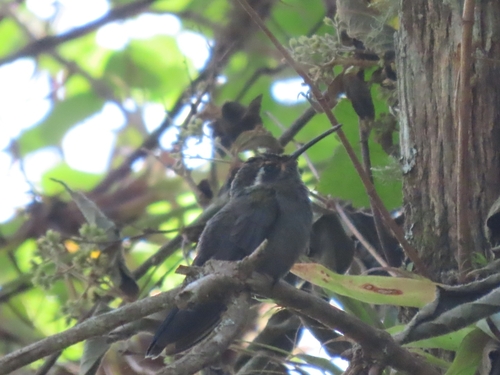
ノドムラサキシロメジリハチドリ (Lampornis amethystinus) ノドムラサキシロメジリハチドリ
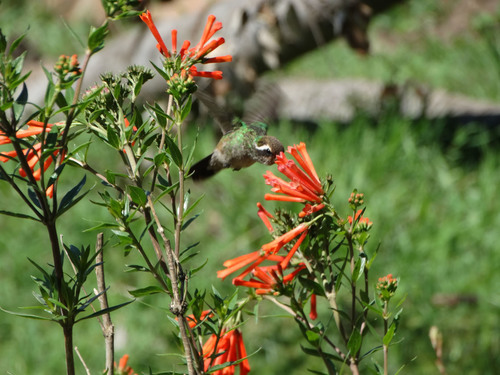
ミミジロサファイアハチドリ (Basilinna leucotis) ミミジロサファイアハチドリ

メディア

読み込み中…

要点

アメジストノドムラサキシロメジリハチドリとミミジロサファイアハチドリを区別する最も信頼できるフィールドマークは、成鳥のオスにおける喉のパッチ(ゴルゲット)の色と範囲です:ノドムラサキシロメジリハチドリは、素晴らしいバラ色から紫色のゴルゲットを示し(亜種によって異なる)、ミミジロサファイアハチドリは、金属的なエメラルドグリーンの下喉を持つ紫青色の顎と上喉を持っています。両種ともに大胆な白い眼後帯を持っていますが、ミミジロサファイアハチドリのものはより広く、特にオスではより目立ちます。くちばしの色も重要な違いです:オスのミミジロサファイアハチドリは、先端が黒い主に赤いくちばしを持ち、ノドムラサキシロメジリハチドリは、両性ともに直線的な黒いくちばしを持っています。両種の幼鳥と雌は混乱を招くことがありますが、ノドムラサキシロメジリハチドリの雌と幼鳥はシナモン色または淡い喉を示し、ミミジロサファイアハチドリの緑の斑点や単色の灰色の下部とは異なります。サイズと構造は微妙に異なり、ノドムラサキシロメジリハチドリは明らかに大きく、重く、尾は広く、わずかに分岐しています。

識別のコツ

  1. 成鳥のオスの喉の色: アメジストノドムラサキシロメジリハチドリの素晴らしいバラ色、紫色、または青色のゴルゲットを探してください(色は亜種によって異なる)、対してミミジロサファイアハチドリの紫青色の顎とエメラルドグリーンの下喉を探してください。これは良い光の中で最も信頼できるマークです。
  2. 白い眼後帯: 両種ともに目の後ろに白い帯がありますが、ミミジロサファイアハチドリではより広く、特にオスではより目立ちます。ノドムラサキシロメジリハチドリでは存在しますが、あまり目立ちません。
  3. くちばしの色: オスのミミジロサファイアハチドリは、先端が黒い主に赤いくちばしを持ち、ノドムラサキシロメジリハチドリの両性は直線的な黒いくちばしを持っています。雌のミミジロサファイアハチドリは、基部に赤またはオレンジの色がある主に黒っぽいくちばしを持っています;良い光の中で注意深く確認してください。
  4. サイズと構造: ノドムラサキシロメジリハチドリはより大きく、重厚で、広くわずかに分岐した尾を持っています。ミミジロサファイアハチドリはより小さく、軽く、より繊細に見え、尾はより段階的です。
  5. 冠と顔: オスのミミジロサファイアハチドリは金属的な紫色または青紫色の額と主に黒い顔を持ち、ノドムラサキシロメジリハチドリのオスは暗緑色の冠と暗い耳羽を持っています。雌のミミジロサファイアハチドリはくすんだ茶色の冠を持ち、ノドムラサキシロメジリハチドリの雌の緑の冠と対照的です。
  6. 上面と尾羽: ノドムラサキシロメジリハチドリのオスは青銅色の尾羽と黒っぽい上尾羽覆いを持っています;ミミジロサファイアハチドリは明るい金属的な緑から青銅色の上面を持ち、青銅色の尾と覆羽が錆色の縁取りを持っています。
  7. 下部(雌/幼鳥): 雌のノドムラサキシロメジリハチドリはシナモン色の喉とくすんだ灰色の下部を持ち、ミミジロサファイアハチドリの雌は淡い茶色がかった灰色から灰色がかった白の下部を持ち、金属的な緑の斑点があり、シナモン色のトーンは欠けています。
  8. 尾のパターン: ノドムラサキシロメジリハチドリの尾は黒で、外羽の先端が灰色でわずかに分岐しています;ミミジロサファイアハチドリの尾はより段階的で、中央の羽は青銅色の緑で、外羽は青銅色の黒で緑の先端を持っています。これは尾が扇状に広げられない限り微妙です。
  9. 幼鳥のオス: 若いノドムラサキシロメジリハチドリのオスは、いくつかのピンクの喉の羽を示すことがあります;ミミジロサファイアハチドリの幼鳥は詳細に記述されていませんが、喉にピンクやシナモン色がない可能性が高いです。
  10. 生息地の文脈: 山地の常緑樹または松-オークの森林の内部では、ノドムラサキシロメジリハチドリがより可能性が高いです;エッジ、開けた場所、または庭では、特に低い標高でミミジロサファイアハチドリが好まれます。
  11. 行動: ミミジロサファイアハチドリは、フィーダーや花のパッチでより攻撃的で領土意識が強く、他のハチドリを追いかけることがよくあります。ノドムラサキシロメジリハチドリは、ディスプレイ中に領土を守ることはありますが、通常は領土意識が低いです。
  12. ディスプレイ: ディスプレイしているのが観察された場合、ノドムラサキシロメジリハチドリのオスは、通常朝または夕方に空中でループやダイブを行います。
  13. 鳴き声: 静かで複雑なチャッター音が聞こえ、二音節のイントロがある場合、ノドムラサキシロメジリハチドリを示す可能性があります。ミミジロサファイアハチドリの鳴き声は、フィールドでの区別には特異的ではありません。
  14. 亜種の変異: ノドムラサキシロメジリハチドリの亜種(特にL. a. margaritae)は、紫色からロイヤルブルーのゴルゲットを持つことがあり、ミミジロサファイアハチドリの喉の色と重なる可能性がありますが、全体的なサイズ、くちばしの色、顔のパターンは依然としてそれらを区別します。
  15. 落とし穴: 光が悪い場合、喉の色が鈍く見えたり似ているように見えることがあります;くちばしの色、サイズ、白い眼後帯の大胆さをバックアップマークとして頼ってください。幼鳥と雌は最も混乱しやすいです—ノドムラサキシロメジリハチドリではシナモン色のトーンを探し、ミミジロサファイアハチドリでは緑の斑点を探してください。

大きさ

アメジストノドムラサキシロメジリハチドリは明らかに大きく、長さは11.5–12.5 cm、重さは5–7.8 g(オス)または5–5.8 g(雌)です [wikipedia]。対照的に、ミミジロサファイアハチドリは9–10 cmと小さく、重さは3.6 g(オス)および3.2 g(雌)です [wikipedia]。このサイズの違いは、直接比較や経験によって通常明らかであり、両方が生息する地域では特に顕著です。ノドムラサキシロメジリハチドリはまた、より重厚で頑丈に見え、ミミジロサファイアハチドリはより繊細で機敏に見えます。

羽色

行動

両種は蜜や小さな昆虫を食べますが、ミミジロサファイアハチドリは特に領土意識が強く、他の大きなハチドリに対しても餌場を守ります。アメジストノドムラサキシロメジリハチドリは通常は領土意識が低いですが、オスはディスプレイ中に領土を守ることがあります。ミミジロサファイアハチドリは、低いから中程度の高さで採餌することが多く、他の鳥の領域に素早く、秘密裏に採餌に入るのが見られることが多いです。ノドムラサキシロメジリハチドリのディスプレイには、通常朝や夕方に行われる空中のループやダイブが含まれます。

生息環境

アメジストノドムラサキシロメジリハチドリは、メキシコと中央アメリカ北部の山地の常緑樹と松-オークの森林に制限されており、通常900から3000メートルの標高に生息しています。ミミジロサファイアハチドリは、南西部のアメリカからニカラグアまでの広い範囲を持ち、エッジ、開けた場所、庭など、より多様な森林生息地で見られ、しばしば同様の標高で見られますが、時には低いこともあります。メキシコでは重複が可能ですが、ミミジロサファイアハチドリは乱れたまたはエッジの生息地でより可能性が高いです。

声

アメジストノドムラサキシロメジリハチドリの歌は、静かで複雑なチャッター音で、二音節のイントロダクションフレーズと最大九つの複雑なフレーズを持ち、両性が歌います。呼び声には持続的なブンブン音、短い急速なクリック音(領土)、および鋭い口笛(ディスプレイ)が含まれます。ミミジロサファイアハチドリの鳴き声は、ノートに詳細が記載されていないため、分離のための信頼できる診断にはなりません。

より良い説明を送る

比較と同じ項目を使ってください。文章はすぐに公開されます。

The most reliable field mark to separate Amethyst-throated Mountain-gem from White-eared Hummingbird is the color and extent of the throat patch (gorget) in adult males: the Mountain-gem shows a brilliant rosy pink to violet gorget (varying by subspecies), while the White-eared Hummingbird has a violet-blue chin and upper throat with metallic emerald green lower throat. Both species have a bold white post-ocular stripe, but the White-eared Hummingbird's is broader and more striking, especially in males. Bill color is also a key difference: male White-eared Hummingbirds have a mostly red bill with a black tip, while Mountain-gems have a straight black bill in both sexes. Juveniles and females of both species can be confusing, but the Mountain-gem female and young show a cinnamon or pale throat, not the green-spotted or plain grayish underparts of the White-eared. Size and structure are subtly different, with the Mountain-gem being noticeably larger and heavier, and having a broader, slightly forked tail.

  1. Throat color in adult males: Look for a brilliant rosy pink, violet, or blue gorget in Amethyst-throated Mountain-gem (color varies by subspecies), versus a violet-blue chin and emerald green lower throat in White-eared Hummingbird. This is the most reliable mark in good light.
  2. White post-ocular stripe: Both species have a white stripe behind the eye, but it is broader and more striking in White-eared Hummingbird, especially in males. In Mountain-gem, it is present but less bold.
  3. Bill color: Male White-eared Hummingbirds have a mostly red bill with a black tip, while both sexes of Mountain-gem have a straight black bill. Female White-eareds have a mostly blackish bill with some red or orange at the base; check carefully in good light.
  4. Size and structure: Mountain-gem is larger and bulkier, with a broader, slightly forked tail. White-eared is smaller, lighter, and appears more delicate, with a more graduated tail.
  5. Crown and face: Male White-eared Hummingbirds have a metallic violet or bluish violet forehead and a mostly black face, while Mountain-gem males have a dark green crown and dark auriculars. Female White-eareds have a dusky brown crown, contrasting with the green crown of Mountain-gem females.
  6. Upperparts and rump: Mountain-gem males have a bronze rump and blackish uppertail coverts; White-eareds have bright metallic green to bronze green upperparts with bronzy rump and covert feathers edged rusty.
  7. Underparts (females/immatures): Female Mountain-gems have a cinnamon throat and dusky gray underparts; White-eared females have pale brownish gray to grayish white underparts with metallic green spots and lack the cinnamon tones.
  8. Tail pattern: Mountain-gem's tail is black with gray tips on outer feathers and slightly forked; White-eared's tail is more graduated, with central feathers bronze green and outer feathers bronzy black with green tips. This can be subtle unless the tail is fanned.
  9. Juvenile males: Young Mountain-gem males may show a few pink throat feathers; White-eared juveniles are not well described but likely lack any pink or cinnamon in the throat.
  10. Habitat context: In montane evergreen or pine-oak forest interiors, Mountain-gem is more likely; in edges, clearings, or gardens, especially at lower elevations, White-eared is favored.
  11. Behavior: White-eared Hummingbird is more aggressive and territorial at feeders or flower patches, often chasing other hummingbirds. Mountain-gem is less territorial except during display.
  12. Display: If observed displaying, Mountain-gem males perform aerial loops and dives, usually in the morning or evening.
  13. Vocalizations: If you hear a quiet, complex chatter with a two-syllable intro, it may indicate Mountain-gem. White-eared's vocalizations are not distinctive for field separation.
  14. Subspecies variation: Be aware that Mountain-gem subspecies (especially L. a. margaritae) can have gorgets that are violet to royal blue, potentially overlapping with White-eared's throat color, but the overall size, bill color, and face pattern will still separate them.
  15. Pitfalls: In poor light, the throat colors may appear dull or similar; rely on bill color, size, and the boldness of the white post-ocular stripe as backup marks. Juveniles and females are most easily confused—look for cinnamon tones in Mountain-gem, green spotting in White-eared.

Amethyst-throated Mountain-gem is distinctly larger, measuring 11.5–12.5 cm in length and weighing 5–7.8 g (males) or 5–5.8 g (females) [wikipedia]. In contrast, White-eared Hummingbird is smaller at 9–10 cm and lighter at 3.6 g (males) and 3.2 g (females) [wikipedia]. This size difference is usually apparent in direct comparison or with experience, especially in areas where both occur. The Mountain-gem also appears bulkier and more robust, while the White-eared is daintier and more agile.

  • Juveniles/immatures: Juvenile Amethyst-throated Mountain-gems resemble females, with dusky gray underparts and a cinnamon throat (males may show a few pink throat feathers). Juvenile White-eared Hummingbirds are not described in detail, but likely resemble adult females, with pale brownish gray to grayish white underparts and metallic green spots, lacking the cinnamon tones of Mountain-gem.
  • Adult males: Amethyst-throated Mountain-gem males have a dark green crown and back, bronze rump, blackish uppertail coverts, and a brilliant rosy pink (or violet/blue in some subspecies) gorget. The breast and belly are dusky gray, undertail coverts pale buff. White-eared Hummingbird males have a metallic violet or bluish violet forehead, black face, broad white post-ocular stripe, bright metallic green to bronze green upperparts, and a violet-blue chin/upper throat with metallic emerald green lower throat. Their underparts are bronze to bronze green with a dull grayish white center.
  • Adult females: Female Mountain-gems are similar to males but with a cinnamon throat and duller overall color. Female White-eared Hummingbirds have a dusky brown crown, lack the brilliant throat, and show pale brownish gray to grayish white underparts with metallic bronze green spots. Both have a white post-ocular stripe, but it is broader and more obvious in White-eared.
  • Tail: Mountain-gem has a broad, slightly forked tail, black with gray tips on outer feathers. White-eared Hummingbird's tail is more graduated, with central feathers bronze green and outer feathers bronzy black with green tips.

Both species feed on nectar and small insects, but White-eared Hummingbird is notably territorial, defending feeding areas even against larger hummingbirds. Amethyst-throated Mountain-gem is usually not territorial, though males may defend a territory during display. White-eared Hummingbird often forages at lower to mid-levels and is more likely to be seen making quick, secretive feeding forays into other birds' territories. Mountain-gem displays include aerial loops and dives, usually in the morning and evening.

Amethyst-throated Mountain-gem is restricted to montane evergreen and pine-oak forests in Mexico and northern Central America, typically at elevations from 900 to 3,000 m. White-eared Hummingbird has a broader range, from the southwestern U.S. to Nicaragua, and is found in a wider variety of wooded habitats, including edges, clearings, and gardens, often at similar elevations but sometimes lower. Overlap is possible in Mexico, but White-eared is more likely in disturbed or edge habitats.

Amethyst-throated Mountain-gem's song is a quiet, complex chatter with a two-syllable introductory phrase and up to nine complex phrases; both sexes sing. Calls include persistent buzzing, short rapid clicks (territorial), and shrill whistles (display). White-eared Hummingbird's vocalizations are not detailed in the notes, so are not reliably diagnostic for separation.

変更を破棄しますか?

保存していない編集があります。今離れると失われます。

ノドムラサキシロメジリハチドリ · ミミジロサファイアハチドリ · 苦手な鳥