

Amethyst-throated Mountain-gem vs White-eared Hummingbird
Lampornis amethystinus contro Basilinna leucotis
Fai un quiz con Amethyst-throated Mountain-gem e White-eared Hummingbird
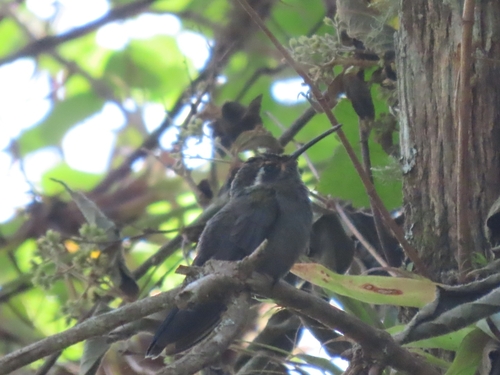 Amethyst-throated Mountain-gem
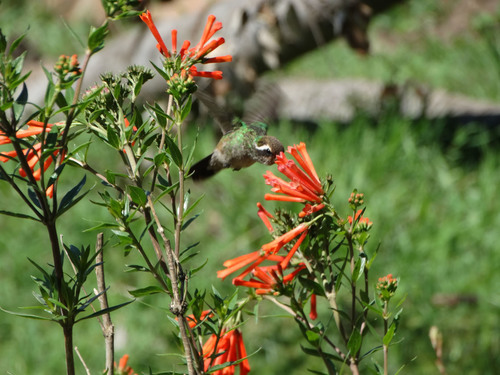 White-eared Hummingbird
In breve
Il segno di campo più affidabile per separare l'Amethyst-throated Mountain-gem dal White-eared Hummingbird è il colore e l'estensione della macchia della gola (gorget) nei maschi adulti: il Mountain-gem mostra un gorget rosa brillante a violetto (variabile a seconda della sottospecie), mentre il White-eared Hummingbird ha un mento e una parte superiore della gola violetto-blu con una parte inferiore della gola verde smeraldo metallico. Entrambe le specie hanno una striscia post-oculare bianca audace, ma quella del White-eared Hummingbird è più ampia e più appariscente, specialmente nei maschi. Anche il colore del becco è una differenza chiave: i maschi di White-eared Hummingbird hanno un becco per lo più rosso con una punta nera, mentre i Mountain-gem hanno un becco nero dritto in entrambi i sessi. I giovani e le femmine di entrambe le specie possono essere confusi, ma la femmina di Mountain-gem e i giovani mostrano una gola cannella o pallida, non le parti inferiori grigie semplici o macchiate di verde del White-eared. La dimensione e la struttura sono sottilmente diverse, con il Mountain-gem che è notevolmente più grande e pesante, e ha una coda più ampia e leggermente biforcuta.
Consigli di identificazione
- Colore della gola nei maschi adulti: Cerca un gorget rosa brillante, violetto o blu nell'Amethyst-throated Mountain-gem (il colore varia a seconda della sottospecie), rispetto a un mento violetto-blu e una parte inferiore della gola verde smeraldo nel White-eared Hummingbird. Questo è il segno più affidabile in buona luce.
- Striscia post-oculare bianca: Entrambe le specie hanno una striscia bianca dietro l'occhio, ma è più ampia e più appariscente nel White-eared Hummingbird, specialmente nei maschi. Nel Mountain-gem, è presente ma meno audace.
- Colore del becco: I maschi di White-eared Hummingbird hanno un becco per lo più rosso con una punta nera, mentre entrambi i sessi di Mountain-gem hanno un becco nero dritto. Le femmine di White-eared hanno un becco per lo più nerastro con un po' di rosso o arancione alla base; controlla attentamente in buona luce.
- Dimensione e struttura: Il Mountain-gem è più grande e massiccio, con una coda più ampia e leggermente biforcuta. Il White-eared è più piccolo, più leggero e appare più delicato, con una coda più graduata.
- Corona e faccia: I maschi di White-eared Hummingbird hanno una fronte metallica violetto o bluastro e una faccia per lo più nera, mentre i maschi di Mountain-gem hanno una corona verde scuro e auricolari scuri. Le femmine di White-eared hanno una corona marrone scura, in contrasto con la corona verde delle femmine di Mountain-gem.
- Parte superiore e groppa: I maschi di Mountain-gem hanno una groppa bronzo e copritail neri; i White-eared hanno parti superiori di un verde metallico brillante a verde bronzo con groppa bronzata e piume coperte bordate di ruggine.
- Parti inferiori (femmine/immaturi): Le femmine di Mountain-gem hanno una gola cannella e parti inferiori grigie scure; le femmine di White-eared hanno parti inferiori grigio chiaro marrone chiaro a grigio bianco con macchie verdi metalliche e mancano delle tonalità cannella.
- Schema della coda: La coda del Mountain-gem è nera con punte grigie sulle piume esterne e leggermente biforcuta; la coda del White-eared è più graduata, con piume centrali verde bronzo e piume esterne nere bronzate con punte verdi. Questo può essere sottile a meno che la coda non sia aperta.
- Maschi giovani: I giovani maschi di Mountain-gem possono mostrare alcune piume rosa nella gola; i giovani di White-eared non sono ben descritti ma probabilmente mancano di qualsiasi rosa o cannella nella gola.
- Contesto dell'habitat: Negli interni delle foreste sempreverdi montane o di pino e quercia, è più probabile trovare il Mountain-gem; nei bordi, nelle radure o nei giardini, specialmente a basse altitudini, è favorito il White-eared.
- Comportamento: Il White-eared Hummingbird è più aggressivo e territoriale nei mangiatoie o nei gruppi di fiori, spesso inseguendo altri colibrì. Il Mountain-gem è meno territoriale tranne durante le esibizioni.
- Esibizione: Se osservato mentre si esibisce, i maschi di Mountain-gem eseguono anelli e tuffi aerei, di solito al mattino o alla sera.
- Vocalizzazioni: Se senti un chiacchiericcio silenzioso e complesso con un'introduzione di due sillabe, potrebbe indicare il Mountain-gem. Le vocalizzazioni del White-eared non sono distintive per la separazione sul campo.
- Variazione delle sottospecie: Tieni presente che le sottospecie di Mountain-gem (soprattutto L. a. margaritae) possono avere gorget che vanno dal violetto al blu reale, potenzialmente sovrapponendosi al colore della gola del White-eared, ma la dimensione complessiva, il colore del becco e il modello del viso li separeranno comunque.
- Trappole: In scarsa luce, i colori della gola possono apparire opachi o simili; fai affidamento sul colore del becco, sulla dimensione e sull'audacia della striscia post-oculare bianca come segni di backup. I giovani e le femmine sono i più facilmente confusi: cerca tonalità cannella nel Mountain-gem, macchie verdi nel White-eared.
Taglia
L'Amethyst-throated Mountain-gem è decisamente più grande, misurando 11.5–12.5 cm di lunghezza e pesando 5–7.8 g (maschi) o 5–5.8 g (femmine) [wikipedia]. Al contrario, il White-eared Hummingbird è più piccolo a 9–10 cm e più leggero a 3.6 g (maschi) e 3.2 g (femmine) [wikipedia]. Questa differenza di dimensione è solitamente evidente in un confronto diretto o con esperienza, specialmente in aree dove entrambe le specie si trovano. Il Mountain-gem appare anche più massiccio e robusto, mentre il White-eared è più delicato e agile.
Piumaggio
- Giovani/immaturi: I giovani Amethyst-throated Mountain-gem somigliano alle femmine, con parti inferiori grigie scure e una gola cannella (i maschi possono mostrare alcune piume rosa nella gola). I giovani White-eared Hummingbird non sono descritti in dettaglio, ma probabilmente somigliano alle femmine adulte, con parti inferiori grigio chiaro marrone chiaro a grigio bianco e macchie verdi metalliche, mancando delle tonalità cannella del Mountain-gem.
- Maschi adulti: I maschi di Amethyst-throated Mountain-gem hanno una corona e un dorso verde scuro, una groppa bronzo, copritail neri e un gorget rosa brillante (o violetto/blu in alcune sottospecie). Il petto e la pancia sono grigi scuri, le copritail inferiori sono di un buff pallido. I maschi di White-eared Hummingbird hanno una fronte metallica violetto o bluastro, faccia nera, ampia striscia post-oculare bianca, parti superiori di un verde metallico brillante a verde bronzo, e un mento/gola violetto-blu con una parte inferiore della gola verde smeraldo metallico. Le loro parti inferiori sono bronzo a verde bronzo con un centro grigio chiaro opaco.
- Femmine adulte: Le femmine di Mountain-gem sono simili ai maschi ma con una gola cannella e un colore complessivo più opaco. Le femmine di White-eared Hummingbird hanno una corona marrone scura, mancano del gorget brillante e mostrano parti inferiori grigio chiaro marrone chiaro a grigio bianco con macchie verdi bronzo metallico. Entrambe hanno una striscia post-oculare bianca, ma è più ampia e più evidente nel White-eared.
- Coda: Il Mountain-gem ha una coda ampia, leggermente biforcuta, nera con punte grigie sulle piume esterne. La coda del White-eared Hummingbird è più graduata, con piume centrali verde bronzo e piume esterne nere bronzate con punte verdi.
Comportamento
Entrambe le specie si nutrono di nettare e piccoli insetti, ma il White-eared Hummingbird è notevolmente territoriale, difendendo le aree di alimentazione anche contro colibrì più grandi. L'Amethyst-throated Mountain-gem di solito non è territoriale, anche se i maschi possono difendere un territorio durante l'esibizione. Il White-eared Hummingbird spesso cerca cibo a livelli più bassi o medi e è più probabile che venga visto mentre fa rapide e segrete incursioni alimentari nei territori di altri uccelli. Le esibizioni del Mountain-gem includono anelli e tuffi aerei, di solito al mattino e alla sera.
Habitat
L'Amethyst-throated Mountain-gem è ristretto a foreste sempreverdi montane e di pino e quercia in Messico e nel nord dell'America Centrale, tipicamente a elevate altitudini da 900 a 3.000 m. Il White-eared Hummingbird ha un'area di distribuzione più ampia, dal sud-ovest degli Stati Uniti al Nicaragua, ed è trovato in una varietà più ampia di habitat boschivi, inclusi bordi, radure e giardini, spesso a elevate altitudini simili ma a volte più basse. È possibile una sovrapposizione in Messico, ma il White-eared è più probabile negli habitat disturbati o di bordo.
Voce
Il canto dell'Amethyst-throated Mountain-gem è un chiacchiericcio silenzioso e complesso con una frase introduttiva di due sillabe e fino a nove frasi complesse; entrambi i sessi cantano. Le chiamate includono un ronzio persistente, brevi clic rapidi (territoriali) e fischi acuti (esibizione). Le vocalizzazioni del White-eared Hummingbird non sono dettagliate nelle note, quindi non sono affidabilmente diagnostiche per la separazione.
Amethyst-throated Mountain-gem · White-eared Hummingbird · I miei uccelli difficili