

Motmot

オオミドリヤマセミ 対 ミドリヤマセミ

Chloroceryle amazona 対 Chloroceryle americana

オオミドリヤマセミとミドリヤマセミのクイズ
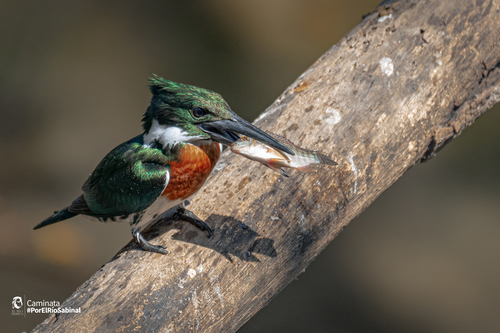
オオミドリヤマセミ (Chloroceryle amazona) オオミドリヤマセミ
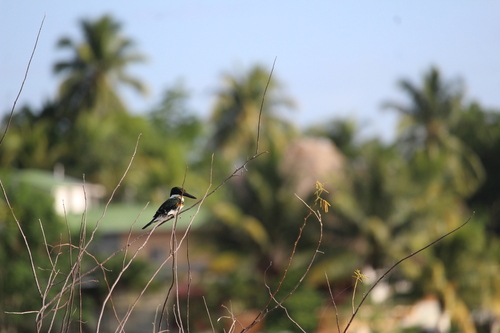
ミドリヤマセミ (Chloroceryle americana) ミドリヤマセミ

メディア

読み込み中…

要点

アマゾンヤマセミとミドリヤマセミの最も信頼できるフィールドマークはサイズです:アマゾンははるかに大きく、ずんぐりしており、重いくちばしとボサボサの冠羽を持っていますが、ミドリは明らかに小さく、スリムで、冠羽がありません。幼鳥のアマゾンヤマセミは上翼の覆羽に淡い斑点とくちばしの基部に大きな黄色の斑点を示しますが、ミドリヤマセミの幼鳥にはこれがありません。成鳥では、アマゾンの両性ともに広範な暗緑色の上面と白い襟を持っていますが、オスは豊かな赤褐色の胸を持ち(メスは胸に緑があります)、ミドリヤマセミのオスは赤褐色の胸を持ち、メスは緑の斑点のある帯を持っています。飛行中、ミドリヤマセミは尾により多くの白を示し、特に飛行羽に目立つ白い斑点がありますが、アマゾンではそれほど明白ではありません。両種は範囲と生息地が重なりますが、アマゾンはより大きく、開けた水路を好みます。

識別のコツ

  1. Size is the first check: アマゾンヤマセミはミドリヤマセミよりもはるかに大きく、重いです。もしその鳥が小さくて繊細に見えるなら、ほぼ確実にミドリです。
  2. Crested vs. smooth crown: アマゾンはボサボサの冠羽を持ち、止まっているときや警戒しているときに明らかです。一方、ミドリヤマセミは冠羽がなく、滑らかな頭のプロファイルを持っています。
  3. Bill size and shape: アマゾンのくちばしは長く、深く、重いです。特に横から見ると明らかです。ミドリのくちばしは相対的に小さく、細いです。
  4. Juvenile marks: 幼鳥のアマゾンヤマセミは上翼の覆羽に淡い斑点とくちばしの基部に大きな黄色の斑点を示します。ミドリヤマセミの幼鳥は頭部と翼の覆羽に小さな淡い斑点がありますが、黄色のくちばしの斑点はありません。
  5. Adult male breast color: 両方のオスは胸に赤褐色がありますが、アマゾンの方が豊かで、より広い面積を覆っています。ミドリの赤褐色はより限られており、白い腹部と緑の斑点のある側面があります。
  6. Adult female breast pattern: メスのアマゾンは胸に緑が広がり、ほぼ中央で出会います。メスのミドリは白い喉と胸を持ち、胸と上腹部に緑の斑点の帯があります(固体の緑ではありません)。
  7. White spotting in wings and tail: ミドリヤマセミは飛行羽に2列以上の白い斑点を示し、尾にも多くの白があります。特に飛行中に目立ちます。アマゾンはこのような広範な白いマークを持っていません。
  8. Tail pattern in flight: ミドリヤマセミの尾は外側の羽に多くの白を示しますが、アマゾンの尾はほとんどが緑で、白は少ないです。
  9. Perch height and behavior: アマゾンヤマセミはしばしば高く、より開けた場所に止まりますが、ミドリヤマセミは水に近い低い止まり木を好み、より活発で、しばしば尾を振ります。
  10. Habitat context: 大きく開けた川や湖ではアマゾンを期待し、小さな流れ、溝、または茂みの水域ではミドリを期待します。両者は重なることがありますが、文脈が役立ちます。
  11. Voice: アマゾンの鳴き声は大きく、粗く、カエルのようです。ミドリの声はあまり詳しく記述されていませんが、一般的に柔らかく、粗くありません。経験がない限り注意して使用してください。
  12. Sexing pitfalls: メスのアマゾンは赤褐色がないため、メスのミドリと混同されることがありますが、固体の緑の胸の帯(アマゾン)と緑の斑点のある帯(ミドリ)が重要です。
  13. Subtle differences in green shade: アマゾンの上面は暗い青銅色の緑です。ミドリの上面は変動がありますが、一般的により淡く、斑点があります。
  14. Bill base color in juveniles: 幼鳥のアマゾンだけがくちばしの基部に大きな黄色の斑点を示します。ミドリはこれを示しません。
  15. Direct comparison: 両種が存在する場合、サイズ、構造、翼/尾のパターンの違いは明白です。単独の場合は、サイズ、冠羽、翼/尾の斑点に頼ります。

大きさ

アマゾンヤマセミはミドリヤマセミ(約20 cm、32–40 g)よりもはるかに大きい(約30 cm、98–140 g)です。サイズの差はフィールドで明らかで、アマゾンはほぼ2倍の重さで、ずんぐりしています。アマゾンのくちばしも相対的に長く、重く、全体的な構造はより頑丈です。一方、ミドリヤマセミは比較的華奢で繊細です。一緒に見た場合、違いは際立っていますが、単独で見てもアマゾンのサイズはアメリカヤマセミに近く、ミドリは他の北アメリカのヤマセミよりもはるかに小さいです。

羽色

行動

両種は止まり木から潜水して狩りをしますが、アマゾンヤマセミはしばしば高く、目立つ止まり木を使用し、潜水する前に時折ホバリングすることがあります。ミドリヤマセミは水に近い低い止まり木を使用する傾向があり、尾を振ったり、水辺を沿って短い飛行をするのがより一般的です。アマゾンの大きなサイズは、しばしばより慎重で、より活発な小さくて落ち着きのないミドリヤマセミよりも静かに見えることを意味します。

生息環境

両種はネオトロピクスの川、流れ、湖、ラグーンに生息しており、しばしば範囲が重なります。しかし、アマゾンヤマセミはより大きな川と開けた水を好み、しばしば森林の岸があり、密な森林や小さな流れではあまり見られません。ミドリヤマセミはより柔軟で、小さな流れ、池、さらには溝を利用し、より狭い茂みや森林の水域で見られる可能性が高いです。重なりのある地域では、アマゾンは通常、より広い水域におり、ミドリはより狭いまたはより植生のある水路にいます。

声

アマゾンヤマセミは大きく、粗く、繰り返しの「テク」または「クレク」という音を出し、時にはスタッカートの「クリット」やカエルのような呼び声、加速する一連の明確な「シーシーシー...スースースー」という音を出します。ミドリヤマセミの鳴き声はここでは詳しく記述されていませんが、両種はヤマセミに典型的な鋭く、ガラガラとした呼び声を出すことができます。実際には、アマゾンの呼び声はより大きく、粗いですが、経験がない限り声だけでは診断できないことがあります。

より良い説明を送る

比較と同じ項目を使ってください。文章はすぐに公開されます。

The most reliable field mark between Amazon Kingfisher and Green Kingfisher is size: Amazon is much larger and bulkier, with a heavier bill and a shaggy crest, while Green is noticeably smaller, slimmer, and lacks a crest. Juvenile Amazon Kingfishers show buff spots on the upperwing coverts and a large yellow patch at the bill base, which is absent in Green Kingfisher juveniles. In adults, both sexes of Amazon have extensive dark green upperparts and a white collar, but males have a rich rufous breast (females have green across the breast), while Green Kingfisher males have a rufous breast and females a green-speckled band. In flight, Green Kingfisher shows more white in the tail and prominent white spotting on the wings, especially on the flight feathers, which is less obvious in Amazon. Both species overlap in range and habitat, but Amazon prefers larger, more open waterways.

  1. Size is the first check: Amazon Kingfisher is much larger and heavier than Green Kingfisher. If the bird looks small and delicate, it's almost certainly Green.
  2. Crested vs. smooth crown: Amazon has a shaggy crest, often obvious when perched or alert, while Green Kingfisher lacks a crest and has a smooth head profile.
  3. Bill size and shape: Amazon's bill is longer, deeper, and heavier, especially obvious in profile. Green's bill is proportionately smaller and finer.
  4. Juvenile marks: Juvenile Amazon Kingfishers show buff spots on the upperwing coverts and a large yellow patch at the bill base. Green Kingfisher juveniles have small buff spots on the crown and wing coverts but lack the yellow bill patch.
  5. Adult male breast color: Both males have rufous on the breast, but Amazon's is richer and covers more area, with dark green sides. Green's rufous is more limited, with white underparts and green-spotted flanks.
  6. Adult female breast pattern: Female Amazon has green extending across the breast, nearly meeting in the middle; female Green has a white throat and breast with a band of green speckles (not solid green) across the breast and upper belly.
  7. White spotting in wings and tail: Green Kingfisher shows two or more rows of white spots on the flight feathers and much white in the tail, especially visible in flight. Amazon lacks these extensive white marks.
  8. Tail pattern in flight: Green Kingfisher's tail shows much white on the outer feathers; Amazon's tail is mostly green with little white.
  9. Perch height and behavior: Amazon Kingfisher often perches higher and more openly, while Green Kingfisher prefers low, close-to-water perches and is more active, often flicking its tail.
  10. Habitat context: On large, open rivers or lakes, expect Amazon; on small streams, ditches, or brushy water, expect Green. Both can overlap, but context helps.
  11. Voice: Amazon's calls are loud, harsh, and frog-like; Green's are less well described but generally softer and less harsh. Use with caution unless experienced.
  12. Sexing pitfalls: Female Amazon can be confused with female Green due to lack of rufous, but the solid green breast band (Amazon) vs. green-speckled band (Green) is key.
  13. Subtle differences in green shade: Amazon's upperparts are dark bronzy green; Green's are variable but generally paler and more spotted.
  14. Bill base color in juveniles: Only juvenile Amazon shows a large yellow patch at the base of the bill; Green never shows this.
  15. Direct comparison: If both species are present, the size, structure, and wing/tail pattern differences are unmistakable. Alone, rely on size, crest, and wing/tail spotting.

Amazon Kingfisher is significantly larger (about 30 cm long, 98–140 g) than Green Kingfisher (about 20 cm, 32–40 g). The size gap is obvious in the field, with Amazon appearing almost twice as heavy and much bulkier. Amazon's bill is also proportionately longer and heavier, and its overall structure is more robust, while Green Kingfisher is petite and delicate by comparison. If seen together, the difference is striking, but even alone, Amazon's size is closer to a Belted Kingfisher, while Green is much smaller than any other North American kingfisher.

  • Juveniles: Juvenile Amazon Kingfishers have buff spots on the upperwing coverts and a large yellow patch at the base of the bill—these are not present in Green Kingfisher juveniles. Juvenile Green Kingfishers resemble adult females but are duller, with small buff spots on the crown and wing coverts.

  • Adults: Both species have green upperparts and a white collar, but Amazon Kingfisher's green is darker and more bronzy, and it has a shaggy crest. Adult male Amazon has a rich rufous breast with dark green sides and a white belly with green streaks; adult female Amazon lacks the rufous, with green extending across the breast. Green Kingfisher males also have a rufous breast, but their underparts are otherwise white with green spots on the flanks; females have a green-speckled band across the breast and a buffy throat and breast.

  • Flight/wing pattern: Green Kingfisher shows two or more rows of white spots on the flight feathers and much white in the tail, especially visible in flight. Amazon Kingfisher does not show such extensive white in the wings or tail.

  • Bill: Both have black bills with some pale at the base, but Amazon's is heavier and longer, with a yellowish base to the mandible in juveniles.

Both species hunt by diving from a perch, but Amazon Kingfisher often uses higher, more prominent perches and may occasionally hover before diving. Green Kingfisher tends to use lower perches closer to the water and is more likely to be seen flicking its tail or making short flights along the water's edge. Amazon's larger size means it often appears more deliberate and less active than the smaller, more restless Green Kingfisher.

Both species are found along rivers, streams, lakes, and lagoons in the Neotropics, often overlapping in range. However, Amazon Kingfisher prefers larger rivers and more open water, often with wooded banks, and is less likely in dense forest or small streams. Green Kingfisher is more flexible, using smaller streams, ponds, and even ditches, and is more likely to be found in tighter, brushy or forested waterways. In areas of overlap, Amazon is usually on broader water, Green on narrower or more vegetated channels.

Amazon Kingfisher gives loud, harsh, repeated 'tek' or 'klek' notes, sometimes a staccato 'chrit' or frog-like calls, and an accelerating series of clear 'see see see...su su su su' notes. Green Kingfisher's vocalizations are not detailed here, but both species can give sharp, rattling calls typical of kingfishers. In practice, Amazon's calls are louder and harsher, but voice alone is not always diagnostic without experience.

変更を破棄しますか?

保存していない編集があります。今離れると失われます。

オオミドリヤマセミ · ミドリヤマセミ · 苦手な鳥