

Amazon Kingfisher vs Green Kingfisher
Chloroceryle amazona contro Chloroceryle americana
Fai un quiz con Amazon Kingfisher e Green Kingfisher
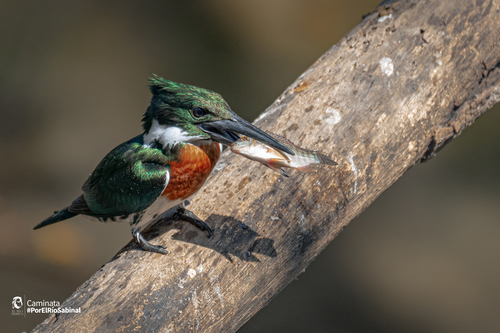 Amazon Kingfisher
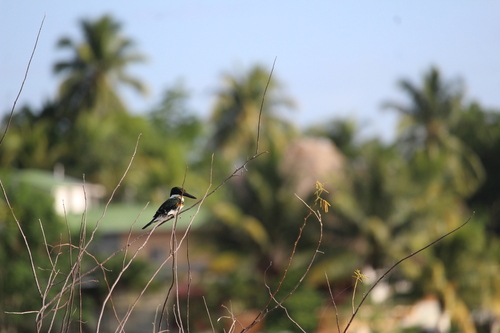 Green Kingfisher
In breve
Il segno distintivo più affidabile tra Amazon Kingfisher e Green Kingfisher è la dimensione: Amazon è molto più grande e robusto, con un becco più pesante e una cresta disordinata, mentre Green è notevolmente più piccolo, snello e privo di cresta. I giovani Amazon Kingfishers mostrano macchie color crema sulle copritrici delle ali superiori e una grande macchia gialla alla base del becco, che è assente nei giovani Green Kingfisher. Negli adulti, entrambi i sessi di Amazon hanno ampie parti superiori di un verde scuro e un collare bianco, ma i maschi hanno un ricco petto ruggine (le femmine hanno verde sul petto), mentre i maschi di Green Kingfisher hanno un petto ruggine e le femmine una banda maculata di verde. In volo, il Green Kingfisher mostra più bianco nella coda e macchie bianche prominenti sulle ali, specialmente sulle penne di volo, che sono meno evidenti in Amazon. Entrambe le specie si sovrappongono in distribuzione e habitat, ma Amazon preferisce corsi d'acqua più grandi e aperti.
Consigli di identificazione
- La dimensione è il primo controllo: Amazon Kingfisher è molto più grande e pesante di Green Kingfisher. Se l'uccello sembra piccolo e delicato, è quasi certamente Green.
- Cresta vs. corona liscia: Amazon ha una cresta disordinata, spesso evidente quando è posato o all'erta, mentre Green Kingfisher è privo di cresta e ha un profilo della testa liscio.
- Dimensione e forma del becco: Il becco di Amazon è più lungo, più profondo e più pesante, specialmente evidente di profilo. Il becco di Green è proporzionalmente più piccolo e più fine.
- Segni giovanili: I giovani Amazon Kingfishers mostrano macchie color crema sulle copritrici delle ali superiori e una grande macchia gialla alla base del becco. I giovani Green Kingfisher hanno piccole macchie color crema sulla corona e sulle copritrici delle ali, ma mancano della macchia gialla sul becco.
- Colore del petto del maschio adulto: Entrambi i maschi hanno ruggine sul petto, ma quello di Amazon è più ricco e copre una maggiore area, con lati di un verde scuro. La ruggine di Green è più limitata, con parti inferiori bianche e fianchi maculati di verde.
- Schema del petto della femmina adulta: La femmina di Amazon ha verde che si estende attraverso il petto, quasi incontrandosi nel mezzo; la femmina di Green ha una gola e un petto bianchi con una banda di macchie verdi (non verde solido) attraverso il petto e la parte superiore dell'addome.
- Macchie bianche nelle ali e nella coda: Il Green Kingfisher mostra due o più file di macchie bianche sulle penne di volo e molto bianco nella coda, specialmente visibile in volo. Amazon non presenta queste ampie macchie bianche.
- Schema della coda in volo: La coda del Green Kingfisher mostra molto bianco sulle penne esterne; la coda di Amazon è per lo più verde con poco bianco.
- Altezza e comportamento di posato: Amazon Kingfisher spesso si posa più in alto e più apertamente, mentre il Green Kingfisher preferisce posatoi bassi, vicini all'acqua ed è più attivo, spesso muovendo la coda.
- Contesto dell'habitat: In grandi fiumi o laghi aperti, aspettati Amazon; in piccoli corsi d'acqua, fossati o acque cespugliose, aspettati Green. Entrambi possono sovrapporsi, ma il contesto aiuta.
- Voce: I richiami di Amazon sono forti, aspri e simili a quelli delle rane; quelli di Green sono meno ben descritti ma generalmente più morbidi e meno aspri. Usare con cautela a meno che non si sia esperti.
- Trappole per il sesso: La femmina di Amazon può essere confusa con la femmina di Green a causa della mancanza di ruggine, ma la banda di petto verde solido (Amazon) contro la banda maculata di verde (Green) è fondamentale.
- Differenze sottili nella tonalità di verde: Le parti superiori di Amazon sono di un verde bronzo scuro; quelle di Green sono variabili ma generalmente più chiare e più maculate.
- Colore della base del becco nei giovani: Solo il giovane Amazon mostra una grande macchia gialla alla base del becco; Green non mostra mai questo.
- Confronto diretto: Se entrambe le specie sono presenti, le differenze di dimensione, struttura e schema delle ali/coda sono inconfondibili. Da solo, fare affidamento su dimensione, cresta e macchie delle ali/coda.
Taglia
Amazon Kingfisher è significativamente più grande (circa 30 cm di lunghezza, 98–140 g) rispetto a Green Kingfisher (circa 20 cm, 32–40 g). Il divario di dimensione è evidente sul campo, con Amazon che appare quasi il doppio più pesante e molto più robusto. Il becco di Amazon è anche proporzionalmente più lungo e pesante, e la sua struttura complessiva è più robusta, mentre il Green Kingfisher è piccolo e delicato in confronto. Se visti insieme, la differenza è sorprendente, ma anche da solo, la dimensione di Amazon è più vicina a quella di un Belted Kingfisher, mentre Green è molto più piccolo di qualsiasi altro martin pescatore nordamericano.
Piumaggio
-
Giovani: I giovani Amazon Kingfishers hanno macchie color crema sulle copritrici delle ali superiori e una grande macchia gialla alla base del becco—queste non sono presenti nei giovani Green Kingfisher. I giovani Green Kingfisher assomigliano alle femmine adulte ma sono più opachi, con piccole macchie color crema sulla corona e sulle copritrici delle ali.
-
Adulti: Entrambe le specie hanno parti superiori verdi e un collare bianco, ma il verde di Amazon Kingfisher è più scuro e più bronzato, e ha una cresta disordinata. Il maschio adulto di Amazon ha un ricco petto ruggine con lati di un verde scuro e un ventre bianco con striature verdi; la femmina adulta di Amazon manca della ruggine, con verde che si estende attraverso il petto. I maschi di Green Kingfisher hanno anche un petto ruggine, ma le loro parti inferiori sono altrimenti bianche con macchie verdi sui fianchi; le femmine hanno una banda maculata di verde attraverso il petto e una gola e un petto color crema.
-
Schema di volo/ali: Il Green Kingfisher mostra due o più file di macchie bianche sulle penne di volo e molto bianco nella coda, specialmente visibile in volo. Amazon Kingfisher non mostra un bianco così esteso nelle ali o nella coda.
-
Becco: Entrambi hanno becchi neri con alcune parti chiare alla base, ma quello di Amazon è più pesante e più lungo, con una base giallastra della mandibola nei giovani.
Comportamento
Entrambe le specie cacciano tuffandosi da un posatoio, ma Amazon Kingfisher spesso utilizza posatoi più alti e prominenti e può occasionalmente librarsi prima di tuffarsi. Il Green Kingfisher tende a utilizzare posatoi più bassi, più vicini all'acqua ed è più probabile essere visto muovere la coda o fare brevi voli lungo il bordo dell'acqua. La maggiore dimensione di Amazon significa che spesso appare più deliberato e meno attivo rispetto al più piccolo e inquieto Green Kingfisher.
Habitat
Entrambe le specie si trovano lungo fiumi, corsi d'acqua, laghi e lagune nei Neotropici, spesso sovrapponendosi in distribuzione. Tuttavia, Amazon Kingfisher preferisce fiumi più grandi e acque più aperte, spesso con sponde boschive, ed è meno probabile trovarlo in foreste dense o piccoli corsi d'acqua. Il Green Kingfisher è più flessibile, utilizzando corsi d'acqua più piccoli, stagni e persino fossati, ed è più probabile trovarlo in acque più strette, cespugliose o boschive. Nelle aree di sovrapposizione, Amazon è solitamente su acque più ampie, Green su canali più stretti o più vegetati.
Voce
Amazon Kingfisher emette note forti, aspre e ripetute 'tek' o 'klek', a volte un 'chrit' staccato o richiami simili a quelli delle rane, e una serie accelerante di chiare note 'see see see...su su su su'. Le vocalizzazioni del Green Kingfisher non sono dettagliate qui, ma entrambe le specie possono emettere richiami acuti e rattling tipici dei martin pescatori. In pratica, i richiami di Amazon sono più forti e aspri, ma la voce da sola non è sempre diagnostica senza esperienza.
Amazon Kingfisher · Green Kingfisher · I miei uccelli difficili