

Yellow-olive Flatbill vs Yellow-bellied Tyrannulet
Tolmomyias sulphurescens contro Ornithion semiflavum
Fai un quiz con Yellow-olive Flatbill e Yellow-bellied Tyrannulet
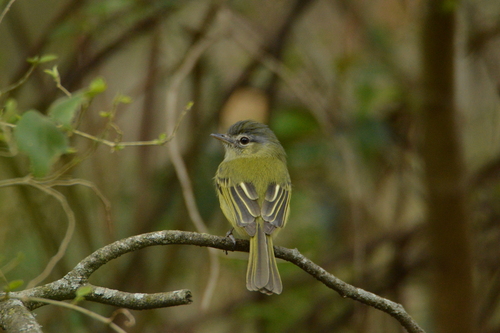 Yellow-olive Flatbill
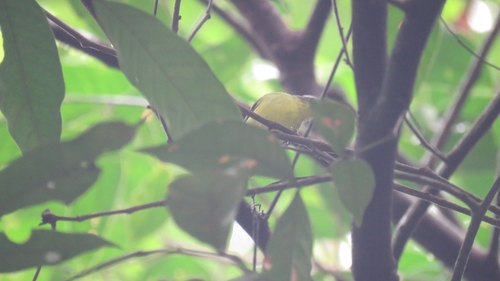 Yellow-bellied Tyrannulet
In breve
Il segno distintivo più affidabile è la dimensione e la struttura: il Yellow-olive Flatbill è molto più grande e pesante con un becco largo e piatto, mentre il Yellow-bellied Tyrannulet è piccolo e delicato con un becco corto e appuntito. Entrambe le specie hanno parti superiori di colore verde oliva e parti inferiori gialle, ma il Flatbill mostra una corona oliva più scura e due barre alari giallastre, mentre il Tyrannulet ha una corona grigio ardesia con un supercilium e una fronte bianchi netti. I giovani di entrambe le specie sono più chiari sotto, ma la piccola dimensione e il becco affilato del Tyrannulet sono sempre distintivi. Se vedi un piccolo catturatore di insetti con una forte sopracciglia bianca e proporzioni minute, è il Tyrannulet; un uccello più grande, con un becco spesso e un pattern facciale più sobrio è il Flatbill.
Consigli di identificazione
- La dimensione è il separatore più veloce: Se l'uccello è piccolo (appena più grande di un kinglet), è il Yellow-bellied Tyrannulet. Se è visibilmente più grande, avvicinandosi alla dimensione di un piccolo vireo o di un grande warbler, è il Yellow-olive Flatbill. Questo vale per tutte le età e stagioni.
- Forma e dimensione del becco: Il Flatbill ha un becco largo, piatto e a forma di pala (soprattutto evidente in profilo o di fronte). Il becco del Tyrannulet è corto, sottile e appuntito, mai piatto o largo. Il colore del becco è nero in entrambi, ma la mandibola del Flatbill può essere grigia chiara o rosata.
- Pattern facciale: Il Tyrannulet mostra un forte supercilium e una fronte bianchi (quasi una 'sopracciglia bianca'), in contrasto con una corona grigio ardesia. Il viso del Flatbill è più semplice, con solo una sottile banda bianca sopra le lore e un sottile anello oculare bianco; la corona è oliva o oliva grigiastro, non nettamente distinta dal viso.
- Barre alari: Il Flatbill ha due barre alari giallastre-olive formate da bordi sulle copritrici alari, visibili quando è posato. Il Tyrannulet non ha barre alari distinte; le sue ali sono di un semplice oliva scuro con poco contrasto.
- Colore della corona: La corona del Flatbill è di un oliva scuro (a volte grigiastro in alcune sottospecie), che si fonde con la nuca. La corona del Tyrannulet è grigio ardesia, in netto contrasto con la fronte e il supercilium bianchi.
- Parti inferiori: Entrambi hanno ventri gialli brillanti, ma il petto e i fianchi del Flatbill sono di un oliva verdastro grigiastro, mentre il giallo del Tyrannulet è più esteso e uniforme, con solo deboli striature olive sul petto e sui fianchi.
- Colore dell'iride: L'iride del Flatbill è variabile (da marrone chiaro a grigio chiaro o anche grigiastro in alcune sottospecie), mentre quella del Tyrannulet è costantemente marrone. Questo è sottile e raramente diagnostico sul campo.
- Differenze nei giovani: I giovani del Flatbill hanno un anello oculare spezzato e un'iride scura; i giovani del Tyrannulet hanno una corona e parti superiori di colore marrone, e un giallo più chiaro sotto. Entrambi sono più chiari degli adulti, ma la piccola dimensione e il contrasto facciale del Tyrannulet rimangono.
- Coda: La coda del Flatbill è marrone scuro con bordi color crema; la coda del Tyrannulet è di un oliva scuro, che si abbina alle ali. La forma della coda non è un forte separatore.
- Colore delle gambe: Entrambi hanno gambe e piedi grigi o grigio scuro; non utili per la separazione.
- Comportamento: Il Tyrannulet è molto più attivo, svolazzando e librandosi tra il fogliame; il Flatbill è più robusto e si posa più deliberatamente.
- Habitat: L'overlap è esteso in America Centrale; non fare affidamento solo sull'habitat.
- Distribuzione geografica: Se visto in Sud America (fuori da Panama/Colombia), è quasi certamente il Flatbill. In Messico e America Centrale, entrambi sono presenti.
- Sesso e stagione: Entrambi i sessi sembrano simili tutto l'anno in entrambe le specie; nessun cambiamento stagionale del piumaggio.
- Trappole: Non confondere il sottile anello oculare bianco e la banda sopra le lore del Flatbill per un vero supercilium; solo il Tyrannulet ha una netta sopracciglia bianca. Le barre alari sono presenti solo nel Flatbill. Controlla sempre prima la forma e la dimensione del becco se hai dubbi.
Taglia
Il Yellow-olive Flatbill è significativamente più grande: 12.5–14 cm di lunghezza e 14.5–15.2 g di peso. Il Yellow-bellied Tyrannulet è molto più piccolo, con soli 8–9 cm e 7–8 g. Il Flatbill appare robusto e pesante, mentre il Tyrannulet è visibilmente minuto e delicato. In un confronto diretto, il Flatbill ha quasi il doppio della massa e un terzo in più di lunghezza. Questa differenza di dimensione è ovvia sul campo se entrambi sono visti insieme o con specie di riferimento familiari.
Piumaggio
- Giovani: Entrambe le specie hanno parti inferiori più chiare da giovani. I giovani del Flatbill hanno un anello oculare spezzato e un'iride scura, mentre i giovani del Tyrannulet mostrano una sfumatura marrone sulla corona e sulle parti superiori, e un giallo ancora più chiaro sotto.
- Adulti: Gli adulti del Flatbill hanno una corona e una nuca di un oliva scuro (a volte grigiastro, a seconda della sottospecie), un sottile anello oculare bianco e due barre alari giallastre-olive. Il viso è relativamente semplice tranne che per una sottile banda bianca sopra le lore. Le parti inferiori sono di un oliva grigiastro sul petto, giallo brillante sul ventre. Gli adulti del Tyrannulet hanno una corona grigio ardesia con una striking fronte bianca, lore e supercilium, dando un forte effetto di 'sopracciglia'. Le loro parti superiori sono di un oliva brillante, ali e coda di un oliva scuro, e parti inferiori gialle brillanti con deboli striature olive sul petto e sui fianchi. Il Tyrannulet non ha le barre alari del Flatbill e ha un pattern facciale molto più contrastante.
- Pattern alare in volo: Non sono descritti pattern distintivi per le ali superiori dei giovani o immaturi (come triangoli o segni a W) per nessuna delle due specie; entrambe hanno ali abbastanza semplici con bordi sottili, ma le barre alari del Flatbill sono più evidenti quando è posato.
Comportamento
Entrambi sono catturatori di insetti attivi nel canopeo o nei margini, ma la piccola dimensione e i rapidi movimenti a scatti del Tyrannulet lo fanno apparire più irrequieto ed energetico. Il Flatbill è più robusto e tende a posarsi più deliberatamente, spesso lanciandosi da un posatoio prominente. Il comportamento del Tyrannulet è spesso descritto come svolazzante e librante tra il fogliame, mentre il Flatbill è più propenso a rimanere fermo per intervalli più lunghi. In volo, la forma piccola e compatta del Tyrannulet è distintiva rispetto alle ali più ampie e al peso maggiore del Flatbill.
Habitat
Entrambe le specie si sovrappongono ampiamente in America Centrale e negli habitat di margine, ma il Yellow-olive Flatbill ha un'area di distribuzione molto più ampia, trovandosi dal Messico attraverso tutta l'America Centrale, Trinidad e quasi tutta l'America del Sud tranne il Cile. Il Yellow-bellied Tyrannulet è limitato all'America Centrale e al sud del Messico. Entrambi preferiscono i margini forestali, la vegetazione secondaria e i boschi aperti, quindi l'habitat da solo non è diagnostico all'interno della zona di sovrapposizione.
Yellow-olive Flatbill · Yellow-bellied Tyrannulet · I miei uccelli difficili